


How Boarding Schools in Pune Ensure Student Safety? | MIT Gurukul
Discover how boarding schools in Pune ensure student safety, well-being, and pastoral care. Explore MIT Gurukul’s supportive campus. Apply now!
Top IB Schools in Pune: Which Ones Stand Out? – MIT Gurukul
Learn what sets IB Residential Schools in Pune apart. Explore boarding facilities, IB curriculum, holistic development, admissions, and campus life.
Leading IB Schools in Pune for Quality Education – MIT Gurukul
Discover the leading IB Schools in Pune offering the International Baccalaureate Curriculum. Compare academics, admissions, facilities, and student outcomes.
Which Are the Best International Schools in Pune? – MIT Gurukul
Explore the best international schools in Pune. Compare curricula, facilities, admissions, fees, and learning environments to find the right school for your child.
How Do International Primary Schools in Pune Support the Social and Emotional Development of Young Learners?
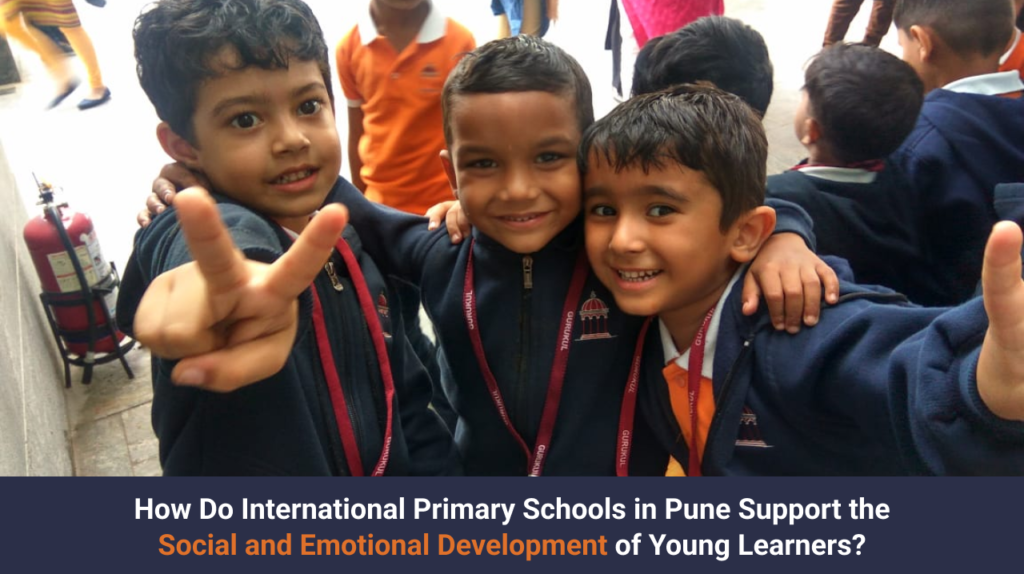
Think about the skills your child will truly need to navigate the world, not just in school, but in life. The ability to express how they feel, work alongside others, bounce back from setbacks, and connect with people meaningfully. These are the skills that shape confident, capable human beings. Today’s parents understand this. That is why international primary schools in Pune are drawing so much attention. These schools actively nurture emotional intelligence, communication, empathy, and resilience, alongside strong academics. Children who feel secure and understood are children who learn better, too. Young learners today need collaboration, adaptability, and resilience to thrive in a rapidly changing world. And the good news is, the right school environment can build all of this from the very start. What Is Social and Emotional Development in Early Childhood? Social and emotional development (SEL) in early childhood refers to a set of foundational abilities every child builds from their earliest years: A child’s ability to understand and manage emotions effectively Building healthy relationships with peers, teachers, and family members Developing self-confidence, empathy, communication, and teamwork Practising problem-solving, decision-making, and conflict-resolution skills Laying the groundwork for academic success and overall well-being These skills need to be deliberately nurtured through the right learning environment, which is precisely where international schools make a real difference. How Do International Primary Schools in Pune Encourage Social and Emotional Learning? Schools following globally recognised frameworks like the IB (International Baccalaureate) embed SEL into everyday learning, naturally and consistently. Inquiry-Based and Collaborative Learning: Children work on group projects and discussions that build real communication and teamwork skills. They learn to listen, negotiate, and share ideas with confidence. Student-Centred Classrooms: Teachers pay close attention to each child’s emotional and developmental needs. Active participation is encouraged, and no child is left feeling invisible. Safe and Inclusive Learning Environments: International schools in Pune build spaces where every child feels respected, valued, and comfortable expressing themselves freely. Focus on Emotional Intelligence: Young learners are guided to name their emotions, manage their feelings, and show empathy towards others. This is taught as deliberately as maths or literacy. Play-Based and Experiential Learning: Through storytelling, role-play, art, and outdoor activities, children express their inner worlds and develop social skills in natural, joyful ways. How Do International Primary Schools Compare with Traditional Schooling in Supporting Emotional Development? Parameter International Primary Schools Traditional Schooling Other School Systems Learning Environment Student-centric and interactive Teacher-led Mixed approach Emotional Development Strong focus on SEL Limited emphasis Moderate Communication Skills Encouraged through collaboration Less interactive Balanced Classroom Culture Inclusive and supportive Structured and formal Moderate Assessment Style Observation and continuous feedback Exams and tests Mixed Why Is Social and Emotional Development Important for Young Learners? Early Childhood Shapes Emotional Growth 85% of brain development before age 6. India’s NEP 2020 recognises that over 85% of a child’s brain development occurs before age six, making the early years the most critical window for building emotional development in early childhood. What children learn in these years shapes their confidence and social behaviour for life. Impact on Academic Performance A survey of 55 schools across two Indian states found that 85% of children who received structured SEL showed improvement in social and emotional skills, while classroom curiosity, participation, and collaboration also rose sharply, directly boosting academic performance. This shows that mental health and wellbeing in schools and academic results go hand in hand. Development of Future-Ready Skills Global employers consistently rank communication, collaboration, empathy, and adaptability among the most essential workforce skills. Children who build these early carry a real advantage into every stage of life. Mental and Emotional Well-Being Children who learn to manage emotions from a young age are better equipped to handle stress, peer interactions, and challenges. Mental health and wellbeing in schools begins in the primary years, and those foundations stay with a child for life. Frequently Asked Questions What is social and emotional learning (SEL) in primary education? SEL in primary education refers to the process through which children develop self-awareness, empathy, emotional regulation, communication, and relationship skills. In international schools, these are taught through daily activities, collaborative projects, and reflective practices. How do international primary schools in Pune help children build confidence? Through student-centred classrooms, inclusive environments, and regular opportunities to present, collaborate, and lead, children gradually build a secure sense of self. Being heard and valued in school makes a significant difference. Why is emotional development important in early childhood? Emotional development in early childhood forms the foundation for how children handle relationships, learning challenges, and stress throughout life. Strong early emotional foundations lead to better academic outcomes and greater resilience. How does the IB Primary Years Programme support social skills? The IB PYP uses inquiry-based learning, transdisciplinary projects, and learner profiles that include attributes like being caring, open-minded, and principled. These naturally build social skills and emotional intelligence through every subject and every interaction. At MIT Gurukul, we believe that nurturing the whole child is the very heart of education. Our IB framework, experienced educators, and vibrant residential community come together to support every young learner’s academic, social, and emotional growth. If you are looking for international primary schools in Pune that genuinely invest in who your child is becoming, we would love to welcome you.
What Are the Top Primary Schools in Pune With Strong Extracurricular Programs?
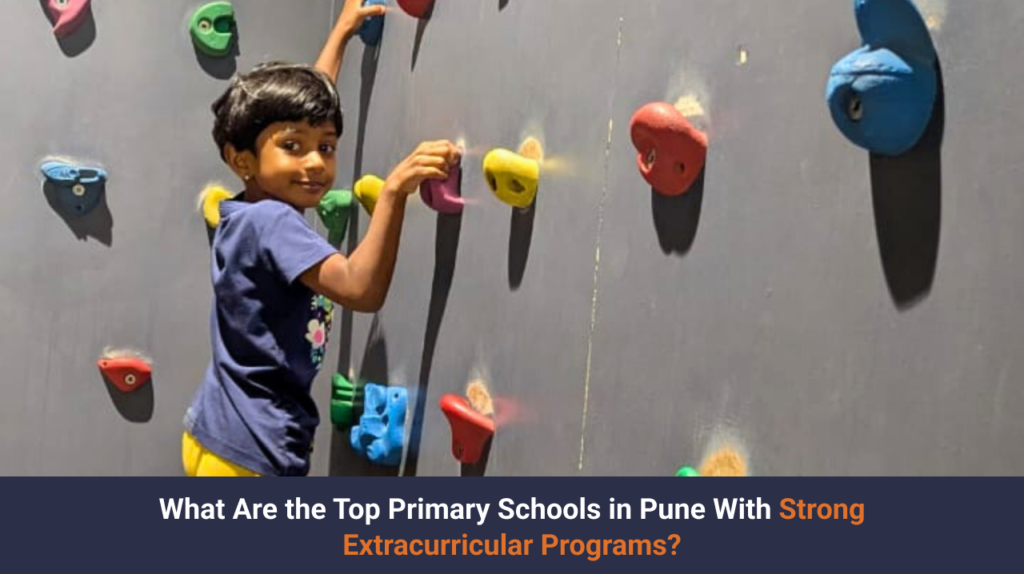
If you are a parent searching for the right primary school in Pune, you are probably thinking about a lot more than textbooks and test scores. You want a school where your child grows, discovers their passions, makes friends, and learns to navigate the world with confidence. Today’s most thoughtful parents look for schools that nurture creativity, leadership, sportsmanship, communication, and emotional well-being alongside academic excellence. Pune has evolved into a city with a rich education landscape, and many leading schools now offer strong extracurricular ecosystems spanning sports, arts, music, dance, robotics, theatre, and leadership activities. Extracurricular participation helps children build confidence, teamwork, discipline, and critical thinking from an early age. If you are comparing options and want your child to get a truly well-rounded education, this guide is for you. Why Are Extracurricular Activities Important in Primary Education? Supports Overall Child Development: Activities beyond academics improve social, emotional, physical, and creative growth simultaneously. A child who paints, plays football, and acts in a school play is developing far more dimensions than one who only studies. Builds Confidence and Communication Skills: Participation in debates, performances, and competitions enhances self-expression. Children learn to articulate their thoughts, manage nerves, and speak with clarity. Encourages Teamwork and Leadership: Sports and collaborative projects teach responsibility and cooperation. These are life skills that no textbook can fully deliver. Helps Discover Talents Early: Children get opportunities to explore music, art, dance, coding, and athletics before they are locked into academic tracks. Early exposure can shape a lifetime. Improves Academic Performance: Studies show that balanced co-curricular activities in schools positively impact concentration and learning outcomes. A study conducted in Lucknow, Uttar Pradesh, published in the International Journal of Sociology and Anthropology Research found that all six types of extracurricular activities, including sports, dance, and music, significantly improved student performance in both government and private schools. What Features Should You Look for in Primary Schools With Strong Extracurricular Programs? When evaluating schools, look for these clear markers of a genuinely strong extracurricular culture: Dedicated sports infrastructure and trained coaches Music, dance, theatre, and visual arts programmes STEM, robotics, and innovation clubs Opportunities for public speaking and leadership development Inter-school competitions and cultural events A holistic curriculum that integrates academics with co-curricular learning These features separate schools that simply list activities on a brochure from schools that build them into daily student life. How Does the Comparison Look Across Different School Types in Pune? Parameter Schools With Strong Extracurricular Programmes Traditional Academic-Focused Schools International Primary Schools Pune Learning Approach Holistic and activity-based Primarily academic-focused Inquiry and experiential learning Sports Exposure Extensive Moderate Strong Arts & Creativity High emphasis Limited Strong STEM Activities Robotics, coding, innovation labs Basic exposure Advanced integration Student Confidence Building Strong focus Moderate Strong When looking for the best primary schools in Pune, this table makes clear that schools with a genuine extracurricular commitment produce more well-rounded, confident learners. How Do Extracurricular Programmes Benefit Children in the Early Years? Improved Academic Performance Research consistently shows a positive link between extracurricular involvement and academic results. India’s NEP 2020 has explicitly called for no rigid separation between curricular and extracurricular activities, recognising this connection at the highest policy level. Better Emotional Development Participation in arts and sports builds emotional resilience and social confidence. Children who perform on stage, lead a team, or create something original develop a stronger sense of self and learn to handle both success and setbacks with maturity. Higher Physical Fitness Levels This matters urgently. According to the WHO Physical Activity Factsheet 2024 for India, 74% of children and adolescents aged 11 to 17 in India are insufficiently physically active. Schools that embed structured sports into their programmes give children a critical head start in building healthy, active habits before inactivity takes hold. Enhanced Creativity and Problem-Solving Creative activities and innovation programmes strengthen critical thinking and imagination. Children who work on robotics challenges, stage productions, or art projects learn to approach problems from multiple angles, a skill that stays with them far beyond school. Schools that prioritise co-curricular activities in schools alongside rigorous academics, as the best primary schools in Pune increasingly do, are giving their students a meaningful advantage in life. At MIT Gurukul, we believe every child deserves more than a classroom. Our IB curriculum blends academic rigour with rich extracurricular programmes spanning sports, arts, robotics, music, and leadership. Give your child the foundation they deserve. Visit our website or book a school tour today at www.mitgurukul.com. Frequently Asked Questions 1.What extracurricular activities should a good primary school offer? A well-rounded school should offer sports with trained coaches, performing arts such as music, dance, and theatre, STEM and robotics clubs, visual arts, and platforms for public speaking and leadership. Variety matters so every child can find something that excites them. 2. Why are extracurricular activities important for primary school students? They support holistic development by building confidence, teamwork, creativity, and resilience. They also improve focus and academic performance over time in ways that classroom learning alone cannot achieve. 3. Are international primary schools in Pune better for holistic development? International schools often integrate inquiry-based and experiential learning with strong extracurricular frameworks. Schools like MIT Gurukul blend the IB curriculum with Indian values, offering a globally relevant yet culturally grounded education for every child. 4. How can parents evaluate a school’s extracurricular programmes? Visit the school in person, observe the facilities, speak to existing parents, and ask specific questions about coach qualifications, event calendars, and how activities are woven into the weekly timetable rather than treated as optional extras.
What Factors Should Parents Consider When Choosing an IB PYP School in Pune?
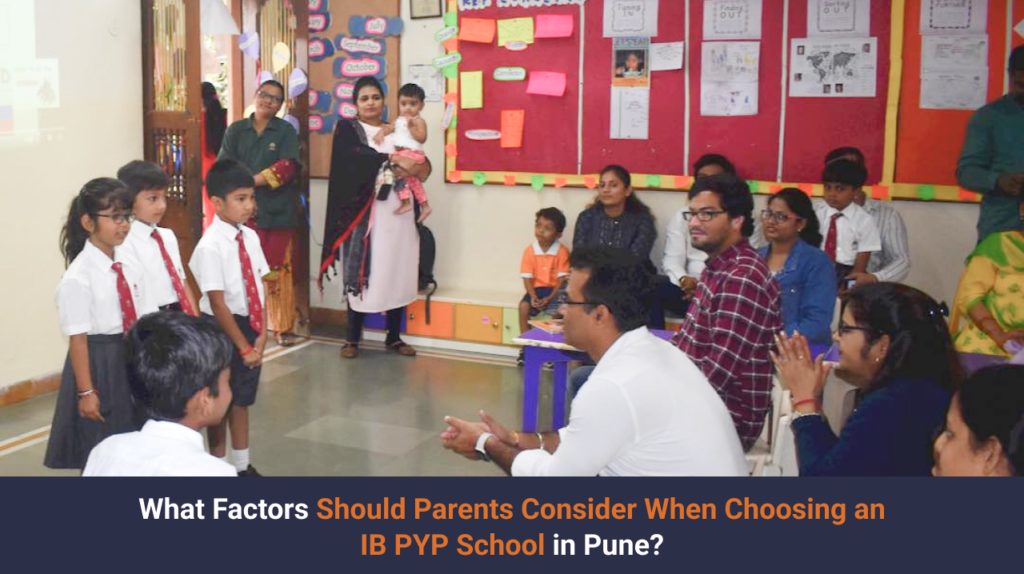
Choosing a school for your child is one of the most meaningful decisions you will make as a parent. And if you have been exploring the International Baccalaureate Primary Years Programme (IB PYP), chances are you already know it offers something different: a genuinely child-centred, globally recognised education rooted in inquiry and real-world learning. Pune has seen a growing number of families turn towards International Primary Schools in the city, looking for environments that nurture the whole child, going well beyond academic performance alone. But here is the thing: not every school that claims to follow the IB PYP curriculum truly delivers on its promise. Teaching quality, school philosophy, infrastructure, and student well-being all matter deeply when making your choice. So, where do you begin? What Is the IB PYP Curriculum and How Does It Work? Before evaluating schools, it helps to understand what the programme actually entails: Designed for Children Aged 3 to 12 Years: Covers early years through Grade 5 with age-appropriate, inquiry-based learning. Focuses on Inquiry-Based Education: Children are encouraged to ask questions, explore ideas, and take ownership of their learning. Promotes Conceptual Understanding: Learning happens through real-world themes, not memorisation. Supports Holistic Development: Balances academics with emotional, social, physical, and ethical growth. Encourages International-Mindedness: Develops globally aware students through the IB Learner Profile. What Key Factors Should Parents Look for When Choosing an IB PYP School in Pune? Accreditation and IB Authorisation This is your starting point. Always verify that the school is officially authorised by the International Baccalaureate Organisation to offer the PYP. A school can claim to follow the “IB approach” without formal authorisation, and that is a significant difference. Among the IB schools in Pune, look for those listed on the official IB World Schools directory. Teaching Methodology and Faculty Quality Qualified, trained educators make all the difference in a PYP classroom. Look for schools where teachers have undergone IB-specific professional development and genuinely understand how to facilitate inquiry-led learning, moving away from lecture-based instruction. Focus on Holistic Learning A strong IB PYP school gives equal weight to emotional, social, and physical development alongside academics. Ask how the school approaches emotional development in early childhood through Social Emotional Learning (SEL) activities, student counselling, and well-being programmes. Student-Centred Learning Environment Visit the classroom. Observe whether children are engaged, curious, and free to voice their ideas. In a genuine PYP setting, students lead discussions, take initiative, and collaborate, instead of simply following instructions. Comparison of Factors Parents Should Evaluate While Choosing an IB PYP School Parameter Ideal IB PYP School Traditional School General International School Learning Approach Inquiry-based and child-centric Teacher-led Mixed Emotional Development Strong focus on SEL and well-being Limited emphasis Moderate Teaching Style Interactive and experiential Lecture-based Varies Skill Development Creativity, communication, collaboration Academic-focused Balanced Assessment Style Continuous and observation-based Exams and tests Mixed Why Choosing the Right IB PYP School Matters Early Childhood Shapes Long-Term Learning The early years are far more formative than many parents realise. According to research published by Smile Foundation India, citing neuroscience and social science studies, 90% of a child’s brain develops by the time they turn five, making quality early education essential to their long-term potential. IB Education Is Growing Rapidly in India The demand for this style of learning is clearly on the rise. According to ISC Research consultant Abhishek Pandey, the number of IB schools in India grew from 192 in 2020 to 276 in 2025, a 44% increase. Urban parents, especially in cities like Pune, are actively seeking international schools in Pune that combine academic rigour with holistic child development. Demand for Future-Ready Skills Global education reports consistently highlight creativity, communication, collaboration, and critical thinking as the skills children will need most in their careers. The IB PYP is designed around precisely these competencies. Increasing Preference for International Education Among the best IB PYP schools in Pune, parents are looking for campuses that blend global educational standards with values-based learning rooted in Indian culture, a combination that prepares children to thrive both locally and globally. Frequently Asked Questions What should parents prioritise when selecting an IB PYP school in Pune? Start with IB authorisation, then evaluate teaching quality, holistic development initiatives, campus infrastructure, and the school’s overall philosophy. A school’s track record and community culture matter as much as its curriculum. Why is emotional development important in the early years? Children who develop strong social-emotional skills early on tend to perform better academically and build healthier relationships. Look for schools that integrate SEL programmes, counselling, and student well-being into everyday school life. How can parents verify if a school truly follows the IB PYP approach? Visit the school and sit in on a class if possible. Check the IB Organisation’s official website to confirm authorisation. Ask about teacher training, assessment methods, and how student inquiry is structured across subjects. Are all international schools in Pune IB PYP schools? No. Many international schools in Pune follow different curricula such as Cambridge, CBSE, or IGCSE. The IB PYP is a specific programme and requires official authorisation. Always check directly with the school and the IB Organisation before making your decision. At MIT Gurukul, we are proud to be an authorised IB World School in Pune, offering the PYP, MYP, and Diploma Programme within a residential setting that blends international academic standards with strong Indian values. If you are searching for one of the best IB PYP schools in Pune, we welcome you to visit our campus and see our approach to holistic learning first-hand.
Which International Primary Schools in Pune Are Renowned for Their Academic Excellence and Holistic Development?
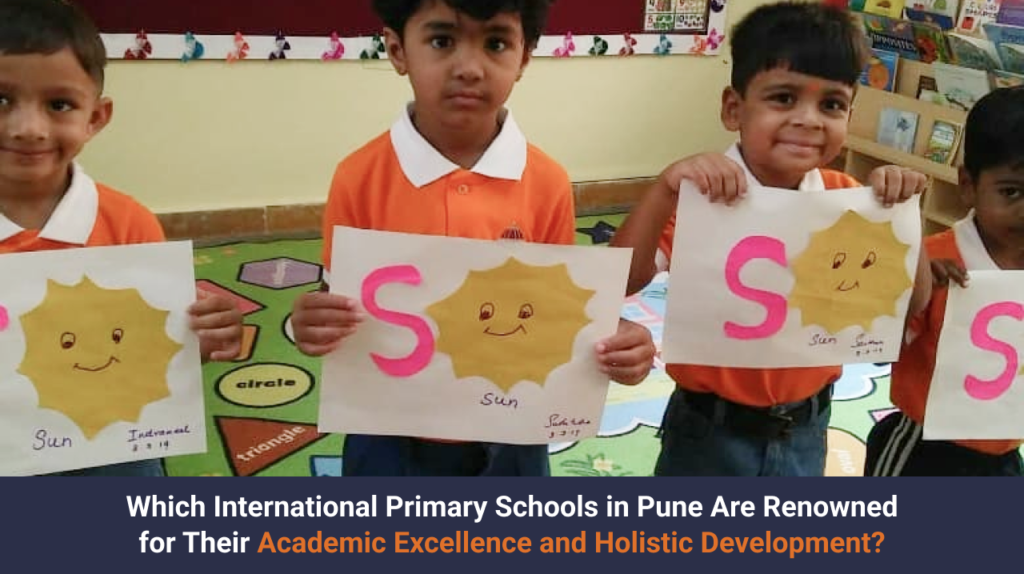
If you are a parent in Pune exploring schools for your child, you have probably noticed one thing: the options are overwhelming. But among all the choices, international primary schools are drawing growing attention, and rightly so. Today’s parents want schools that build character, curiosity, and confidence alongside academics. International primary schools in Pune offer exactly that, a space where children grow intellectually, emotionally, socially, and creatively, all at once. These schools follow globally recognised frameworks, such as the IB Primary Years Programme (PYP), which nurtures inquiry-based learning, global awareness, and future-ready skills from an early age. Parents searching for the best schools often prioritise academic rigour, personalised learning, strong extracurricular programmes, and genuine holistic learning environments. What Makes an International Primary School Stand Out? Not every school that calls itself ‘international’ truly delivers. Here is what genuinely distinguishes a standout institution: A globally recognised curriculum such as the IB PYP or Cambridge Primary Inquiry-based and student-centred teaching methods Strong emphasis on emotional and social development in early childhood Focus on creativity and innovation in education, critical thinking, and communication Experienced faculty trained in international pedagogical approaches Key Features of Renowned International Primary Schools in Pune What Does Academic Excellence Look Like? International curricula that promote conceptual understanding and problem-solving over rote learning Strong literacy, numeracy, and communication skill development from the earliest years Personalised learning approaches tailored to each child’s pace and strengths How Does Holistic Development Work in Practice? Equal emphasis on academics, the arts, sports, and life skills Programmes that actively support emotional development in early childhood Activities designed to build confidence, leadership, and teamwork What Is Inquiry-Based Learning? Children learn through exploration, real-world questioning, and hands-on experiences Encourages independent thinking and genuine curiosity rather than passive absorption What Global Exposure Can Children Expect? Multicultural environments that foster international-mindedness Opportunities to understand global perspectives, diverse cultures, and shared human values How Do International Primary Schools Compare to Other Schooling Formats? Parameter International Primary Schools Traditional Schools Other Private Schools Learning Approach Inquiry-based and experiential Teacher-centred Mixed Curriculum Style Global and concept-driven Syllabus-focused Moderate Emotional Development Strong emphasis on SEL Limited focus Moderate Skill Development Creativity, collaboration, communication Academic knowledge Balanced Assessment Method Continuous and observation-based Exams and tests Mixed Why Do Parents Prefer International Primary Schools in Pune? 1.Growing Demand for Global Education Pune is firmly on the map. According to Techmagnate’s Search Trends Report, the top six Indian cities, including Pune, contributed 44.61% of total search volume for international schools, and this demand grew by 32.07% year-on-year. Urban parents are actively seeking global curricula that open doors to international higher education and career pathways. 2. Importance of Early Childhood Development The science is clear. Research from Karnataka, India (J-PAL) found that children who attended quality early childhood education programmes scored 0.8 standard deviations better on cognitive tests, with effects persisting into primary school. The early years are formative, and the right school environment makes a lasting difference. 3. Focus on Future-Ready Skills The world your child will work in looks very different from the one you grew up in. Creativity, collaboration, adaptability, and critical thinking are the currencies of tomorrow’s careers. International schools offering holistic learning environments build these skills intentionally through structured programmes and open-ended learning experiences. 4. Rising Awareness About Emotional Well-Being Parents today understand that academic success is one piece of a larger picture. Schools that champion creativity and innovation in education alongside social and emotional learning are the ones truly preparing children for life. Frequently Asked Questions 1. What are the benefits of studying in international primary schools in Pune? Families who choose primary schools in Pune with an international curriculum gain access to globally recognised learning frameworks, personalised teaching approaches, and a rich mix of academic and extracurricular opportunities. Beyond academics, children develop communication skills, emotional resilience, and an international outlook that serves them well throughout life. 2. How does the IB PYP curriculum support holistic learning? The IB PYP is built around six transdisciplinary themes that connect learning to the real world. Children are encouraged to question, reflect, and take action, developing the whole child through a balance of academic learning, creative expression, physical activity, and social responsibility. 3. Why is emotional development important in early childhood education? The early years, roughly from ages three to eight, are when the brain is most receptive to social and emotional learning. Schools that invest in this phase help children build self-regulation, empathy, and interpersonal skills, all of which directly influence academic performance and long-term well-being. 4. What should parents look for when choosing an international primary school? Look for a recognised global curriculum, qualified faculty, small class sizes for personalised attention, strong extracurricular opportunities, and a safe, inclusive campus culture. Visiting the school and speaking with current parents are essential steps before making your decision. MIT Gurukul is an international residential school in Pune offering IB education, blending modern academic excellence with Indian values for holistic student development. Learn more at www.mitgurukul.com.
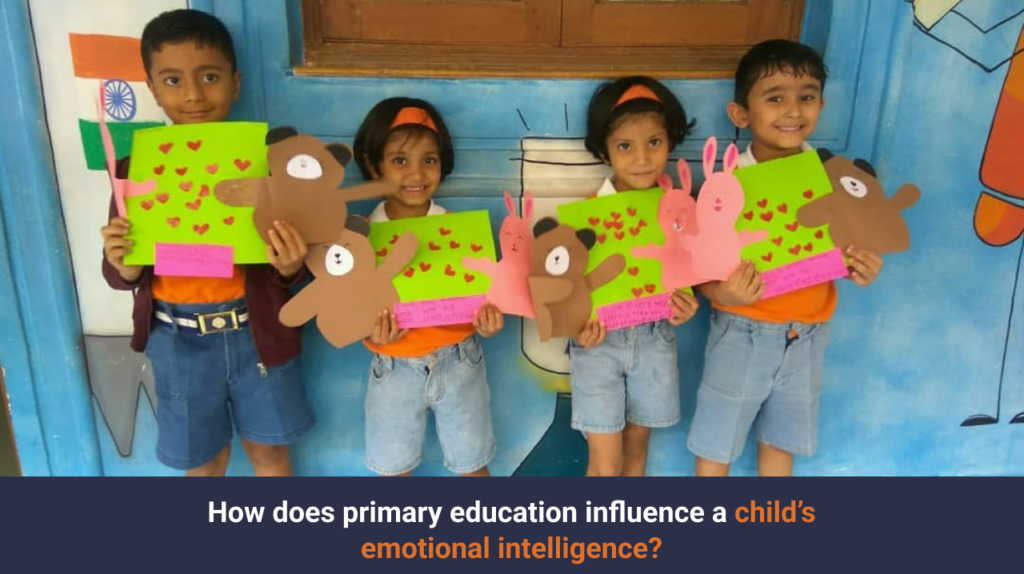
How does primary education influence a child’s emotional intelligence?
Ever noticed how some children handle tricky situations, express clearly and bounce back after a setback, while others struggle? That difference comes down to one powerful skill known as Emotional Intelligence. Marks matter and so do emotions. Success is not just about academics; it is about understanding people, managing feelings and building strong relationships. That is where emotional intelligence in early childhood emerges as a game changer. The early years (ages 3-12) are not just about ABCs and numbers; they are where children learn how to feel, react and connect. This is exactly why parents exploring the best primary schools in Pune now look beyond academics. They want schools that shape confident and emotionally aware individuals. So, how exactly does primary education influence emotional intelligence? What is Emotional Intelligence in Children? At its core, emotional intelligence (EI) is the ability to understand, feel and manage emotions of their own and of others. In the context of emotional intelligence in early childhood, it forms the foundation of how children interact with the world. Here is what it includes: Self-awareness: Children learn to recognise their emotions, whether they feel happy, sad, angry, or excited and understand why. Self-regulation: They learn to manage emotions instead of reacting impulsively. Think fewer tantrums, more thoughtful responses. Empathy: Children begin to understand how others feel and respond with kindness and respect. Social Skills: They build friendships, communicate effectively and learn teamwork. Motivation: EI helps children stay positive, resilient and eager to learn, even when things get tough. Emotional Expression: They learn to express feelings clearly and appropriately instead of bottling them up. In simple terms, EI helps children become emotionally smart humans and not just academically smart students. How Primary Education Supports Emotional Intelligence Development? Primary education plays a massive role in shaping these skills. The right environment transforms how children understand emotions. Here is how schools make it happen – Social Interaction in Classrooms: Daily interactions teach children how to share, collaborate and resolve conflicts. These real-life moments build emotional awareness naturally. Teacher Guidance and Mentorship: Teachers act as role models. Their behaviour shows children how to respond calmly, communicate respectfully and handle emotions positively. Play-Based and Experiential Learning: Activities like storytelling, role-play, and group games allow children to explore emotions in a fun, safe way. This is one of the key early childhood education benefits that boosts emotional growth. Safe and Supportive Environment: When children feel supported and safe, they open up. An encouraging classroom environment motivates them to express feelings without fear. Communication and Language Development: Schools help children put feelings into words. Instead of frustration, they learn to express their concerns. Value-Based Education: Lessons in empathy, kindness, respect, and responsibility become part of everyday learning. This is why parents researching the best primary schools often prioritise institutions that blend academics with emotional development. How Does Emotional Intelligence Development Differ Across Learning Environments? Not all learning environments shape emotional intelligence in the same way. Here is a quick comparison: Parameter Holistic Primary Education Traditional Education Other Learning Approaches Learning Approach Child-centric and experiential Teacher-led Mixed approach Emotional Development Strong focus on EI and SEL Limited focus Moderate Social Skills Encouraged through collaboration Less emphasis Balanced Classroom Environment Supportive and inclusive Structured Varies Student Expression Open and encouraged Restricted Moderate Schools that focus on holistic learning like many International Primary Schools Pune tend to nurture emotional intelligence more effectively. Why Is Emotional Intelligence Important in Early Education? Let’s talk about facts. Emotional intelligence plays an impactful role in a child’s future. Impact on Academic Performance: Research shows that emotional intelligence significantly influences academic performance, with studies indicating up to an 8.4% improvement in student achievement through social-emotional learning programmes. Early Brain Development: According to neuroscience and early childhood development research, the first 1,000 days of a child’s life are critical for brain development; highlighting how early years strongly shape emotional and social growth. This makes primary education a critical stage. Better Social Relationships: Children with strong EI build healthier friendships often communicate better and handle conflicts more effectively. Improved Mental Well-being: Emotionally aware children handle the challenges better, which reduces anxiety and boosts their confidence. Future-Ready Skills: Employers today value soft skills like communication, adaptability and teamwork. When schools nurture emotional intelligence early, they empower children to become confident and compassionate individuals. Conclusion Selecting the right school is not just about academics; it is about shaping who your child becomes. The right primary education builds knowledge with confidence, empathy and resilience. When you explore international primary schools, look for environments that prioritise emotional intelligence in early childhood alongside academics. Those early years truly define how children think, feel, and connect with the world. At MIT Gurukul, the focus goes beyond textbooks. The aim is to nurture emotionally strong, self-aware and socially confident individuals who are ready to thrive in every aspect of life. FAQs 1. What is emotional intelligence in children? Emotional intelligence in children refers to their ability to understand, manage and express emotions effectively. It includes skills like empathy, self-awareness and communication which help children navigate social situations, build relationships and respond to challenges in a balanced and thoughtful way. 2. Why is primary education important for emotional development? Primary education lays the foundation for emotional growth by exposing children to social environments, guided learning and structured experiences. During these formative years, children develop essential life skills like empathy, self-control and communication which shape their personality and behaviour in the long run. 3. How do schools help develop emotional intelligence? Schools create opportunities for interaction, collaboration and guided learning through activities such as group work, storytelling and play. Teachers mentor students, encourage expression and model positive behaviour, helping children understand emotions, resolve conflicts and build meaningful relationships with peers. 4. Can emotional intelligence impact academic success? Yes, emotional intelligence significantly influences academic performance. Children who manage emotions well tend to stay focused, handle stress better and remain motivated. These skills improve learning outcomes, classroom participation and overall academic achievement while also
The Importance of Continuous Learning in Today’s World

In our current reality where change is steady, the quest for knowledge turns into a powerful power impelling people toward growth and success. Continuous learning remains as a reference point, directing professionals on a journey of securing new skills, remaining pertinent, and flourishing in a developing scene. In this blog, we disentangle the main four ways continuous learning fills personal and professional growth, giving a guide to success. In the cutthroat scene of the professional world, continuous learning arises as a methodology for remaining important as well as a transformative journey toward personal and career growth. We should dig further into how every feature adds to a satisfying and successful professional life. Agility in Adjusting to Change Continuous learning fills in as an impetus for adaptability, a quality key in a period of fast mechanical advancements and industry changes. Professionals who embrace continuous learning are better prepared to explore change, promptly consolidating groundbreaking thoughts, advancements, and procedures into their skill set. This agility shields against out of date quality as well as positions people as important assets in any advancing scene. Widening Skill Sets and Expertise One of the essential benefits of continuous learning lies in the extension of skill sets and expertise. Whether through proper training, online courses, studios, or independent learning, people can get new skills that improve their professional capacities. This diversification of skills not just makes people more flexible in their ongoing jobs yet in addition opens ways to new open doors and career ways. Expanded Problem-Solving and Innovation Continuous learning supports an outlook of ceaseless interest and problem-solving. People who participate in continuous learning are bound to move toward difficulties with imagination and innovation. Learning new ideas and procedures invigorates the mind, cultivating a proactive way to deal with problem-solving. This mentality turns into an impetus for innovation, situating continuous students as assets in workplaces that esteem adaptability and groundbreaking. Upgraded Professional Confidence and Motivation As people continuously grow their knowledge and skill sets, a characteristic result is expanded confidence in their professional capacities. This upgraded confidence converts into a proactive demeanor, enabling people to take on new difficulties and obligations. Besides, continuous learning is inherently connected to motivation. Professionals who effectively look for new knowledge and skills frequently find their work really captivating and satisfying, driving them toward more significant levels of accomplishment. Conclusion: The Unending Skyline of Growth Through Learning Continuous learning isn’t simply a system; it’s a transformative journey toward personal and professional growth. The agility to adjust to change, the widening of skill sets, the embrace of problem-solving and innovation, and the development of professional confidence and motivation are the structural blocks of success in the always advancing scene of the professional world. As people set out on the Web optimization cordial journey of continuous learning, they stay significant in their careers as well as become engineers of their own success, exploring the unending skyline of growth through the force of learning.