


Sharing the planet PYP 2
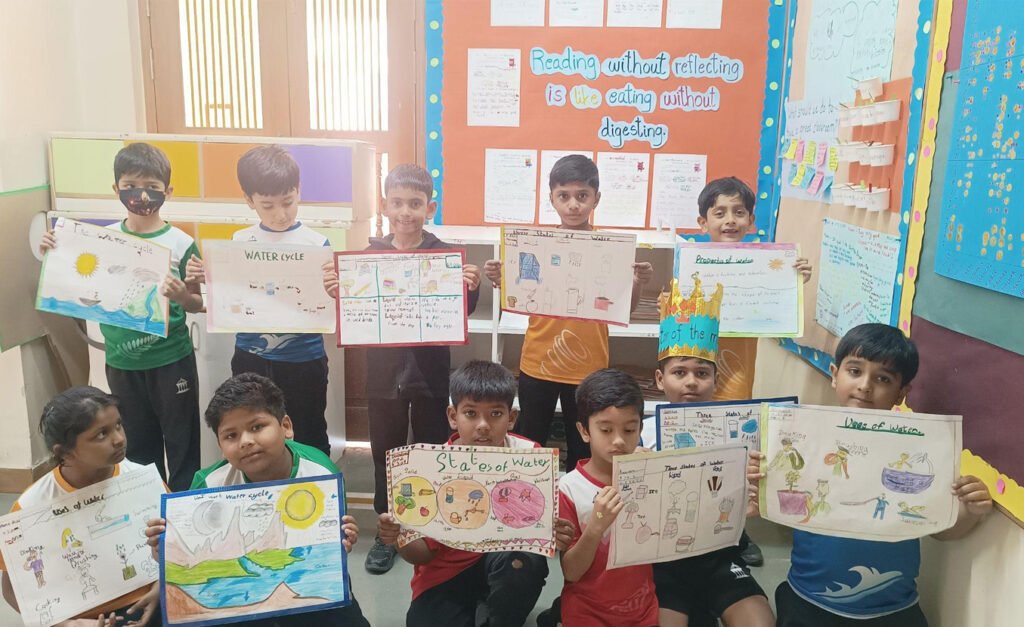
Our PYP 2 students have demonstrated remarkable curiosity and enthusiasm towards learning about water. They have been exploring the water cycle and the different states of water through various activities and discussions.
Holi Festival Celebration

Boarding students enthusiastically celebrated Holi Puja, infusing the campus with vibrant colors and joyous festivities. The day commenced with traditional rituals, where students adorned in traditional attire gathered to offer prayers and seek blessings for prosperity and harmony.
MUN at Mahendra International School 2024
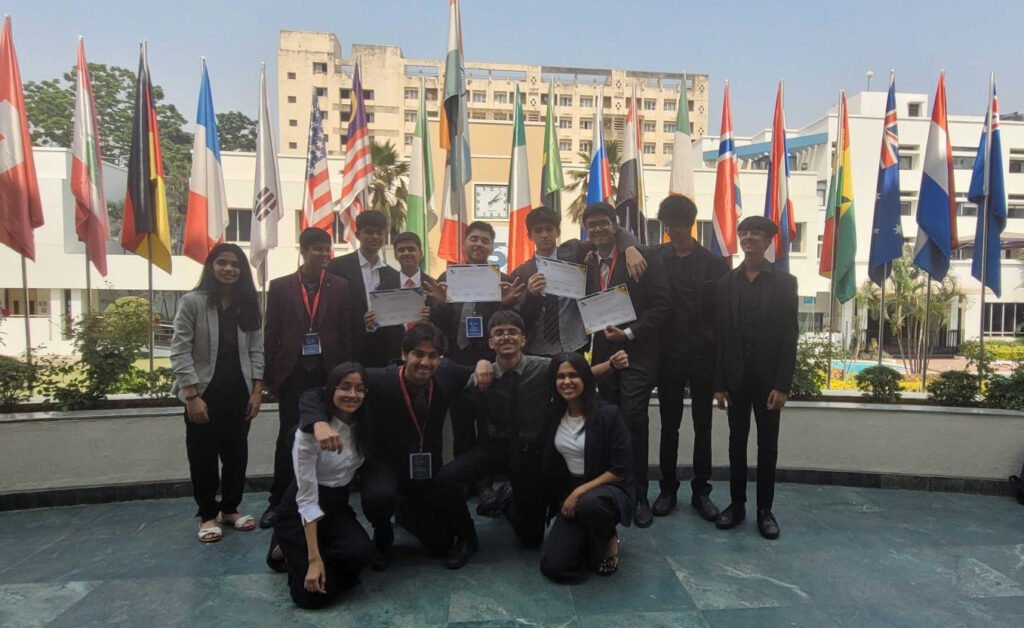
Our students have had an extremely successful experience at the Mahendra International School’s MUN.
There were 4 UN Committees in the conference –
Visit to the Rajiv Gandhi Zoological Park
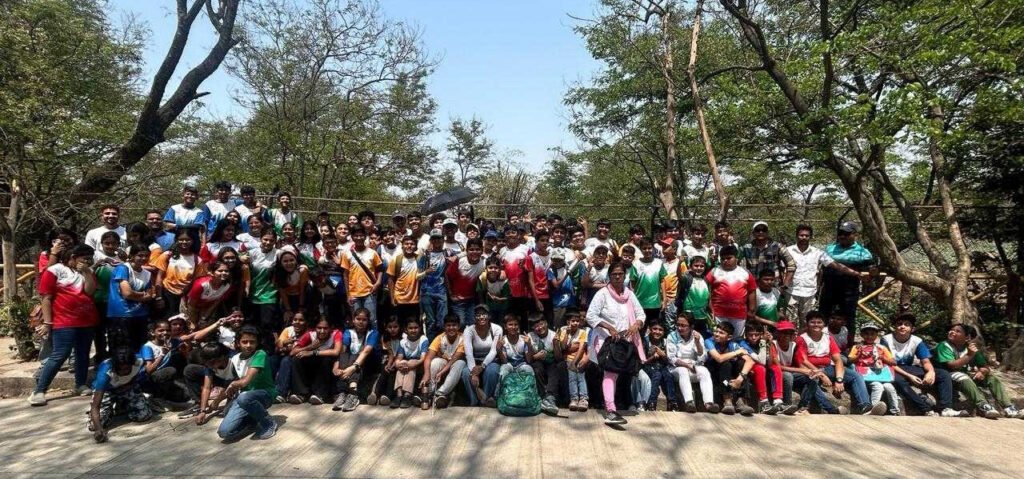
Students visited the Rajiv Gandhi Zoological Park, it was an enriching experience that blended education with enjoyment. As we embarked on our journey through the park the students were filled with curiosity and were eager to explore the wonders of the animal kingdom.
Stem X

Participating in Stem X was a great experience for me. It gave me the platform to showcase my innovative idea about using AI for human emotional wellness.
MYP 1 Chemistry Field trip
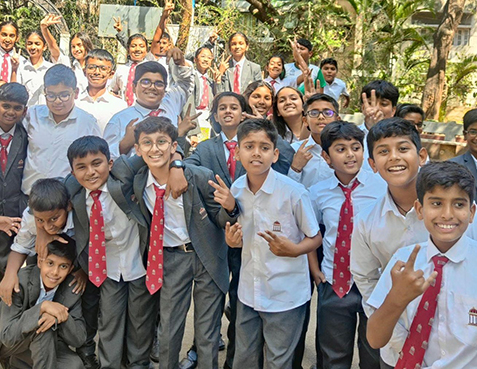
In the realm of CAS (Creativity, Activity, Service), our Chemistry Laboratory became a hub of exploration as students engaged in the fascinating experiment of river water testing using the method of titration.
111th ISRO Space Exhibition

The 111th ISRO Space Exhibition, hosted by the Indo Science Education Trust, Samvit, and Vishwashanti Gurukul World School, commenced with a fervent invocation of peace and unity. Priya Dsouza and Deepika Kagliwal extended a warm welcome to esteemed guests and attendees, emphasizing the event’s significance in promoting scientific awareness and collaboration.
Empowering Wellness: Yoga Session for MYP 1-4
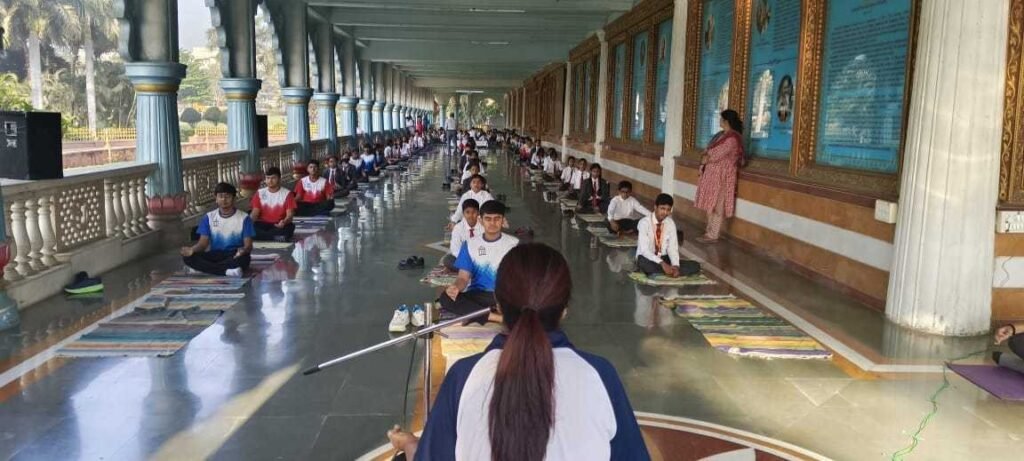
The session featured invigorating stretches, focused pranayama, and serene meditation. This holistic approach aims to enhance physical and mental well-being, providing students with tools for stress management and improved focus. We believe fostering a balanced mindset contributes positively to their academic journey.
9 Ways to Fostering creativity and curiosity in IB classrooms
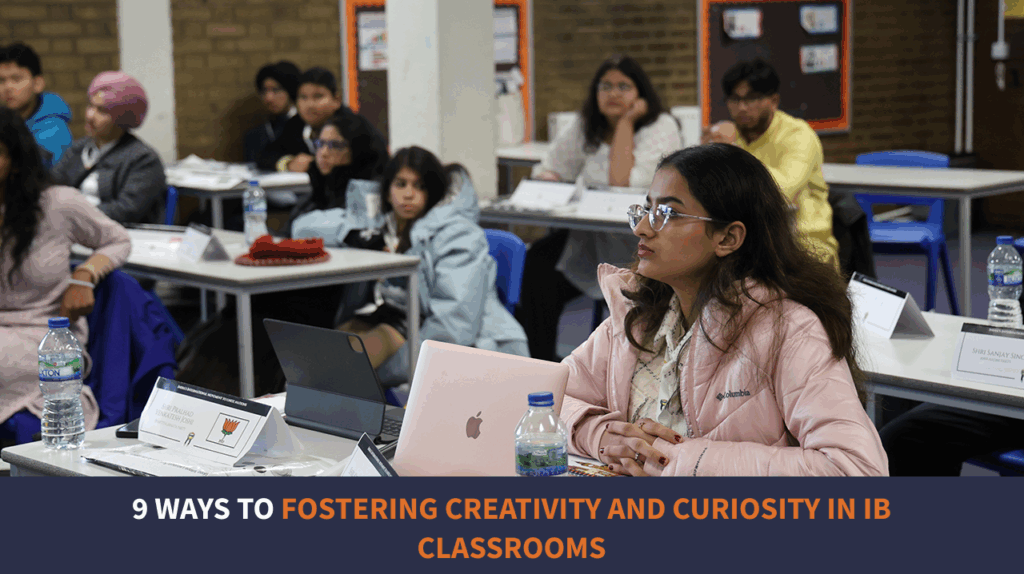
Are you an educator in IB classrooms who struggles with your creative students? While some students are well-suited to the world of academia, others struggle. Their creativity is a gift, but it may cause them to feel under-stimulated and unfulfilled in a conventional classroom environment. Inspiring students to express themselves and learn in their own ways is part of your job. Are you up to the challenge? If you’re ready to commit to improving your IB classroom, keep reading to learn all about how you can make your classroom friendlier to unconventional thinkers and encourage creativity. 1.Allow “Outside of the Box” Thinking Depending on the age of the students you’re teaching, you may feel inclined to encourage only one way of thinking. The delivery of facts and figures is difficult and daunting. As a teacher, you know that students will have to think inside of the box most of the time. 2.Encourage Independent Problem-Solving Some children never develop good problem-solving skills because they have answers fed to them by teachers or other students. It’s important to encourage students to collaborate, but one of the best teaching strategies to encourage creativity is to incorporate independent problem-solving. 3.Don’t Discourage Doodles Many teachers get frustrated when they notice a child who is doodling or writing non-academic things in the margins of their schoolwork. While it’s important that your students do all of their work, a student who is doodling while listening, thinking, or after their work is done should be encouraged, not discouraged. Doodling is often the first step on a child’s path toward being an artist. It’s often what leads to powerful stories, movies, and comics. 4.Focus on Strengths Speaking of allowing doodles, make sure that you teach each student’s strengths. This is difficult when you have many students. It requires flexibility and unique lesson plans. The extra effort will make a huge difference in each child’s life. There’s a saying that goes “Everyone is a genius. But if you judge a fish by its ability to climb a tree, it will live its whole life believing that it is stupid.” While this quote is often misattributed to Einstein, it has some truth behind it. 5.Set Up a Flexible Classroom What does your classroom layout look like? If you’re like many teachers, children are either in pods or individual desks. You may rearrange seats every so often, but overall, students remain in their own spots. There are benefits to this. If you know that some students can’t work together or can’t stop talking to each other, it’s helpful to keep them apart. That said, is it really the best option? 6.Hands-On Learning Matters How many opportunities do your students have to engage in hands-on learning? Many children learn by doing or by engaging in unique experiences. While reading a book is good enough for some students, others will flex their creativity muscles when they have the opportunity to be more interactive with their lessons. 7.Create Unconventional Lesson Plans Speaking of hands-on learning, it’s your job as an educator to create unique and unconventional lesson plans to support and encourage creative students. Lecturing or reading to students is easy. For new teachers, this is often the most obvious way to adapt to a teaching environment. That said, these approaches aren’t simulating for creative children. By teaching in unconventional ways, you’re making students think in unconventional ways. 8.Use Visual Aids If you want your children to feel confident when they’re expressing their creativity, consider using more visual aids in the classroom. Most assignments in conventional classrooms aren’t stimulating. They may cause students to feel bored and uninspired. By adding examples and items to handle, manipulate, and examine more closely you may spark some creative responses. 9.Follow Your Students’ Lead When you’re not sure how to support students who need more creative education strategies, try to follow their lead. You can’t put children in charge of their education, but you can watch them learn what they need. A lot of the teaching process is trial and error, so test out new strategies with your creative students and see what works best for them. Conclusion Inspiring students is one of the best and most fulfilling aspects of being an educator of an IB classroom. You’re molding and shaping young minds and preparing these children for the real world. While academic education is important, supporting creative students and encouraging their creativity will change their lives and outlooks. You might be helping a future creator. Are you ready to make some much-needed changes to your teaching strategies and educational style? Why not pursue new and unconventional possibilities? MIT VGS is committed to fostering positive learning environments for all students in.
How To Know If Your Child Is Ready For Preschool
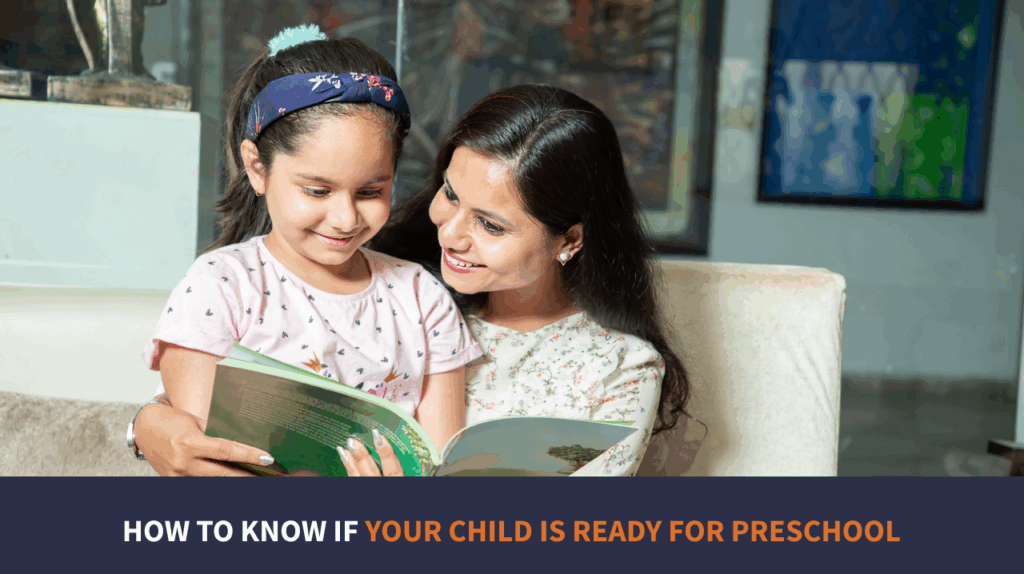
There isn’t an fixed list of must-have skills children need to begin preschool. That is because small kids have different rates of learning and understanding things. However, there are a few regions you can take a gander at to check whether your kid is prepared for bunch learning. And keeping in mind that you might feel overwhelmed to send your kid to school, have confidence that they will acquire many advantages from preschool, from further developing socialization to widening their insight. All kids develop at their own speed, however there are a couple of pointers to assist you with deciding if your kid is getting ready for preschool. What Is the Right Age for Preschool? Most preschoolers are between the ages of 3 and 5. Nonetheless, the perfect opportunity to enlist your kid in preschool will fluctuate since each kid grows differently. Preschool is still up in the air by your youngster’s development, which can be impacted by factors like social-emotional development, capacity to deal with taking care of oneself undertakings and other physical and scholastic skills. Signs Your Kid Is Getting Ready for Preschool 1.They Are Potty Trained Numerous preschools expect understudies to be potty trained before enlistment. Youngsters at preschool age should likewise have some taking care of oneself skills, including cleaning up, pulling up and affixing their jeans, and putting on their shoes and coat. A few schools just require youngsters 3 years and more established to be potty trained before preschool. Just sit back and relax if your youngster has a mishap or needs assistance tidying up. It’s normal at this stage! 2.They Can Deal with Separation There are a couple of emotional variables you should search for while thinking about whether your kid is prepared for preschool. The fundamental one is having the option to express farewell to a parent or guardian without encountering a lot of anxiety. While it’s not unexpected to feel apprehensive, kids who cry over the course of the day subsequent to isolating from their folks probably won’t be prepared for a full preschool program. Many children cry on their most memorable day or get emotional all through the primary week. After some time, these sentiments frequently die down, and an emotionally prepared youngster will probably be anxious to learn and make companions in preschool. 3.They Follow Directions Preschoolers should likewise have the option to follow basic directions. While numerous preschools aren’t excessively severe about rules, a few projects will request that the youngsters tidy up, follow nibble techniques, stroll in accordance with their cohorts and complete other grouped jobs. If you feel your kid might battle with a portion of these necessities, you can begin showing them simple errands at home first. Thoughts incorporate preparing the table for supper or going with you to acquire the mail. Laying out these schedules can be compelling in setting them up for preschool obligations, so pick basic tasks that can be finished consistently. 4.They Impart Clearly Three-year-olds aren’t supposed to have wonderful discourse. As a matter of fact, most preschoolers just talk in sentences of three to five words. In any case, your youngster should know how to communicate their thoughts clearly so new grown-ups can figure them out. It’s fundamental that they can get their sentiments and needs across, whether through discourse, communication via gestures, motions or with the assistance of innovation. The most effective method to Set up Your Kid for Preschool As a rule, you won’t need to successfully set up your kid for preschool since these skills are ones that most children foster normally around 3-5 years of age. Nonetheless, you could set them up by checking on fundamental preschool skills like collaborating with kids their age, following directions, utilizing the washroom and cleaning up a couple of months prior to enlisting them in a preschool program, particularly if you notice they are behind on any of these skills. Conclusion All kids merit a protected, drawing in an educational environment where they can develop mentally, emotionally, and socially. While you’re searching for preschools in Pune, India, look no farther than the MIT VGS. Their early learning projects can assist with setting up your kid for success in kindergarten and past by supporting their imagination, assisting them with working in a friendly way of behaving and expanding taking care of oneself skills.