

Parents are more invested than ever in finding their children’s educational path in today’s fast-changing world. Globalization and technological advances have shifted how we view learning and development. As a result, IB education—or International Baccalaureate—has gained widespread attention for its unique and forward-thinking approach.
More and more families across the globe are choosing IB schools because the IB curriculum offers a comprehensive, inquiry-based, and globally relevant education. If you’re wondering why parents choose IB education or what makes it so special, this guide will walk you through everything, from the basic framework to the benefits and give you the best IB schools selection guide!
1. Understanding the IB Framework
1.1 What is International Baccalaureate education?
The International Baccalaureate (IB) was founded in 1968 in Geneva, Switzerland, by international educators aiming to develop a challenging, holistic educational framework that prepares students for a globalized world. The IB’s mission is to cultivate inquiring, knowledgeable, and caring young people who help create a better and more peaceful world through intercultural understanding and respect.
Today, the IB programme is offered by over 5,000 authorized IB schools in more than 150 countries, making it one of the most respected international educational models. Its global reach reflects the growing importance of cross-cultural competence and lifelong learning in the 21st century.
IB education focuses not just on academic excellence but also on developing critical thinking, creativity, and social-emotional skills—preparing children not only for university but for life itself.
1.2 Key Features of IB Curriculum
At the heart of the IB curriculum is inquiry-based learning, where students ask questions and explore concepts rather than memorizing facts. This approach encourages curiosity and fosters deep understanding.
Multilingualism is another key feature. IB programmes encourage students to learn multiple languages, enhancing communication skills and cultural awareness.
Moreover, the IB programme promotes a global mindset. We wonder how children learn in IB PYP. They are taught to see issues from multiple perspectives with practice, making them empathetic and open-minded global citizens.
The curriculum is divided into different stages and programmes that span ages 3 to 19, ensuring consistent educational growth:
- IB PYP (Primary Years Programme) for ages 3–12
- IB MYP (Middle Years Programme) for ages 11–16
- IB DP (Diploma Programme) for ages 16–19
This structure ensures a coherent progression, focusing on developing conceptual understanding, critical thinking, and intercultural respect.
🔗 Read more: Importance of International Education
2. Why IB is a Smart Choice for Your Child
2.1 Five Reasons Why Parents Should Consider IB
Choosing the right education is one of the most important decisions parents make. Here are five compelling reasons why IB education stands out:
- Conceptual and Critical Thinking
Unlike traditional rote learning, IB emphasizes conceptual learning. Students engage with ideas, develop critical thinking skills, and apply knowledge creatively to solve problems.
- Holistic Development
The IB programme nurtures every aspect of a child’s intellectual, emotional, social, and physical growth through a balanced curriculum that integrates academics with arts, sports, and community service.
- University and Career Readiness
Leading universities globally recognize the IB Diploma Programme. The skills gained, such as research, writing, and self-management, prepare students for higher education and career success.
- Global Citizenship
IB students become aware of global issues and cultural diversity, making them responsible and empathetic citizens. This fosters an open-minded outlook crucial for today’s interconnected world.
- Inquiry-Based and Student-Centered Learning
The inquiry model encourages curiosity and fosters independence. Students learn to ask questions, explore, and reflect, developing a love for lifelong learning.
🔗 Read more: Decoding the IB Curriculum: Why Is It Good for Your Child
3. Inside the IB Curriculum
3.1 Overview of PYP, MYP & DP
The IB PYP MYP DP structure provides a seamless, progressive learning experience:
- PYP (Primary Years Programme): Designed for young learners, the PYP emphasizes inquiry and exploration across six transdisciplinary themes. It aims to develop well-rounded, enthusiastic learners aware of themselves and their community.
- MYP (Middle Years Programme): Bridging primary and secondary education, the MYP encourages students to connect academic subjects with real-life contexts. It focuses on developing critical thinking, communication, and intercultural understanding.
- DP (Diploma Programme): The final stage, the DP, is a rigorous two-year curriculum that prepares students for university. It includes six subject groups and core elements: Theory of Knowledge (TOK), Creativity, Activity, Service (CAS), and the Extended Essay.
Together, these programmes form a coherent educational journey emphasizing inquiry, reflection, and active learning.
🔗 Read more: Decoding the IB Curriculum: Why Is It Good for Your Child
3.2 How Children Learn in PYP
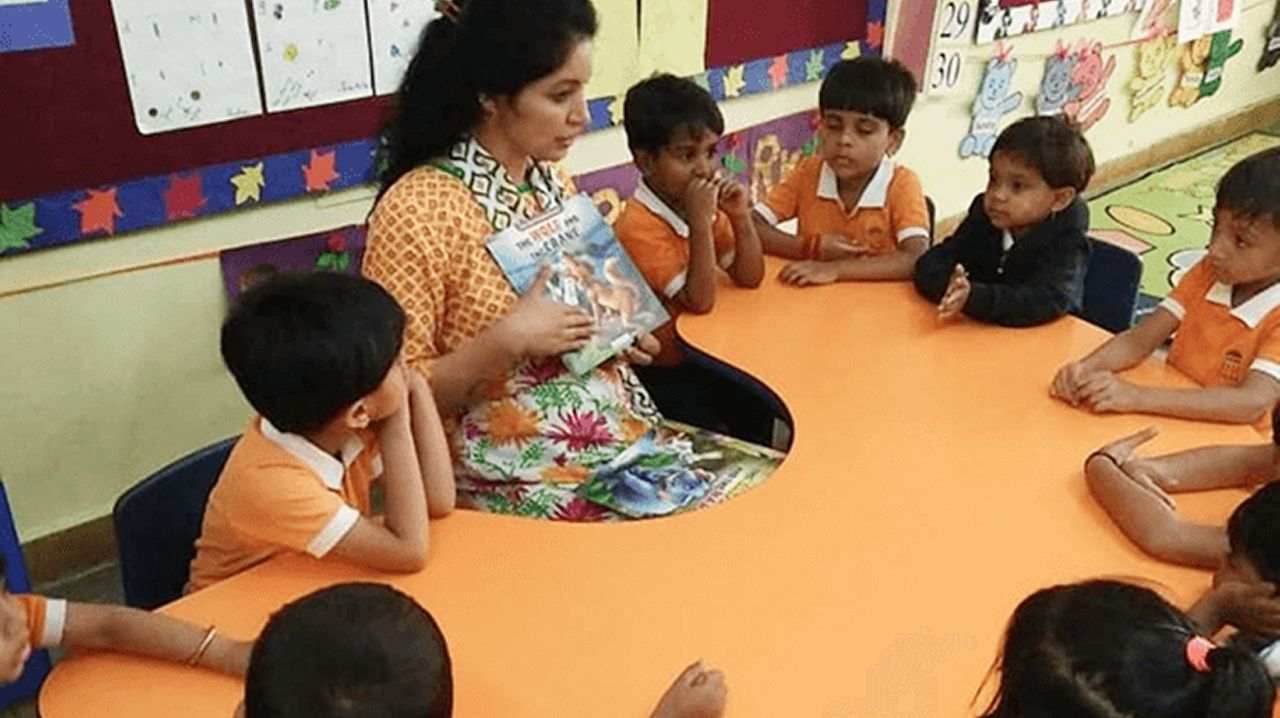
Understanding how children learn in the IB PYP is key for parents. The PYP employs inquiry-based and experiential learning, with students engaging in hands-on activities that promote discovery and critical thinking.
Teachers act as facilitators rather than mere knowledge dispensers. They encourage students to ask questions, collaborate in groups, and reflect on their learning process.
The learning is thematic and transdisciplinary, meaning subjects are integrated, helping children make meaningful connections.
Assessment is ongoing and formative, designed to guide and support individual growth.
🔗 Read more: How Do Children Learn in IB PYP?
3.3 Top 5 Elements of PYP

Here are the core elements that define the PYP experience:
- Learner Profile: Describes attributes IB hopes to develop—thinkers, communicators, principled, open-minded, caring, and more.
- Transdisciplinary Themes: These broad themes transcend subjects, such as “Who We Are” and “How the World Works,” encouraging integrated learning.
- Approaches to Learning (ATL): Skills like research, self-management, communication, social, and thinking skills that help students learn effectively.
- Concept-Based Learning: Encourages understanding of big ideas and concepts, not just memorization.
- Student Action: Students are encouraged to act on their learning and make a positive difference in their communities.
🔗 Read more: Top 5 Elements of Primary Years Program
4. The Holistic Advantage of IB Education
4.1 Do IB Schools Facilitate Holistic and Better Learning?
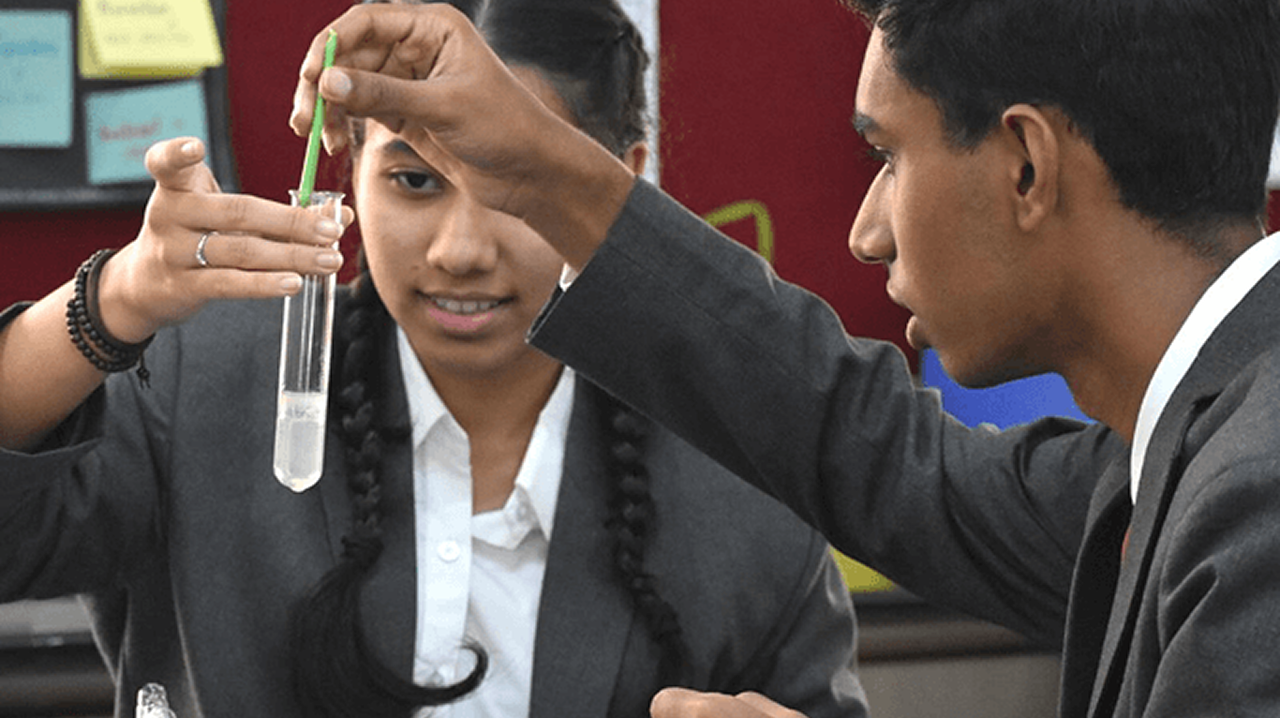
One of the most significant IB advantages is its emphasis on holistic education.
IB schools promote academic achievement, emotional intelligence, social responsibility, and physical well-being.
Students engage in co-curricular activities like sports, arts, and community service, ensuring balanced development.
Emotional growth is supported through reflective practices, peer collaboration, and open communication.
This balanced environment helps students become confident, resilient, and empathetic leaders of tomorrow.
🔗 Read more: Do IB Schools Facilitate Holistic and Better Learning Experiences?
5. Choosing the Right IB Programme and School
5.1 What is IBDP and How to Choose the Right School?
The IB Diploma Programme (IBDP) is a globally respected qualification designed for students aged 16-19. It focuses on academic rigor, critical thinking, and personal development and prepares them for university and beyond.
When selecting an IB school, consider the following:
- Authorization: Ensure the school is an authorized IB World School.
- Qualified Faculty: Teachers should have IB training and ongoing professional development.
- Track Record: Look for consistent academic results and university placements.
- Facilities: Modern labs, libraries, and spaces that support inquiry learning are essential.
- School Culture: IB schools should promote openness, respect, and a learner-centred environment.
- Beware Red Flags: High teacher turnover or overly rigid structures can hinder the IB experience.
For families in India, and Pune in particular, explore options like:
- IB MYP Admission Pune
- International board schools in Pune
- Top IB DP Schools in Pune
Choosing the right school ensures your child fully benefits from the IB programme.
🔗 Read more: IBDP School: Making the Right Choice
6. The IB Advantage Beyond School
6.1 Career and Higher Education Opportunities
Graduates of the IB programme have a competitive edge for university admissions worldwide. Prestigious universities recognize the IB curriculum’s depth, breadth, and rigour.
Here are some PYP teaching methods explained. Beyond university, IB students possess vital life skills:
- Research and Writing: Students learn to conduct independent research through the Extended Essay.
- Communication: Presentations, debates, and collaboration hone interpersonal skills.
- Adaptability: Exposure to diverse perspectives makes IB students flexible and open-minded.
- Ethical Reasoning: TOK (Theory of Knowledge) encourages students to think about the nature of knowledge and ethical considerations.
Employers increasingly seek candidates with global awareness, creativity, and problem-solving skills—all nurtured by IB education.
The IB benefits extend beyond school, shaping confident, capable, compassionate adults.
🔗 Read more: The Future Roadmap: Career Options After Completing IB Education
The International Baccalaureate (IB) offers a transformative, globally recognized education that prepares children for future challenges. Its holistic approach nurtures intellectual curiosity, social responsibility, and emotional resilience.
Whether you are wondering about International Baccalaureate education or seeking best IB schools selection guide, this guide has covered all the essentials.
IB for parents is ideal as they want their children to grow up to be thoughtful, capable, and compassionate global citizens
Ready to explore this world-class education?
👉 Visit MIT Gurukul Today