


Developing Future-Ready Leaders through Holistic Education: A Step-by-Step Guide
Table of Contents Introduction The need for holistic education in the 21st century In today’s rapidly changing world, holistic education has become essential for preparing students to thrive in the 21st century. Modern education challenges require more than traditional academic instruction—they demand whole-child development that nurtures every aspect of a student’s growth. Recent research from the University of Illinois in 2024 reveals that student leadership development requires a holistic approach, emphasizing that “Leadership education should encompass two dimensions: horizontal and vertical development. Both approaches are necessary and complement each other.” This finding underscores why holistic education is important in the 21st century. How it empowers leadership, values, and academic strength Leadership in students emerges naturally when education addresses intellectual, emotional, physical, and moral dimensions simultaneously. All-round development through value-based education creates individuals who can navigate complex challenges while maintaining strong ethical foundations. How holistic education builds leadership occurs through integrated experiences that develop both competencies and character. The need for a balanced approach in modern education stems from understanding that future leaders require emotional intelligence in students alongside academic excellence. Who should read this: educators, parents, curriculum developers This guide serves educators seeking comprehensive teaching approaches, parents supporting their children’s complete development, and curriculum developers designing 21st-century education programs. Benefits of whole-child education for future leaders extend far beyond academic achievement to encompass lifelong success and meaningful contribution to society. What is Holistic Education and Why It Matters Holistic education represents a comprehensive approach to learning that recognizes students as complete individuals with intellectual, emotional, physical, social, and spiritual dimensions. Unlike traditional education, which focuses primarily on cognitive development, holistic education integrates all aspects of human growth. The mind-body-emotion balance Mind-body-emotion balance forms the foundation of effective holistic education. This approach recognizes that learning occurs most effectively when students feel emotionally secure, physically healthy, and mentally engaged. Educating the whole child means creating learning environments that support all these dimensions simultaneously. What is holistic education, and why is it important, becomes clear when we observe students who receive a balanced education. They demonstrate stronger resilience, better problem-solving abilities, and more authentic leadership qualities compared to peers educated through narrow academic approaches. Fostering moral, emotional, and intellectual growth Moral development within holistic education creates ethical foundations that guide decision-making throughout life. Students learn to consider not just what they can do, but what they should do. Emotional well-being in education ensures that learning occurs in supportive environments where students feel valued and understood. How holistic education supports emotional and intellectual growth happens through integrated experiences that connect learning to personal meaning and social purpose. When students understand how their education relates to their values and aspirations, they become more engaged and motivated learners. 🔗 Read more: Holistic Education – Developing Leaders Beyond Classrooms Academic Excellence Meets Emotional Intelligence Academic excellence and emotional intelligence are not competing priorities—they are complementary aspects of complete education. Understanding EQ vs IQ helps educators and parents recognize that both intellectual and emotional capabilities contribute to student success. Why EQ matters as much as IQ Emotional intelligence encompasses self-awareness, self-regulation, empathy, and social skills that enable students to navigate relationships, manage stress, and collaborate effectively. The importance of emotional intelligence in academics becomes evident when students with high EQ demonstrate better classroom behavior, peer relationships, and learning outcomes. Research consistently shows that EQ vs IQ in predicting life success often favors emotional intelligence, particularly in leadership roles and collaborative environments. Students with well-developed emotional intelligence adapt more easily to new situations and recover more quickly from setbacks. Using language, arts, and mindfulness to build balanced individuals Social-emotional learning integrates naturally with academic subjects when schools adopt holistic approaches. Mindfulness in education creates calm, focused learning environments where students can process information more effectively and manage emotions constructively. Arts in education provide unique opportunities for emotional expression and creative problem-solving. Through visual arts, music, drama, and creative writing, students explore their inner worlds while developing communication skills and cultural awareness. How to balance IQ and EQ in the school curriculum requires intentional integration of emotional learning with academic content. This might involve literature discussions that explore character emotions, science projects that consider ethical implications, or mathematics problems that connect to real-world social issues. Benefits of mindfulness and arts for student growth include improved focus, enhanced creativity, better emotional regulation, and a stronger sense of personal identity. These capabilities form essential foundations for future leadership. Leadership Development from a Young Age Leadership development in students begins with recognizing that every child has leadership potential that emerges through appropriate experiences and support. Student leadership develops through daily interactions, group projects, and opportunities to take responsibility for meaningful outcomes. Responsibility in group work, empathy in daily interaction Responsibility in group work teaches students to consider others’ needs, contribute meaningfully to shared goals, and follow through on commitments. These experiences build practical leadership skills while fostering accountability and teamwork. Empathy in education develops when students learn to understand and respond to others’ perspectives and feelings. Empathetic leaders create inclusive environments where everyone feels valued and supported. How to build leadership in school children starts with providing age-appropriate opportunities for decision-making, problem-solving, and helping others. This might involve peer tutoring, student government, community service projects, or collaborative learning activities. Role models and real-life leadership examples in school Role models in schools demonstrate leadership qualities through their actions, decisions, and interactions with others. Teachers, administrators, older students, and community members can all serve as leadership examples for developing students. Teaching responsibility and empathy through daily classroom activities occurs through structured opportunities like group discussions, peer feedback sessions, conflict resolution processes, and collaborative projects that require students to consider others’ needs and perspectives. Real-life leadership development in schools connects classroom learning to authentic challenges where students can practice leadership skills in meaningful contexts. This might involve organizing school events, leading environmental initiatives, or mentoring younger students. Subject Integration for Lifelong Learning Subject integration and lifelong learning work together to create educational experiences that demonstrate
Essential Life Skills for Student Success: A Step-by-Step Growth Guide
Table of Contents Introduction In today’s rapidly evolving world, life skills for students have become just as crucial as academic success for achieving true fulfillment. While textbooks teach us facts and formulas, it’s the essential abilities that prepare them to navigate real-world challenges and achieve personal development. Recent research 2024 reveals why life skills are important for students, extending beyond classroom performance: “While academic and subject-specific skills are vital, broader ‘life skills’ – communication, resilience, motivation and confidence – are needed for success in education and the workplace.” This demonstrates the benefits of life skills in academic success and the importance of life skills in student development. Real-world impact: From classroom to career and beyond Student growth through life skills creates a lasting impact that extends far beyond school walls. Holistic education approaches recognize that real-world preparation requires more than academic knowledge—it demands practical capabilities that enhance school readiness and future success. Who this guide is for: school students, parents, and educators This comprehensive guide serves students seeking growth, parents supporting development, and educators enhancing their approach to holistic education and real-world preparation. Understanding Life Skills and Their Role in Student Growth Essential life skills are fundamental abilities that enable individuals to deal effectively with daily challenges. Understanding soft skills vs hard skills is crucial—while hard skills are technical competencies, soft skills encompass broader capabilities that determine success. Emotional intelligence involves recognizing and managing emotions while understanding others’ feelings. Communication includes active listening and clear expression. Decision-making skills help students evaluate options and choose appropriate actions. What are life skills, and why are they important? They form the foundation for lifelong success. Emotional intelligence in student life enables better relationships and academic performance. Developing decision-making skills in students prepares them for independence. The difference between soft and hard skills for students lies in application—hard skills get you noticed, but soft skills help you succeed. How early skill development builds confidence and resilience creates protective factors that buffer against life’s challenges, demonstrating resilience in students. 🔗 Read more: 7 Life Skills for Students Core Skills Every Student Must Develop Communication & Interpersonal Skills Communication skills and interpersonal skills form the foundation of all human interaction. Effective student expression involves listening actively, speaking and listening with clarity, and building confidence in communication through practice. How students can improve communication skills starts with active listening—giving full attention, asking questions, and responding thoughtfully. The importance of interpersonal skills for teenagers becomes crucial during developmental years when peer relationships significantly influence self-esteem and decision-making. Benefits of clear communication for students include improved classroom participation, stronger peer relationships, and enhanced relationship-building capabilities that serve them throughout life. 🔗 Read more: Importance of Teacher-Student Relationships Time Management & Prioritization Time management and prioritization skills are essential for student productivity. How to manage time as a student involves understanding urgent versus important tasks and creating systems for balancing academics with other activities. Effective study routines require effective scheduling that allocates appropriate time based on priorities. Tips for prioritizing schoolwork and hobbies include using techniques like time-blocking and the Eisenhower Matrix to categorize tasks by importance and urgency. Student time management techniques work best when students build buffer time, learn to decline non-essential commitments, and develop tracking systems for long-term projects. These practices prevent stress and improve performance. 🔗 Read more: Time Management Tips for Students Self-Discipline and Responsibility Self-discipline for students involves controlling impulses and working toward long-term goals despite short-term temptations. Student responsibility encompasses accountability and proactive ownership of learning and development. How students can build self-discipline starts with habit-building—creating systems that make positive behaviors automatic. The role of responsibility in student life includes taking initiative, seeking help when needed, and following through on commitments. Habits for academic success emerge when students maintain consistency in studies through established routines. Accountability and commitment develop naturally through practice, and gradual responsibility increases. 🔗 Read more: Importance of Discipline Building Strong Foundations Through Skill-Based Education Skill-based education integrates life skills directly into the curriculum through practical learning methods. Project-based learning requires students to apply multiple student skills simultaneously while working toward concrete goals. Benefits of skill-based learning in schools include increased engagement, improved confidence, and capabilities that transfer to college and career success. Integrating life skills into the school curriculum doesn’t require additional time—it enhances existing subjects. Holistic education approach recognizes that academic excellence and life skills development are complementary. Co-curricular activities provide opportunities for skill development outside traditional classrooms. Classroom activities for life skill development can be seamlessly integrated through group discussions, peer reviews, presentations, and collaborative projects that build essential capabilities while reinforcing academic content. 🔗 Read more: Importance of Skill Development in Education Navigating Teenage Challenges with Focused Growth Managing distractions in the digital age Digital distractions and screen time management have become critical challenges for today’s students. How to reduce screen time for students involves creating phone-free study zones and using apps that block distracting websites during study periods. Peer pressure extends beyond face-to-face interactions to constant social comparison through social media and student interactions. Ways to manage peer pressure in school include developing strong self-awareness and healthy coping strategies. Teenage stress intensifies due to academic demands, social pressures, and digital well-being challenges. Dealing with distractions in teenage years requires structure rather than complete elimination, plus regular breaks from technology. Boosting mental focus and academic motivation Mental focus and academic motivation require both eliminating distractions and actively strengthening attention through practice. Goal setting for students provides framework for maintaining motivation by connecting current learning to future objectives. How to improve focus and motivation in students involves mindfulness for teens through simple meditation and breathing techniques. Journaling benefits include improved self-awareness, emotional processing, and enhanced problem-solving abilities. Techniques to boost academic motivation include mindfulness exercises for teenagers and study concentration practices. These work best when students experiment to find approaches matching their learning styles. 🔗 Read more: Teenage and Educational Focus The Role of Parents and Teachers in Life Skill Development The role of parents in
Cultivating Computational Thinking and Early Coding in Preschoolers
Introduction To single out a foundational skill for the 21st century, it would be none other than computational thinking. CT, or computational thinking, is inspired by computer science, an organised method of problem-solving. CT divides difficult issues into digestible chunks. It recognises trends, develops methodical fixes, and eliminates superfluous information. It creates efficient solutions. So when your child is solving puzzles and patterns, it is also a part of computational thinking. When solving a puzzle, your youngster starts by decomposing the difficulty into smaller, easier-to-manage pieces. When similarities and patterns begin to show up, they can be identified and utilised to direct subsequent actions (pattern recognition). Young students can effectively understand early coding concepts through age-appropriate play even in preschool. This method can help families looking for a preschool in Pune to foster their child’s curiosity and confidence and preserve the joy of childhood. Understanding Computational Thinking for Young Learners Computational thinking is simply a smart way to solve problems. It helps children break a big challenge into smaller, manageable parts and think about the best order to solve them. For parents, here are the components:- Problem decomposition: A method of dividing a big task into smaller, more doable pieces. Pattern identification: It is the ability to identify recurring elements. Abstraction: Concentrating on what really matters and disregarding unimportant features in order to address the primary issue. Algorithms: Developing straightforward, sequential instructions. These concepts are ideal for joyful learning in a preschool in Pune, where games and daily activities can serve as cognitive workouts. Why Start Early? Benefits of Coding in Preschool Years Preschoolers who are introduced to coding develop persistence, inventiveness, and logical reasoning. Children develop resilience when they try a solution that doesn’t work and try another one. Additionally, by encouraging children to explain their procedures and use specific words, coding exercises enhance science by predicting and testing results, improve early math by reinforcing sequencing and patterns, and enrich language. What Are Fun Ways to Introduce Coding to Preschoolers? Unplugged activities Start with no screens at all. Treasure maps: These can be made by drawing a basic grid and providing detailed instructions, such as “two steps forward, one to the right,” for finding a sticker or small prize. Action algorithms: Teach children to obey by establishing routines (“clap, jump, spin”). Pattern play: Ask kids to predict what will happen next while you construct repeating patterns using blocks or beads. Digital tools Use age-appropriate apps and programmable toys that encourage exploration rather than passive screen time. Tap-to-code apps: Seek out easy-to-use platforms that allow kids to move characters along a path by dragging arrows. Voice-guided games: Pick resources that acknowledge minor victories and provide constructive criticism. Early STEM activities Blend science, technology, engineering, and maths through playful projects. Build-and-test tasks: Make ramps and see which things roll more quickly; make changes one at a time and compare the outcomes. Preschool robotics: Reinforce direction, counting, and sequencing by using basic, screen-free robot toys that move around a mat in response to buttons. These methods maintain learning fun and engaging while organically incorporating preschool coding concepts and computational thinking. Tips for Parents to Encourage Computational Thinking at Home Develop the habit of addressing problems every day: Ask, “What could we do differently?” when arranging the table, sorting laundry, or packing a backpack. Promote step-by-step communication: Encourage kids to share their thoughts by asking, “What did you do first? What comes next?” Conclusion Through task division, pattern recognition, attention to detail, and explicit instructions, computational thinking gives young infants the mentality they need to face obstacles head-on. Preschoolers can start learning about coding principles in enjoyable and productive ways with the help of hands-on early STEM activities, mild digital tools, and playful unplugged activities.
How Are IB Schools Integrating AI into Classrooms in 2025?
Introduction The International Baccalaureate schools have been designed to move with time. Their goal is to make every student reach the zenith through hard work and integrating modern advancements. It’s an education that champions curiosity, reflection, and real-world application. This ethos meets innovation as IB classrooms harness artificial intelligence to deepen learning. For parents seeking new growth and learning opportunities for their children, IB boarding schools in Mumbai make a positive convergence of rigorous academics and smart technology. It reshapes how subjects are studied, skills are built, and futures are designed. How IB Schools Are Integrating AI into Classrooms in 2025? The Rise of AI in Education Across IB programmes, AI is moving from novelty to necessity. Schools are adopting AI as a learning companion. AI in a classroom setting assists in: Research efficiently Evaluate sources critically Scaffold complex tasks through leadership in school Align perfectly with inquiry-based learning AI-Powered Personalised Learning AI-powered tools identify language or arithmetic learning gaps, suggest focused practice, and instantly modify the level of instruction. This means that IB students will have a deeper conceptual grasp prior to internal tests and assessments. Students in Mumbai’s IB boarding schools make use of adaptive revision tools. It finally promotes consistency and self-discipline by fitting in with prep hours, groups, and sports. AI in IB Assessment & Feedback AI helps professors with draft evaluations by pointing out weak claims, improper citations, or analytical holes. While originality checks serve as a guide for academic honesty, rubric-aligned feedback clarifies expectations. Importantly, teachers continue to serve as the ultimate assessors, tailoring guidance based on AI discoveries. Enhancing Creativity & Critical Thinking Through AI Students can model scientific hypotheses, storyboard film studies, prototype design challenges, or historical what-if scenarios using generative tools. AI is used in group projects to facilitate planning and brainstorming, and students facilitate class debates on leadership and digital citizenship to create responsible tech cultures. AI for Language Learning & Global Collaboration IB students naturally communicate globally because their classmates and partner schools are located on different continents. AI speech and translation systems help with vocabulary development, pronunciation, and confidence in speaking a second language. While cultural subtlety prompts promote polite, context-aware conversation, real-time transcribing facilitates collaboration within mixed-ability groups. International exchanges and CAS initiatives are a natural fit for this. Challenges & Ethical Considerations Even if artificial intelligence has made our lives easier, we shouldn’t become reliant on it. Ethics are emphasised at IB schools; justice, transparency, informed consent, and data protection are non-negotiable. By recording AI use in drafts and reflections, students gain an understanding of the difference between support and shortcuts. Schools make investments in safe platforms that safeguard student data, and educators collaborate with students to develop acceptable-use guidelines. The Future of AI in IB Classrooms Anticipate more seamless integration of AI in the future, including insightful study aids connected to curricular goals, dashboards that illustrate growth mindsets, and analytics that inform pastoral care just as much as academics. AI will be used by Service and Action to solve community problems, including mapping local needs, organising campaigns, and assessing impact, while courses in the Diploma Program will further ethical investigation into the role of technology in society. Conclusion When utilised carefully, AI can enhance the qualities of inquiry, integrity, and discovery that are central to IB education. Classrooms at forward-thinking IB boarding schools in Mumbai are utilising human insight and intelligent tools in 2025 to enhance feedback, tailor learning, and ignite creativity while fostering global awareness and responsibility. Students are not only keeping up with the future but also contributing to its definition, thanks to inquiry-based learning at its foundation and habits that direct everyday activities.
Top Skills Students Gain from an IB Curriculum in a Boarding Environment
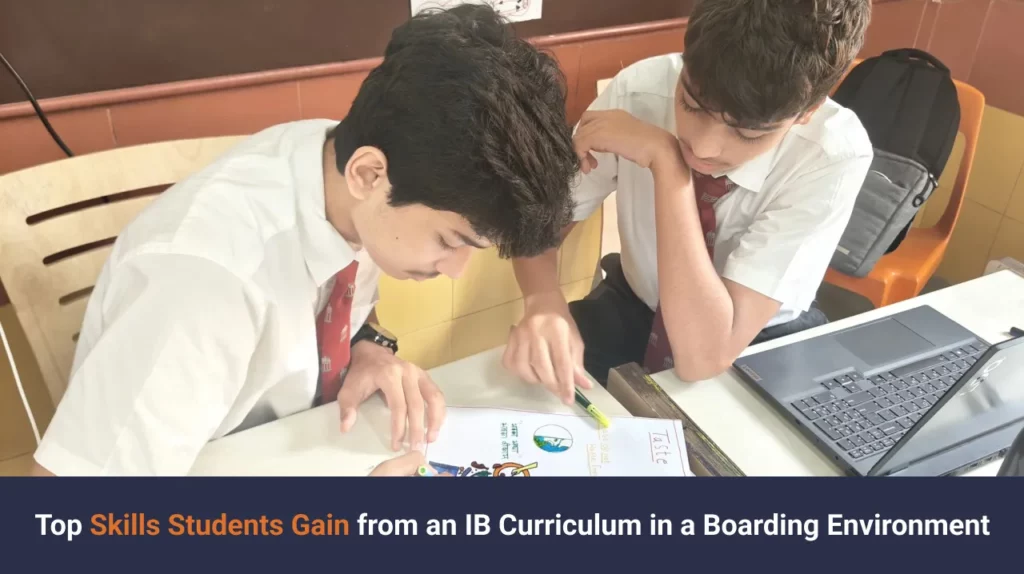
Introduction If a curriculum emphasises only academics and neglects skill development, it may be time to reconsider your decision to enrol your child in that institution. Sounds harsh, but this is the reality. The curriculum of any institution needs to be an agent for your child’s skill development. While we agree that academia makes half of the child’s overall development, it still requires skill development to make a complete, learned child. This becomes essential in the boarding environment too. The International Baccalaureate (IB) is more than a curriculum; it’s a philosophy designed to cultivate curious, knowledgeable, and caring young minds. It is an experience of a lifetime for your child that will transform their school years into profound personal and academic growth. Top IB boarding schools in Mumbai offer exactly this balance. It ensures that your child grows into a confident, capable, and compassionate individual. Top Skills Students Gain from an IB Curriculum in a Boarding Environment Academic & Cognitive Skills The IB framework is built on a foundation of inquiry-based learning, encouraging your child to: Ask questions Challenge assumptions Connect ideas across different subjects. Instead of memorising facts, your child will learn to think like a researcher, especially when tackling major projects. In a boarding setting, this academic curiosity doesn’t end when the bell rings. Late-night discussions with peers in the common room or collaborative study sessions in the library sharpen critical thinking and analytical abilities around the clock. Communication & Collaboration Skills From presenting your Theory of Knowledge (TOK) exhibition to debating ideas in a dorm meeting, the IB and boarding life constantly push your child to articulate thoughts clearly and listen to others. Group projects are central to the IB. Your child will learn to navigate different working styles, resolve conflicts constructively, and build consensus skills. Time Management & Self-Discipline Here’s where the boarding environment truly shines. Without parents to set a schedule, the child becomes the master of their own time. Juggling IB coursework, co-curricular activities, sports, and social life requires exceptional self-discipline. Your child learns to prioritise tasks, set realistic deadlines, and manage energy effectively. This nurtures responsibility and independence at a young age. Emotional & Social Intelligence Living in a diverse community of peers is a powerful lesson in empathy and resilience. Your child will: Develop friendships Resolve disagreements Learn to appreciate perspectives completely different from their own This constant social interaction builds emotional intelligence (EQ), helping them become more self-aware and compassionate. Global Awareness & Cultural Competence The IB curriculum has a strong international focus, encouraging your child to engage with global issues. The student body at leading IB boarding schools in Mumbai is often just as international. Living and learning alongside students from different countries and cultures breaks down stereotypes and builds genuine global competence. Life Skills & Independence Beyond academics, boarding school teaches you how to live independently. Your child will learn practical skills like managing laundry, budgeting pocket money, and taking responsibility for their own well-being.This newfound independence strengthens self-discipline alongside confidence. Conclusion The unique combination of academics and community living in the IB curriculum equips your child with a powerful toolkit of skills. Be it critical thinking or emotional intelligence, or emotional resilience, your child will learn it all here. It’s a transformative experience that prepares them not just to succeed in exams but to thrive in life. Hence, the IB curriculum in a boarding environment is an investment in a holistic education system.
How Residential Schools Foster Digital Discipline in the Age of Smartphones

Table of Contents What is Digital Discipline? Digital discipline is all about finding the right balance in how children use technology. In today’s world, screens are everywhere; phones, tablets, laptops, etc. While they bring endless opportunities to learn and explore, they can also be distracting. Digital discipline teaches children to wisely use technology by defining healthy limits on screen time and encouraging mindful, purposeful use of digital tools. It is less about restriction and more about responsibility; helping students build focus and creativity in an online world. At MIT Gurukul, we nurture digital discipline as a balanced life skill, ensuring learners grow up tech-savvy, focused and future-ready. How Residential Schools Foster Digital Discipline in the Age of Smartphones The rise of smartphones has transformed how children and teenagers interact with the world. While access to digital tools supports learning, entertainment and communication, it also brings challenges. Excessive screen time, poor online habits and early exposure to unsuitable content can affect a child’s emotional and academic development. Therefore, digital discipline becomes a necessary part of education. Through structure, mentoring and a values-based approach, they guide students towards responsible digital behaviour. Particularly, residential schools in Maharashtra are setting examples by balancing screen use with holistic development. Understanding Digital Discipline Digital discipline refers to the conscious regulation of screen time and digital interactions. It includes knowing when, how and why to use technology. It helps children use digital tools for meaningful learning while avoiding distractions. This concept forms a vital part of overall discipline in schools, ensuring that students grow up with strong internal boundaries around screen use. Structured Schedules Encourage Balanced Tech Use In a residential setup, routines shape student life. Scheduled study hours, extracurriculars, mealtimes and rest periods leave limited room for random or prolonged screen time. Children understand that gadgets serve a purpose and that their use should align with priorities. These schedules teach students to be mindful, not reactive, in their approach to technology. Creating Smartphone-Free Zones and Times To reinforce this, many residential schools designate areas and times where smartphones are not allowed. Dining halls, assembly grounds, and dormitories often remain phone-free. This encourages social bonding, face-to-face interaction and better sleep patterns. Such measures help students shift focus away from digital distractions and build deeper in-person connections. Role of Mentors and Houseparents Mentors and houseparents play an essential part in setting expectations. By modelling balanced digital habits and having open conversations, they offer real-time feedback. These adults are present throughout the day, observing how students interact with devices. Their guidance ensures that digital boundaries are respected without relying on punitive methods. Tech with Purpose: Integrating EdTech the Right Way Technology is not avoided altogether. Instead, it is introduced with clear academic intent. Interactive tools are used during study sessions, online resources support research, and digital submissions encourage efficient communication. Students learn that tech has a time and a place. This approach prevents overreliance on devices and supports responsible usage. Life Skills and Digital Citizenship Programs Many residential schools in Maharashtra have introduced life skills classes that include online safety, digital footprints and cyberbullying. These sessions teach children to evaluate what they consume and how they respond to online content. With awareness, students are more likely to pause before clicking, sharing or reacting. They become thoughtful digital citizens equipped for the future. Parental Collaboration in Digital Discipline Even with students living away, parents remain partners in the process. Regular communication between school and home helps maintain consistency. Parents are kept informed about the school’s digital guidelines and encouraged to follow similar practices during holidays. This alignment reinforces what students learn during term time and prevents mixed messaging. Long-Term Benefits of Digital Boundaries Children raised with clear digital boundaries often perform better academically, sleep more soundly and show greater emotional resilience. They form healthier relationships and are less prone to digital fatigue. Over time, they internalise these boundaries, carrying them into adulthood and their careers. The self-regulation they learn becomes part of who they are, not something imposed. Screens are everywhere. But when children are given structure, support and education, they learn to use technology wisely. Through their routines, mentors and thoughtful programmes, schools are fostering a generation of responsible digital users. The lessons taught within their campuses reach far beyond school walls, shaping habits for a lifetime.
Top Health & Safety Measures Every Nursery School Must Follow

Introduction “Safety First!” Looks like this phrase has taken a backseat with all the academic pressure surrounding our children, and that is threatening. For parents and guardians, entrusting young children to a nursery school is a big step filled with hope and some anxiety. Ensuring the health and safety of these curious toddlers is far more than a tick-box exercise. The best nursery schools in Pune stand out by setting high standards that safeguard every child. This blog will churn out the essential measures that define a truly safe nursery environment, offering peace of mind to you, parents. So that you can bestow your confidence on staff and provide a joyful, secure beginning for your child. Top Health & Safety Measures Every Nursery School Must Follow Safe and Hygienic Infrastructure The physical setup of a safe nursery school must prioritise child-friendly architecture, secure play zones, and spotless facilities. Flooring should be anti-slip, furniture round-edged, and all toys regularly sanitised. Leading nursery schools in Pune invest in CCTV surveillance, secure entry points, and childproof fixtures, ensuring that play and learning can happen freely in a protected space. Trained and Qualified Staff A safe school begins with knowledgeable adults. Well-prepared staff are every parent’s ally in keeping little ones out of harm’s way. Staff need credentials in childcare and regular first-aid certifications, supported by ongoing training in child safety protocols. From recognising allergy symptoms to responding swiftly during emergencies, they have to be doing it all. Health and Hygiene Practices “Cleanliness is next to godliness.” Frequently sanitising toys, daily disinfection of restrooms, and structured hand-washing routines prevent germs from gaining ground. Following basic preschool health tips, such as teaching children not to share personal items. Monitoring classroom temperatures in nurseries can halt infections before they start. Food Safety and Allergen Management Tots need wholesome meals that spark energy, not allergies. Nurseries should offer balanced menus with careful label checks and have clear policies for handling allergens. Smart tiffin ideas for toddlers include allergy-safe snacks and a variety of fruits and vegetables, prepared in hygienic kitchens and supervised during meal times. Emergency Preparedness and Safety Drills Be it a fire or an earthquake, every nursery must have actionable emergency protocols that are regularly drilled. Evacuation plans are clearly posted, exits remain unobstructed, and mock drills make children and staff familiar with procedures. Staff also learn how to deal with medical emergencies smartly and calmly, whether it’s a minor scrape or an asthma attack. Emotional Well-being and Separation Anxiety Physical safety matters, but emotional health is just as important. Starting nursery can spark separation anxiety in toddlers; schools should handle this transition gently. Trained staff use comforting routines, allow gradual acclimatisation, and keep in close touch with families during those first weeks. A supportive environment where feelings are respected helps children feel truly safe and builds lifelong trust. Parental Involvement and Transparent Communication Open lines between nursery and parents’ mutual assurance. This ongoing partnership not only reassures parents but keeps children’s safety as a shared priority. Nurseries share daily updates sometimes via apps or diaries on children’s health, mood, meals, and activities. Parents are welcomed at regular meetings, encouraged to discuss concerns, and given opportunities to participate in school events and safety planning. Conclusion High health and safety standards are non-negotiable in early education. As you explore nursery schools in Pune, look for those that champion these measures, making a safe nursery environment their top promise. Thorough hygiene, skilled staff, robust food oversight, emergency readiness, attention to emotional well-being, and parent-school teamwork all come together to nurture happy, secure children. The first steps out of home should be onto ground that’s not only fun but fundamentally safe.
Technology Integration in CBSE Residential Schools in Pune
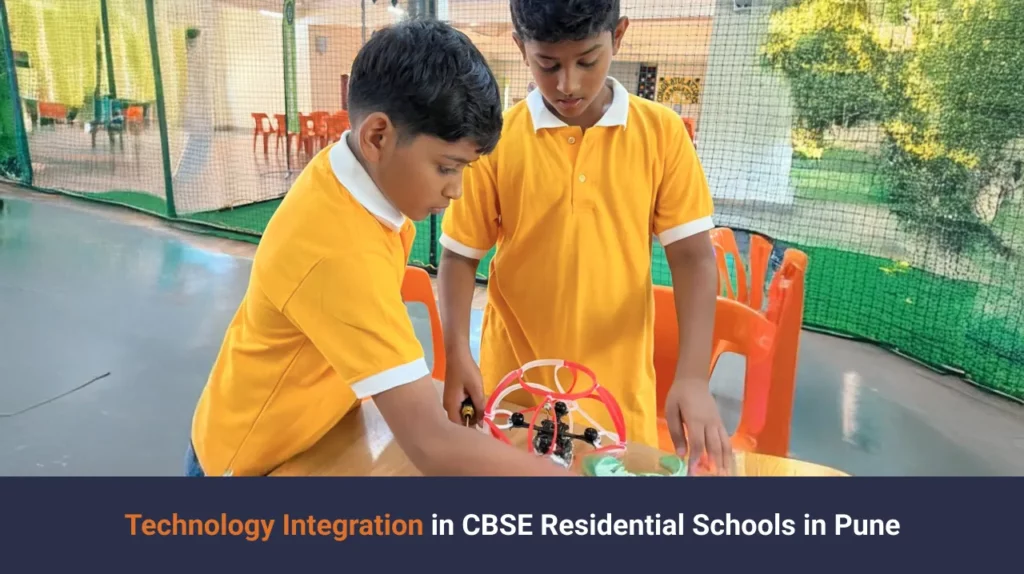
Introduction If you want to measure the progression of technology today, the best way to do so is to notice its significance in the educational sector. In the early 2000s, smart boards became a widespread phenomenon in classrooms that opened forums for interactive learning methodologies. This was remarkable because it was observed that the students’ engagement with the curriculum increased by 20%-30%. Today, most residential schools in Pune CBSE are highly aligned with the NEP 2020 in terms of technology integration in classrooms. These schools invest in digital infrastructure and develop e-content that can be accessed by students from anywhere, anytime. With that said, let us introduce you to MIT Gurukul, an educational hub that amplifies learning by stressing on quality technological integration in classrooms. We make sure that we tap into the latent potential of our students by combining diverse learning methods. The Need for Technology in CBSE Residential Education It looks like the world has undergone a revolution in education, and now it cannot hold on to just traditional ways of learning. While many believe traditional methods have advantages over modern approaches, their effectiveness ultimately depends on how they are applied. A smart usage of technology in education will always surpass traditional methods of learning. CBSE residential schools that embed devices, platforms, and maker spaces into daily routines ensure pupils build digital fluency alongside academic skills. This is very important because it enhances the child’s computational abilities in the long run. What Are the Key Areas of Technology Integration in CBSE Residential Schools? Smart Classrooms With touch-enabled smart boards, teachers can zoom into a 3-D heart model during biology or replay a historical battle map, offering students instant, interactive clarity. Online Learning Platforms Revision notes, quizzes, and tutorial videos will now be available 24/7. Cloud-based Learning Management Systems (LMS) let your child revisit a tricky algebra lesson at midnight. Teachers could monitor progress dashboards to provide timely feedback. STEM & Robotics Labs Hands-on experimentation turns abstract theories into concrete skills. From programming to 3-D printing, these labs hone creativity and critical thinking in your child. Digital Libraries E-libraries grant access to thousands of journals, e-books, and multimedia archives. Advanced search tools let your child filter resources by difficulty level, topic, or publication date. Impact on Academic & Skill Development Technology integration in CBSE residential schools in Pune has a positive impact on the academic and skill development of students. Interactive visuals in smart classrooms improve conceptual clarity, especially in subjects like science. The child can grasp complex processes like the water cycle through animated simulations rather than just diagrams. With technology integration, a simple group project becomes highly participatory, where each student engages and collaborates as a team. It also helps students build essential digital literacy skills that are highly valued in the academic and, further, in the professional world. It hones the child’s research skills, too, as the student now has the means to surf through and find out more valuable information on a given topic at their fingertips. Technology not only supports deeper research capabilities but also prepares students with the practical skills required for future careers The most forward-looking residential schools in Pune CBSE have made a deliberate shift from viewing technology as an add-on to embracing it as one of the central pillars of education. Conclusion The integration of smart classrooms, online platforms, STEM & robotics labs, and digital libraries has developed an ecosystem where curiosity thrives and futures are forged. When you step onto a campus that lives and breathes digital innovation, you are not merely preparing for examinations, but you are rehearsing for the future possibilities.
The Ultimate Learning Companion for Young Minds: Fun, Facts and Foundational Knowledge
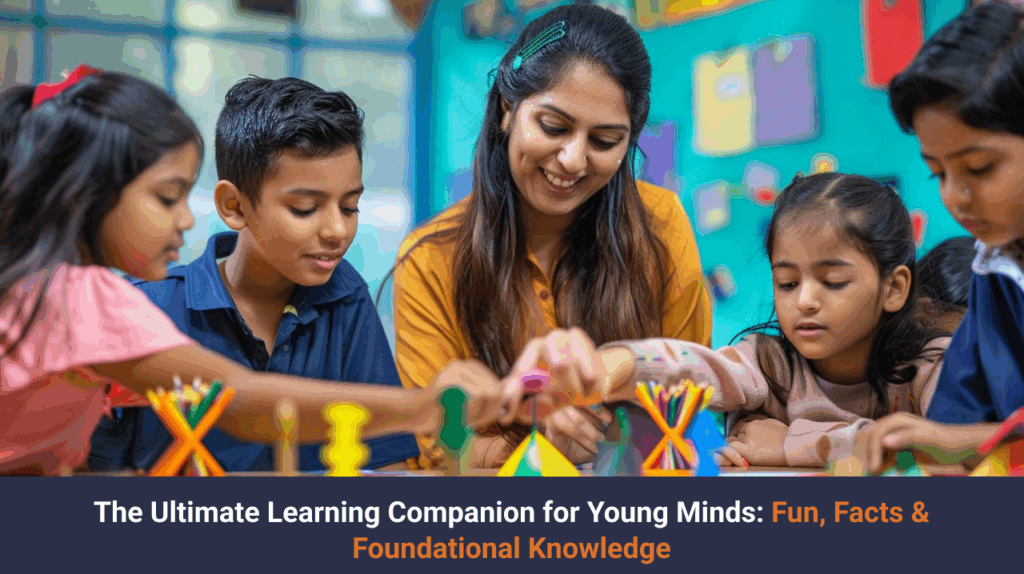
Learning Beyond the Textbook Children grasp the world best through wonder, not worksheets—true education blossoms when a child explores beyond the rigid outlines of traditional lessons. Let’s be real—kids these days don’t just want learning to be fun, they expect it. Bright colours, games, sounds, stories—they soak it all in. Giving children a head start with playful and varied experiences helps them become sharp, curious thinkers. It’s also one of the smartest ways to build strong reading habits, the silent superpower behind every academic win. Fun with Foundational Concepts Introducing children to abstract ideas early on builds their analytical skills. Making math and science playful and exciting creates a love for logic. One powerful concept that can anchor early numeracy is the discovery of zero and its origin in Indian mathematics. Framed as a fascinating story, this topic introduces history through numbers, making math meaningful. Long before calculators ruled classrooms, a spark of genius lit up the Indian subcontinent — and it was shaped like a zero. Now imagine that story coming alive through cheeky puppets or animated scrolls unravelling ancient secrets with a twinkle of humour. Kids embark on a curious journey. Add to that some delightful games — like reverse counting races or spotting the ‘nothing’ among a group of somethings — and voilà, abstract ideas suddenly feel like play. And while we’re at it, why not take a walk and spot triangles on rooftops or circles in bicycle wheels? Shapes are everywhere — waiting to say hello. Use everyday objects to teach circles, triangles, and squares. Shape hunts around the home or garden keep kids alert and observant. Incorporating fun ways how to teach shapes to preschoolers helps with spatial reasoning. To sharpen problem-solving, engage children with math riddles for cognitive stimulation. Puzzles develop persistence and lateral thinking. Each solved riddle builds confidence, turning problem-solving into a rewarding game rather than a dreaded chore. You might try a riddle-a-day challenge, encouraging discussion and teamwork. Knowledge Through Culture and History Children connect better with history when it feels personal and alive. Introduce them to Indian heritage through key personalities who shaped our identity. Discussing the works of poets like Rabindranath Tagore or Sarojini Naidu introduces rhythm, emotion, and cultural wisdom. Activities like poetry recitation or composing short rhymes help children express themselves while learning about their roots. No cultural exploration is complete without teaching interesting facts about freedom fighters. Their courage and ideals make them more than historical figures; they become role models. Encourage kids to reflect on their values, ask questions, and even act out short skits based on iconic events in our independence journey. Children could create freedom-fighter fact cards, timeline posters, or even write a diary entry from a leader’s perspective. These creative exercises nurture empathy, deepen understanding, and bring history to life. Science and Nature Awareness for Kids The human body is a wonderland, and understanding it builds respect for health and empathy. Start with the basics of human anatomy made simple. Instead of textbook jargon, use engaging visuals and activities like DIY body charts. This helps children understand how their bodies work, from the heart’s rhythm to how food gives energy. Labelling parts of the body through sticker games or drawing activities encourages hands-on participation. Children could also explore their senses through games like “Guess the Smell” or “Texture Touch,” making biology interactive. Nature holds equally captivating lessons. The animal world and their natural habitats show the diversity of life and the balance of ecosystems. Use relatable examples to explain animals and their shelters. Ask questions like “Where does a lion live?” or “Why do birds build nests?” These prompt children to think critically and observe their surroundings. You can even simulate animal homes using craft projects or storyboards. Through such immersive activities, science moves beyond memorisation and becomes discovery. Consider nature walks, bird-watching journals, or virtual safaris to introduce children to diverse habitats across continents. Storytelling and Reading: Pathways to Imagination Few tools are as effective as stories for learning and emotional growth. Why stories play a vital role in learning and moral development lies in their ability to convey lessons without preaching. Characters and scenarios act as mirrors through which children understand the world. Stories introduce ethical dilemmas, emotions, and social scenarios that help children build moral intelligence. Parents and teachers can explore creative storytelling techniques to try at home or school. Use voice modulation, puppetry, or shadow play. Story cubes or comic strips help children take charge of narrative creation, fostering imagination. Role-playing well-known folktales or mythological stories can also stimulate group participation. This enhances listening, speech, and emotional expression. With every session, kids begin to see storytelling as an outlet for creativity. Another invaluable habit to nurture is building lifelong reading habits early. Introduce books that match a child’s interests—mysteries, folk tales, science adventures. A reading nook, a small reward system, or reading aloud as a bedtime ritual helps make reading delightful. Over time, this transforms passive listeners into proactive learners. Encourage children to maintain their journals, summarising stories or drawing their favourite characters. Libraries and reading clubs also provide motivation and peer-driven excitement around books. Health and Habits: Essential for Learning Before dawn breaks, sleep plays its quiet magic on a child’s world—shaping their smiles, sharpening memory, and fine-tuning attention. When rest is cut short, little tempers rise and focus falters. That’s where the comfort of a consistent bedtime ritual becomes a silent hero. A chart pinned on the wall, a favourite lullaby in the background, or a soothing tale whispered under dim lights can gently guide young minds into dreamland, making space for calmer mornings and brighter learning days. A good night’s rest directly supports memory retention and alertness during lessons. Another cornerstone is establishing healthy habits for focused learning. These include balanced nutrition, regular physical activity, and screen-time moderation. Encourage hydration, short play breaks during studying, and mindfulness techniques like breathing exercises. Yoga, stretching, and nature-based activities during breaks can help children refocus and reduce
The Modern Parent’s Guide to Nurturing Holistic Growth in Children

The Changing Landscape of Parenting Today Modern parenting has evolved into a dynamic balancing act. The focus has shifted, beyond providing basics, parents now build emotional resilience, sharpen social instincts, and help their children stay anchored in a digital tide. Managing all this while maintaining one’s career and well-being creates constant pressure. That’s why a holistic, collaborative approach becomes indispensable. It’s no longer a solo journey. Support networks, including teachers, extended family, and even digital resources, now play a critical role in raising a child. This guide aims to walk parents through practical, sustainable parenting tips for working parents, helping them make knowledgeable decisions about early childhood education, and raise brilliant, qualified individuals. Navigating Modern Parenting Challenges Deadlines chase daylight, dinner simmers on the back burner, and somewhere in between, self-care disappears. When roles blur, parent, professional, and provider, the heart strains, and children sense the fracture. Meanwhile, screens glow longer than sunsets, stealing sleep, blurring connections, and dulling emotion. Managing digital consumption has become one of the biggest modern challenges. Setting gentle boundaries while offering richer choices, stories by candlelight, a stroll under the sky, and a spontaneous game, brings balance home. Children echo what they sense. A tense or withdrawn parent becomes a silent lesson. But when homes showcase honest conversations, unhurried time, and shared laughter, children become strong. Structure, screen-free moments, and open hearts strengthen those roots. Families flourish when they lean into the work together. The Power of Early Childhood Education In the tender hush of childhood’s dawn, the mind blooms—wild and swift. Like tiny rivers, neural pathways etch themselves into being, shaping how a child feels, reacts, and understands the world. Among life’s most profound choices is the quiet, purposeful decision to invest in early education. Within the rhythm of play and the texture of group discovery, preschool education becomes a dance between curiosity and structure, where little hands and big ideas grow side by side. As each child navigates the small society of the classroom, they begin to mirror humanity—practising kindness, sharing space, and solving tiny conflicts with growing grace. The vast benefits of early childhood education echo in better speech, sharper focus, and a budding mastery over emotion. It instils in children a sense of discipline and responsibility at a stage when their minds are most malleable. Choosing the right preschool involves evaluating the curriculum, educator qualifications, and environment. A nurturing space with engaged staff can lead a child to lifelong learning and emotional wellness. Empowering Children for a Better Future Assigning suitable responsibilities in the early years nurtures confidence and emotional strength. Gentle moments, such as choosing an outfit, packing essentials for the day, or stirring ingredients, shape a child. These actions signal to the child: “You are capable.” Empowered children stand up for themselves, express opinions respectfully, and take initiative in unfamiliar situations. These are life skills that transcend classrooms and prepare them for real-world challenges. Parental support is key. Applaud their wins, welcome the slip-ups, and talk it through. These moments build resilience. Such thoughtful guidance fits seamlessly with the heart of education, where classrooms nurture bold voices and homegrown confidence. In this way, children are equipped not just to succeed, but to thrive. Role of Spiritual and Moral Grounding In a fast-spinning world, stillness is a gift. A child, hands folded in the morning light, begins with a deep breath, a word of thanks, or a gentle chant. These moments become moorings—steady in storms of growing up. Focus blooms. Empathy awakens. Stories told through preschool education leave echoes of kindness and calm. Group reflections plant seeds of virtue, watered daily by rhythm and care. And slowly, like dawn, resilience rises. Building Strong Parent-Teacher Partnerships The most successful educational journeys begin with collaboration. Touching base with educators regularly becomes a window into a child’s world, their quiet triumphs, tricky turns, and everything in between. This feedback loop helps tailor strategies that benefit the child holistically. For instance, if a child struggles with concentration, home and classroom routines can be adjusted to provide consistency. Effective parent-teacher collaboration involves more than annual meetings. It requires open channels, weekly updates, feedback sessions, shared journals, or digital platforms, to keep everyone informed and engaged. Institutions like the best preschool in Pune have adopted such practices to ensure parents actively participate in their children’s learning. When parents are involved, children are more motivated, socially aware, and academically confident. Nutrition for Young Minds and Bodies Children’s bodies and brains are constantly developing. The foundation of a sharp mind and resilient body lies in what we feed them. When the plate is filled with wholesome, nutrient-rich choices, memory sharpens, focus holds steady, moods remain balanced, and the immune system stands tall. But feeding children isn’t always easy. The trick lies in creativity. Involve children in grocery shopping or meal prep. Offer bite-sized options, use cookie cutters for sandwiches, or build stories around vegetables to make meals engaging. You don’t have to form battles at the dinner table. Let broccoli sneak in next to mashed potatoes, and carrots mingle with cheesy pasta. When curiosity replaces pressure, tiny taste buds begin to wander. Before you know it, mealtimes turn into miniature adventures, sprinkled with surprise and joy. Good habits formed during early childhood are likely to stay for life. Schools can reinforce these values through nutrition education, gardening activities, or healthy snack days. A collaborative approach helps children view food as fuel, not as a reward or punishment. Role of Extracurriculars in Holistic Development Children are multifaceted. While academics are critical for growth, extracurricular activities complete the picture. Art, music, theatre, sports, and community service allow children to explore identity, emotions, and purpose. Participation in these activities builds soft skills: time management, teamwork, communication, and leadership. It also allows children to fail safely and learn resilience. Creative outlets become safe spaces for expression. Children who struggle with academics may find joy and success in dance or painting, which boosts confidence and overall well-being. Schools that prioritise extracurricular offerings