


Introduction
A well-structured student daily routine is essential for academic success and personal development. Students who follow a disciplined schedule tend to perform better in studies, manage time effectively, and develop productive habits. Whether studying in IB board schools in Pune or any other educational institution, maintaining an effective study schedule can make a significant difference in achieving academic and extracurricular goals.
What Is an Effective Student Daily Routine for Student Success?
Understanding the Student’s Daily Needs
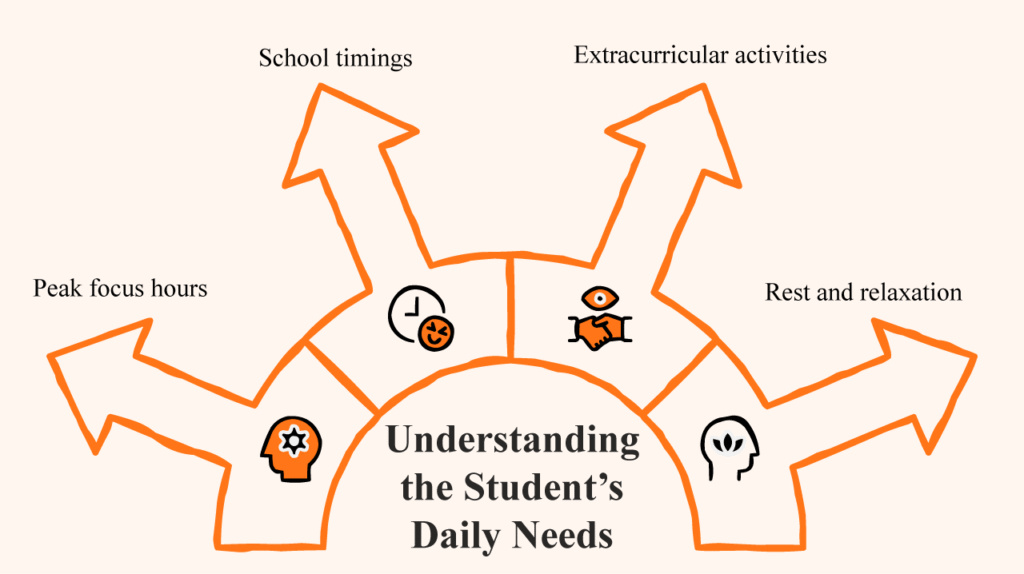
Every student has unique learning patterns, energy levels, and commitments. To plan a productive routine, it is crucial to identify individual needs. Consider the following factors:
1. Peak focus hours: Identify when you feel most alert and schedule study sessions accordingly.
2. School timings: Ensure your study plan complements your school schedule.
3. Extracurricular activities: Balance academics with hobbies and sports for overall development.
4. Rest and relaxation: A well-rested mind enhances learning efficiency.
A student’s daily routine should align with these factors to maximise productivity and success.
Creating a Balanced Study Schedule
An effective study schedule helps students manage their coursework efficiently. Here are key strategies to develop a structured timetable:
1. Prioritise subjects: Allocate more time to challenging subjects while maintaining consistency in all subjects.
2. Use the Pomodoro technique: Study in focused intervals (25-50 minutes) with short breaks to improve retention.
3. Incorporate active learning methods: Use mind maps, flashcards, and group discussions to enhance comprehension.
4. Review and revise: Schedule time for daily revisions to reinforce concepts and improve long-term memory.
Incorporating Extracurricular Activities
Success is not just about academics; extracurricular activities play a crucial role in a student’s holistic development. Activities such as sports, music, and art foster creativity, teamwork, and leadership skills. To include extracurriculars in a daily routine:
1. Dedicate time slots for activities that interest you.
2. Ensure these activities do not interfere with your study schedule.
3. Participate in school clubs or competitions to enhance practical skills.
Time Management Strategies for Students
Effective time management is essential for students to balance their academic and personal lives. Here are some practical strategies:
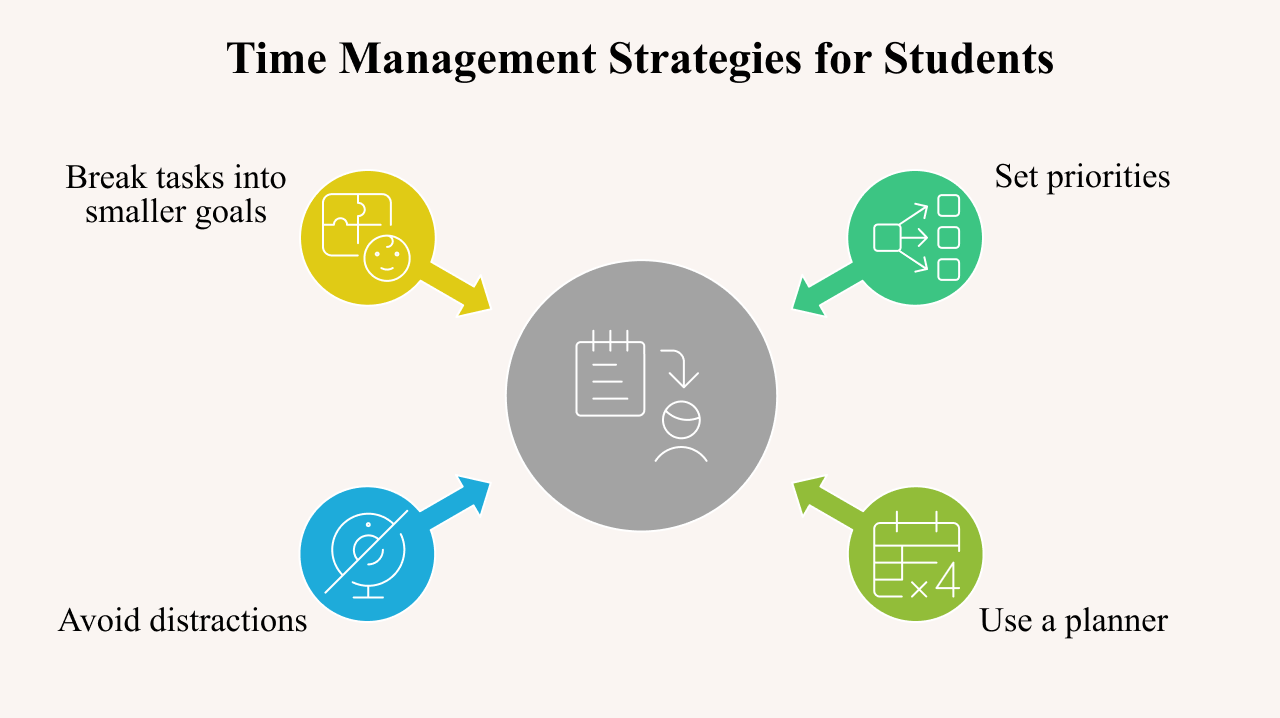
1. Set priorities: Identify urgent and important tasks to avoid procrastination.
2. Use a planner: Maintain a digital or physical planner to track assignments, tests, and deadlines.
3. Avoid distractions: Limit social media usage during study hours to stay focused.
4. Break tasks into smaller goals: Large tasks can be overwhelming; breaking them down makes them more manageable.
Setting Realistic Goals and Tracking Progress
Success tips for students include setting achievable academic and personal goals. When planning a routine:
1. Define clear objectives: Set short-term and long-term goals for studies and personal growth.
2. Track progress: Regularly evaluate achievements and adjust study techniques if necessary.
3. Celebrate milestones: Reward yourself for completing tasks, which motivates you to stay on track.
The Power of Healthy Habits in a Daily Routine
Incorporating healthy habits into a student’s daily routine enhances overall well-being. Some beneficial habits include:
1. Adequate sleep: Ensure at least 7-8 hours of rest for better concentration.
2. Nutritious diet: Eating balanced meals improves cognitive function and energy levels.
3. Regular exercise: Physical activity boosts focus, reduces stress, and enhances mood.
4. Mindfulness practices: Techniques like meditation and deep breathing help manage academic pressure.
Adjusting the Routine for Maximum Efficiency
An effective routine should be flexible enough to accommodate unexpected changes. To ensure continuous improvement:
1. Assess effectiveness: Evaluate what works best and make necessary modifications.
2. Stay adaptable: Adjust study hours during exam periods or special events.
3. Seek guidance: Consult teachers, mentors, or parents for personalised success strategies.
Conclusion
A well-planned daily routine is a foundation for student success. By creating an effective study schedule, managing time efficiently, and maintaining productive habits for students, one can aid in achieving academic excellence and personal growth. IB board schools in Pune and other institutions emphasise structured learning approaches to help students develop discipline and resilience. With a strong routine, students can navigate challenges effectively and set themselves on the path to success.