

Key Takeaways
- Career counselling helps students identify their interests, strengths and aptitudes to make informed academic and career decisions.
- Class 10 and Class 12 are important decision-making stages for selecting streams, courses and future career pathways.
- Students can explore Science, Commerce, Humanities, Arts, vocational courses and other options based on their interests and eligibility.
- Career counselling supports self-awareness, goal-setting, confidence, informed decision-making and constructive parent-student discussions.
- Online and in-person counselling can both be effective when supported by qualified counsellors, reliable assessments, personalised guidance and follow-up.
- Students can access free career guidance through schools, government resources such as the National Career Service, workshops and non-profit organisations.
- Parents and schools can support career planning by encouraging exploration, sharing reliable information and avoiding pressure or imposed preferences.
- MIT Vishwashanti Gurukul World School supports career exploration through phased guidance, aptitude assessments, individual counselling, parent orientations and an annual University Fair.
- Students should research course eligibility, entrance exams, costs and admission requirements before making decisions, and revisit their plans as their interests evolve.
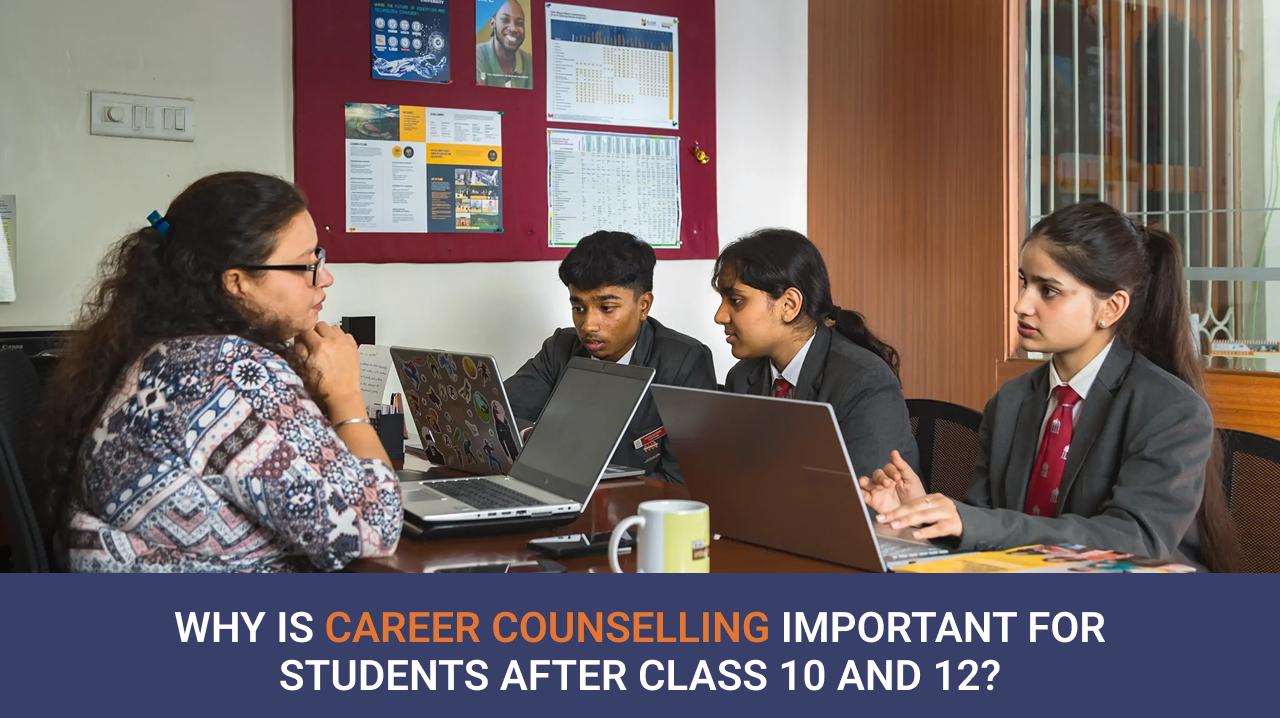
Career counselling helps students understand their interests, abilities and strengths, then match them with real opportunities. It replaces guesswork with informed choices and gives families a clear way to talk about the future.
Two key moments in education occur after the tenth grade, when students select a stream, and after the twelfth grade, when they choose a course or pathway. After these decisions, their education and career paths will take shape. As such, these two moments should not be influenced by peers or the media. Furthermore, this early clarity reduces stress for family members while boosting the student’s confidence from day one.
Parents, teachers, and institutions like MIT Gurukul can support informed exploration. In this way, when adults listen and offer advice afterwards, career counselling for students will be calm and to the point instead of a rushed affair.
What Is Career Counselling and How Does It Help Students?
It is a structured conversation, backed by assessments, that connects a student’s profile with study and work options.
What Does Career Counselling Include?
- Interest and aptitude assessments
- Personality and strength evaluation
- Academic stream selection
- Career exploration and planning
- Guidance about higher education and professional pathways
Who Can Benefit from Career Counselling?
- Students completing Class 10 or 12
- Students exploring different academic streams
- Students unsure about their future careers
- Parents seeking informed support for their children
Why Is Career Guidance After Class 10 Important?
Class 10 is the first big fork in the road. UDISE+ data, as analysed by Prof. Arun C. Mehta, show the transition from secondary to higher secondary rose from 75.1% in 2024-25 to 78.1% in 2025-26.
How Can Career Counselling Help Students Choose the Right Stream?
The streams available vary a lot. Science relies on mathematics and physical sciences. Commerce demands an understanding of business, accounting and economics. The Humanities and Arts cover both languages, social sciences and creative disciplines. In vocational streams, students acquire practical knowledge needed to secure a job. Good career counselling after Class 10 will definitely help students choose a stream.
What Career Options Can Students Explore After Class 10?
Each stream offers different opportunities, and no stream is superior to the rest.
- Science stream
- Commerce stream
- Humanities and Arts
- Vocational courses
- Diploma and other options
Important note: Eligibility requirements vary in different institutions, so check them before you choose.
What Mistakes Should Students Avoid When Choosing a Stream?
The most common mistakes made by students are as follows:
- Following their friends’ decisions without taking their own interests into consideration;
- Choosing a stream based on what other people think;
- Ignoring their capabilities and academic proficiency;
- Focusing only on the future salary;
- Not performing any research on further education.
A counsellor-led plan helps students avoid all these traps, which is why career counselling after 10th is worth starting early.
Why Is Career Guidance After Class 12 Important?
After Class 12, choices become more specific and costly. A poor course fit can mean lost time, money and motivation. Early research keeps better options open.
How Can Career Counselling Help Students Select a College Course?
Students can compare courses by interest, eligibility, curriculum, cost and future opportunities. A counsellor helps them look beyond brand names and ask what each course actually teaches.
Which Career Paths Can Students Consider After Class 12?
| Pathway | Example Options |
| Science | Engineering, sciences, healthcare-related courses, technology |
| Commerce | Accounting, finance, economics, business management |
| Humanities/Arts | Psychology, social sciences, media, law, design |
| Vocational and skill-based | Industry-specific diplomas and professional training |
Eligibility and admission prerequisites depend on the institution and the course.
Good career counselling after 12th helps students evaluate options and choose courses aligned with their career goals.
How Does Career Counselling Help Students Plan Long-Term Goals?
The ways in which career counselling benefits students regarding their long-term careers are:
- Identifying courses and qualifications
- Understanding entrance tests and qualifications
- Knowing about career growth opportunities
- Formulating realistic plans
It is very likely that students plan well if they think ahead for three to five years.
What Are the Main Benefits of Career Counselling for Students?
- Enhanced self-awareness: gain insight into interests, skills, and likes.
- Informed decision-making: consider academic and career choices.
- Lowered confusion: develop options into a simple plan.
- Goal-setting: set short- and long-term goals.
- Awareness of possibilities: explore the unknown paths.
- Higher level of confidence: make decisions based on facts.
- Parent-student agreement: promote positive discussion on the future.
These gains build at every stage, from stream selection to career counselling after 12th.
How Does Online Career Counselling Compare with In-Person Counselling?
Many families are considering these two options. Neither is better; what matters is what works best for the chosen student. Depending on comfort, schedule, and other needs, a student may need to participate in either type of class, especially if their parents want to join.
| Factor | Online counselling | In-person counselling |
| Accessibility | Can be accessed remotely | Requires visiting a counsellor or centre |
| Convenience | Flexible scheduling may be available | Depends on appointment availability |
| Interaction | Video, phone or online assessments | Direct face-to-face discussion |
| Resources | Digital reports and online tools | Printed or digital resources |
| Suitability | Students who prefer remote support | Students who prefer personal interaction |
Is Career Counselling Online Effective for Students?
Yes, career counselling online can work well. Effectiveness depends on the counsellor’s qualifications, the quality of assessments, personalised advice and follow-up support, not simply the delivery method.
How Can Students Choose a Reliable Online Career Counsellor?
- Check qualifications and experience
- Ask about assessment methods
- Understand services and fees
- Check privacy policies for personal information
- Confirm whether follow-up support is available
Can Students Get Free Career Counselling?
Many students can start without paying, and several routes exist. The National Career Service (NCS), run by the Ministry of Labour and Employment, offers free online counselling and Model Career Centres, with information on over 3,000 career options across 53 key industries. Schools and non-profits also run sessions. Together, these make career counselling for free a realistic first step for most families.
Where Can Students Find Free Career Counselling for Students?
- School-run guidance programmes
- Government education and career information resources
- Educational institutions offering free counselling sessions
- Career awareness workshops and webinars
- Non-profit organisations providing student support
Is Free Career Counselling Enough to Choose a Career?
Free resources help students begin exploring options. Use them as a starting point, then add expert support where needed. Depending on their circumstances, students may need more personalised help later.
What Should Students Check Before Using a Free Career Counselling Service?
- Counsellor credentials
- Transparency about charges
- Assessment quality
- Privacy and data protection
- Whether recommendations are personalised
How Can Parents and Schools Support Students in Career Planning?
What Role Do Parents Play in Career Guidance?
- Listen to the student’s interests.
- Discuss realistic education options.
- Avoid imposing personal preferences.
- Encourage research and practical exploration.
- Consider aptitude, wellbeing and goals.
Parents who follow these steps offer supportive, not forced, career guidance.
How Can Schools Encourage Career Exploration?
- Organise career awareness sessions.
- Invite professionals to share industry experiences.
- Share information on courses and qualifications.
- Encourage skill-building and extracurriculars.
- Point students to counselling resources.
How Can MIT Gurukul Encourage Students to Explore Their Future Careers?
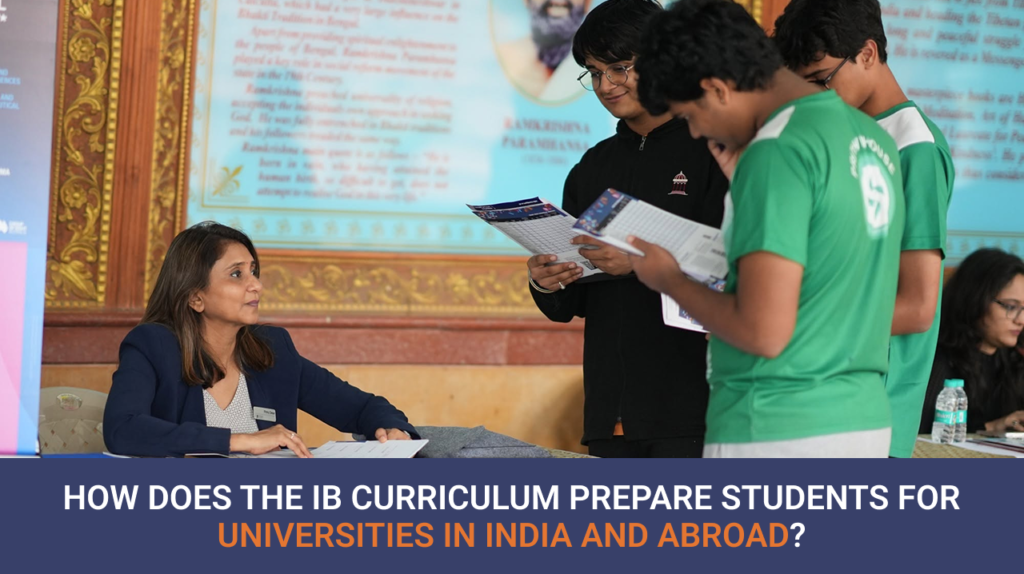
MIT Vishwashanti Gurukul World School, an IB World School in Pune, runs a phased guidance and counselling programme: self-awareness in Grades 8 and 9, subject and pathway choices in Grade 10, and college readiness in Grades 11 and 12. In-house counsellors offer psychometric and aptitude-based assessments, individual sessions and parent orientations. An annual University Fair brings universities from several countries to campus.
What Facts Should Students Know Before Choosing a Career?
- Career choices are widely divergent; therefore, no one career choice can decide the future of students.
- Eligibility criteria vary across different institutions, entrance exams, and programs.
- Assessments are useful, but they should not be the only method of decision-making.
- Check the requirements of current courses before applying.
- Labour market demand keeps changing; therefore, use the latest, credible statistics.
Verify details on the National Career Service, Ministry of Education and UDISE+ (accessed October 2026).
What Steps Should Students Follow to Make the Right Career Choice?
- Identify personal interests and strengths.
- Review academic performance and aptitude.
- Research possible streams, courses and careers.
- Compare eligibility, duration, costs and admission requirements.
- Speak with parents, teachers and qualified counsellors.
- Explore careers through workshops, projects or professional talks.
- Create a realistic education and career plan.
- Revisit the plan as interests evolve.
How Can Career Counselling Help Students Prepare for the Future?
Career counselling helps students make informed choices, explore suitable academic options and plan realistic next steps. The best decisions combine self-awareness, reliable research and professional advice. Schools like MIT Gurukul support this journey by helping students understand their strengths and interests early on. To learn more about its approach, visit mitgurukul.com.
Frequently Asked Questions About Career Counselling
Why is career counselling important for students?
It helps students understand their strengths, compare options and choose with confidence.
When should students start career counselling?
Ideally in Grades 8 and 9, and certainly before choosing a stream after Class 10.
How does career guidance after 10th help students?
It explains stream differences, links subjects to future courses and reduces peer-pressure choices.
Why is career guidance after 12th important?
It helps students compare courses, eligibility, costs and entrance exams.
Is online career counselling suitable for students in school?
Yes, if the counsellor is qualified and assessments are reliable.
Where can students find free career counselling?
Through schools, the National Career Service portal, workshops and non-profits.
Is free career counselling available for Class 10 and 12 students?
Often, yes, but depth varies, so check credentials, charges and privacy practices.
How can parents help students choose the right career?
Listen, discuss realistic options and avoid imposing preferences.
Can career counselling help students identify their strengths?
Yes. Interest, aptitude and personality assessments help, though they should guide, not decide.
What should students look for in a career counsellor?
Relevant qualifications, transparent fees, reliable assessments and data privacy safeguards.