

Do you often find yourself hesitating when speaking in English? Let’s be honest; speaking English in front of others can feel daunting to many people. While all eyes are on you, your heart races, your mind blanks and suddenly, even a simple conversation feels like a tongue twister. Sounds familiar?
For millions around the world, English speaking skills are a gateway to better careers, richer experiences and broader communication. Yet, speaking confidently remains one of the biggest hurdles.
The good news? Confidence in English speaking isn’t something you are only born with; it is something you build. Today, confidence in speaking English isn’t just a nice skill to have; it is a game changer.
Why does confidence in English speaking matter so much? Well, in the globalised world, English isn’t just a subject; but it is a powerful tool that opens doors to success. From classroom discussions and presentations to making new friends or even nailing the job interviews, strong spoken English boosts your chances of success. It is like having a superpower that connects you with people across the globe and helps you express yourself clearly.
The impact of confident English speaking goes beyond academics. It builds self-esteem, encourages participation and helps children and adults become active, engaged learners and communicators in everyday life. Whether it is sharing ideas, asking questions or expressing yourself, speaking English confidently can transform your performance and create future opportunities.
This guide is especially for students who want to speak English without fear, parents to support their kids and educators to guide the next generation. Through fun and easy-to-follow steps, let us discover how to improve English speaking skills for students. Turn those shaky beginnings into bold conversations. Ready to start? Let us make English speaking an exciting adventure for students to discover!
The Psychology Behind Confidence in Speaking English

Ever tried speaking in English and suddenly forgot every word you have ever learned? You are not alone. The biggest obstacle to speaking English is not the vocabulary or grammar, but it is what is going on in your head.
Most people struggle with common fears like “What if I make a mistake?” “What if they laugh?” “What if I sound stupid?” These fears not only block your thoughts but also act like a stop sign for your voice.
But here is the truth: these fears are totally normal and everyone makes mistakes, even the native speakers. The difference is that the confident speakers don’t let fear stop them. They mess up, make a mistake, laugh it off and keep going.
Your mindset is your superpower. If you believe you can improve and speak confidently, you will. Start replacing your negative thoughts with positive thoughts and ideas. This is called positive reinforcement and is one of the practical ways to speak English fluently, as it encourages your brain to succeed.
The more you encourage your brain, the stronger it gets. Every time you speak English, even if you make a mistake or fumble, your confidence grows just a little more. It is like building a bridge where each brave attempt adds a plank that helps you grow from fear to fluency.
The fear of mistakes may seem big, but once you face it, the fear shrinks. Mistakes are not failures, but they are proof and reflection of the fact that you are trying to learn and improve. And that is how growth begins.
So, give yourself permission to be imperfect and be kind to yourself. Celebrate every word spoken, every sentence formed and every conversation started. With the right mindset and positive awareness, it becomes easier to turn your nervousness into natural confidence. Before you even know it, speaking English will feel less like a challenge and more like an exciting thing.
Step-by-Step Guide to Speak English Confidently
Are you ready and keen to improve your spoken English skills? Let us break it down into some simple and fun steps to turn you from a shy speaker to a confident communicator in no time.

Start with the Basics: Reading and Listening
Think of reading as a secret weapon for your brain to learn new words, build vocabulary and fluency. The more you read, whether books, stories, articles, blogs or even comic strips and memes, the more English words you will learn without trying. English will sound more natural in your head. Pair it with listening to English podcasts, songs or watching movies and you will soon start thinking in English!
Practice Speaking Regularly
Practice makes perfect! Don’t wait for the perfect moment; create it. Try talking to yourself in the mirror; it may sound funny, but it really works. Pretend like you are giving a speech, read aloud like a news anchor or just chat with a friend. Speaking regularly is the secret sauce to fluency, as it helps you get comfortable with pronunciation and rhythm.
Learn from Writing
Are you aware of the benefits of writing in English for speaking? Writing is like a rehearsal for speaking. It helps you organise your thoughts, build better sentences and translate ideas into words. This helps in making speaking English feel easier and smoother. It also develops the skills that power up your speaking confidence.
Using Proverbs to Enrich Conversations
Want to sound smart, wise, witty and interesting? Use some proverbs like “Better late than never” or “Practice makes perfect.” These little sayings add colour to your conversations and help you easily connect with the listeners. This also makes your speech memorable.
Preparing a Strong Self-Introduction
First impression always counts! Craft an impressive self-introduction using the self-introduction in English tips. Make it short, sharp, simple and full of confidence. Practicing this will give you a boost whenever you meet new people. It is your opening act; make it shine!
Follow these steps and watch your confidence soar while speaking English!
Fun and Practical Ways to Practice English Speaking
Who said learning English has to be boring? The truth is, the more fun you make it, the faster you learn it! Let us make it something fun, creative and exciting to leverage the English communication tips without boring textbooks and yawning.

Role Plays and Real-Life Scenarios
Ever wanted to be a chef giving orders, a teacher explaining a lesson or even a superhero giving an interview? With role-play, you can be anyone you want. Role play is a super fun way to practice speaking English. Try acting out school events, family situations or even a shopping trip. Create fun scenes with siblings, friends and classmates and speak only in English. The more real you make it, the more confident you will get. Practice makes progress!
Participate in Speech Competitions
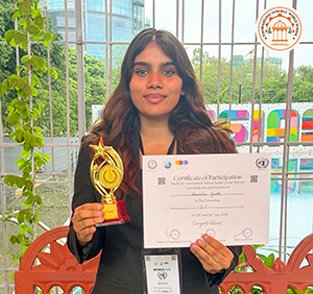
Do you have stage fright? Smash it by participating in speech competitions. Speech contests help you organise your thoughts, improve pronunciation, speak clearly and handle nervousness, like a pro, in front of an audience. Whether it is a one-minute speech or a big debate, it builds both your vocabulary and your courage.
Link Language Learning with Other Subjects
Do you know the cognitive benefits of learning maths can improve your English speaking skills? Explaining a math problem in English or discussing a science experiment in English helps connect language to logic. It boosts your brainpower, vocabulary and trains your mind to think clearly and express ideas more effectively. It is a two-for-one deal for your mind, so go ahead and describe your science project and math problem aloud in English.
Make learning English fun, real and yours!
Supporting Your Child’s English-Speaking Journey (For Parents)
Helping your child build confidence in English speaking does not require fancy tutors or expensive apps. It can start right at home, with the parents! Parents can be the coach, cheerleader and conversation buddy for their children. In fact, some of the most important tools are already in your daily routine.
Encourage Them to Express in English at Home
Encourage your child to speak in English during simple moments like setting the table, talking about their day, during their playtime or while planning the weekend. It does not have to be perfect! Create an English-friendly and safe space for your child to practice speaking in English without fear. As parents, you can also ask simple questions about your child’s routine to get the wheels turning.
Offer Gentle and Constructive Feedback
If your child makes a mistake, avoid interrupting or correcting them mid-sentence. Let them finish their thought first and then gently suggest the correct version. Keep the feedback gentle, constructive and positive. Encourage your child to say the correct sentence the next time. This builds confidence rather than fear, which goes a long way.
Use Storytelling, Reading Time and Small Talk as Tools
Bedtime stories? Make them interactive! Take turns reading aloud, ask your child what they think happens next, try the best speech topics for students or let them translate the story in their own words. Even brief conversations while walking or shopping can become a playful opportunity for English practice.
Celebrate Every Effort
Whether it is a new word used correctly or a sentence spoken with pride, celebrate it. Let your child know that you are proud. Your encouragement is the magic ingredient that keeps them going and getting better with every try.
With patience, playfulness and praise, you can help your child find their voice. Remember, you are not just raising a child, but you are raising a future confident communicator.
Conclusion
Let us understand that speaking English confidently is not something you wake up doing perfectly one day. It is a journey, not a race and every child walks it at their own pace. There will be stumbles, pauses or maybe even some mistakes. But with each conversation, each sentence and each little attempt, your child moves closer to becoming a confident English speaker.
Confidence is not the only magic; it is built through mindset, practice and a whole lot of encouragement. With the right environment at home and school, every child can grow into an expressive and confident communicator. When children understand that mistakes are the encouraging stepping stones and not setbacks, they begin to enjoy the process of learning. Moreover, with daily exposure to reading, interesting speech topics for school students and fun exercises like storytelling, learning English becomes more interesting.
At MIT Gurukul, we don’t just focus on learning English, but we focus on living it. We believe in nurturing not only academic excellence but confident communication. Through immersive activities, hands-on speaking opportunities and supportive feedback, we help children build real-world communication skills that last a lifetime.
Our programs are designed to support your child’s language growth through interactive learning, expert guidance and a caring environment where every voice matters. Whether your child is just beginning or already on their way, we are here to walk along with them and support them every step of the way.
Speaking English confidently is not just about grammar; it is about growing a voice to be heard. At MIT Gurukul, we believe every child has a voice worth hearing and we help them speak it loud and proud.
We warmly invite parents, students and curious minds to explore our resources, attend our English language workshop or connect with our educators. Visit our campus and discover how we help students grow into confident global citizens. Visit MIT Gurukul today!