


Introduction
The need for mental health awareness in academic settings has never been more critical. Stress, anxiety, and emotional health issues among students have been on the rise, making it imperative to address these concerns proactively. Schools, parents, and communities must work together to create an environment that supports mental well-being and ensures students thrive both academically and emotionally.
Importance of Mental Health for Students
Mental health is just as important as physical health, yet it often gets overlooked. Students who struggle with stress, anxiety, or emotional distress may find it difficult to concentrate in class, complete assignments, or engage in social activities. When students prioritize mental wellness, they can enhance their focus, build resilience, and develop a positive outlook toward learning and personal growth.
Understanding Mental Health in Students
Mental health encompasses emotional, psychological, and social well-being. For students, maintaining mental wellness means being able to manage stress, build healthy relationships, and make informed decisions.
Factors such as
- academic pressure
- peer expectations
- family responsibilities
- social media influence can all contribute to mental health struggles
By fostering mental health awareness, students can identify early signs of emotional distress and seek help when needed. Recognizing symptoms like excessive worry, mood swings, difficulty concentrating, or withdrawal from activities is crucial in addressing mental health concerns effectively.
The Effects of Poor Mental Health on Academic Performance
Poor mental health can significantly impact a student’s academic journey. Stress and anxiety can lead to difficulty concentrating, procrastination, and a decline in academic performance. Students experiencing emotional health challenges may struggle with motivation, leading to incomplete assignments and lower grades.
Additionally, poor mental health can affect students’ social interactions, making it harder to collaborate with peers, participate in group projects, or seek help from teachers. Unmanaged stress can also result in physical symptoms like headaches, fatigue, or sleep disturbances, further affecting academic success.
Nearly 70% of Indian college students reported moderate to high anxiety, while 60% experienced depression and over 70% reported emotional distress, with academic pressure being a major contributing factor.
The Role of Schools in Promoting Mental Well-Being
Schools play a crucial role in shaping a student’s mental health. Creating a supportive school culture that prioritises mental wellness can make a significant difference in students’ overall well-being. Schools can implement various initiatives, such as:
1. Mental health awareness programmes to educate students about emotional health.
2. Counselling services to provide professional support for students facing difficulties.
3. Stress management for students through mindfulness exercises and relaxation techniques.
4. Encouraging open conversations about mental health to reduce stigma and promote help-seeking behaviour.
By integrating mental health education into the curriculum, schools can equip students with the necessary skills to manage stress and prioritise their well-being effectively.
Practical Strategies for Students to Maintain Mental Well-Being
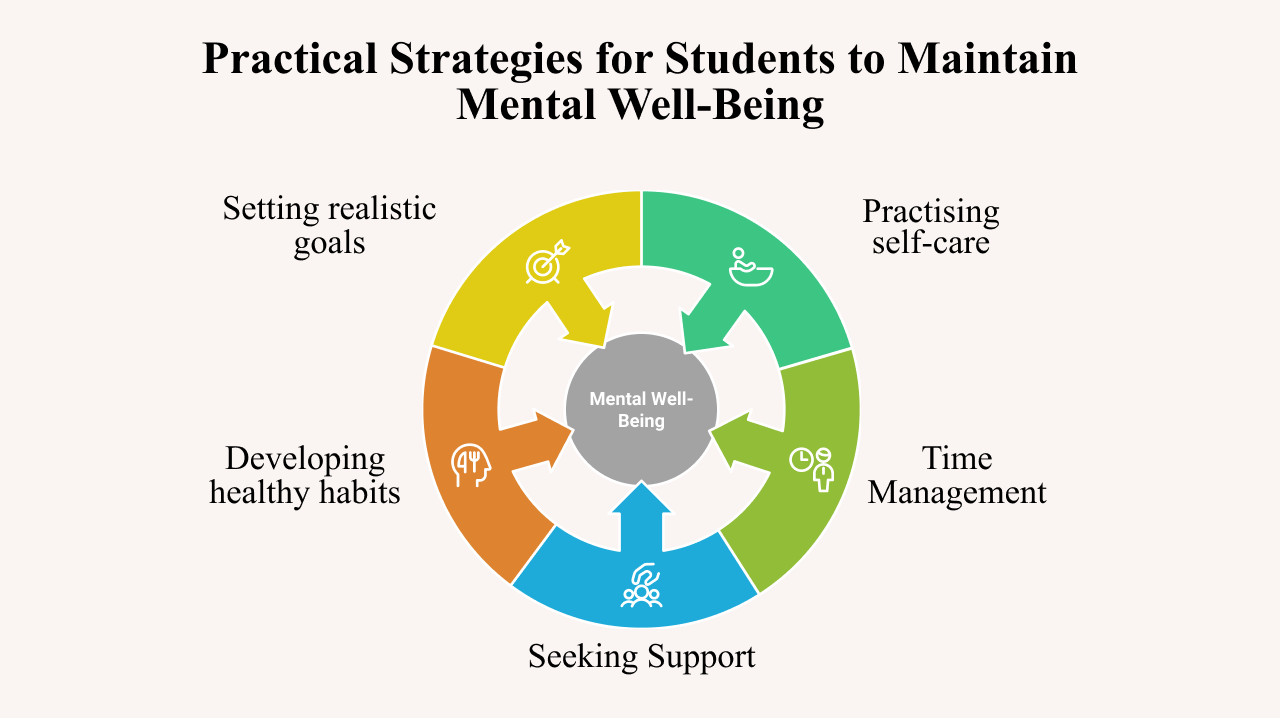
Students can take proactive steps to maintain their mental health and enhance their overall well-being. Some effective strategies include:
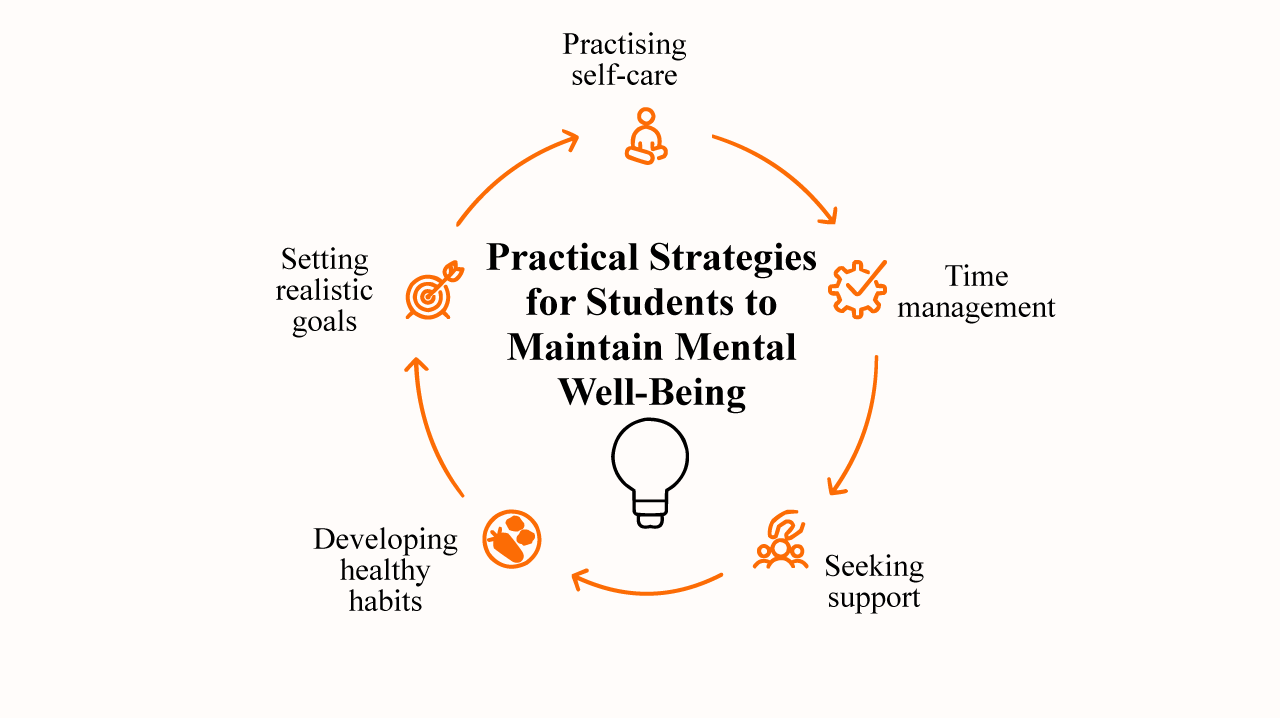
1. Practising self-care: Engaging in activities such as exercise, hobbies, and meditation can boost emotional well-being.
2. Time management: Creating a balanced schedule for studies, extracurricular activities, and relaxation can prevent burnout.
3. Seeking support: Talking to friends, family members, or school counselors can provide emotional relief and guidance.
4. Developing healthy habits: Maintaining a nutritious diet, getting counsellors
5. Setting realistic goals: Avoiding excessive pressure and setting achievable targets can reduce academic stress.
Creating a Supportive School Culture
A positive school culture is essential for promoting student mental well-being. Schools can create an inclusive environment by:
1.Encouraging peer support and mentorship programmes.
2. Providing access to mental health resources and professionals.
3. Organising workshops on emotional health and stress management for students.
4. Promoting a culture of kindness, empathy, and respect among students and teachers.
Conclusion
Mental health is a fundamental aspect of a student’s overall development and success. Prioritising mental wellness allows students to manage stress effectively, enhance academic performance, and build resilience for future challenges. Schools, educators, and families must work together to promote mental health awareness and create a nurturing environment where students can thrive emotionally and academically.