

Learning Beyond the Textbook
Children grasp the world best through wonder, not worksheets—true education blossoms when a child explores beyond the rigid outlines of traditional lessons.
Let’s be real—kids these days don’t just want learning to be fun, they expect it. Bright colours, games, sounds, stories—they soak it all in. Giving children a head start with playful and varied experiences helps them become sharp, curious thinkers. It’s also one of the smartest ways to build strong reading habits, the silent superpower behind every academic win.
Fun with Foundational Concepts
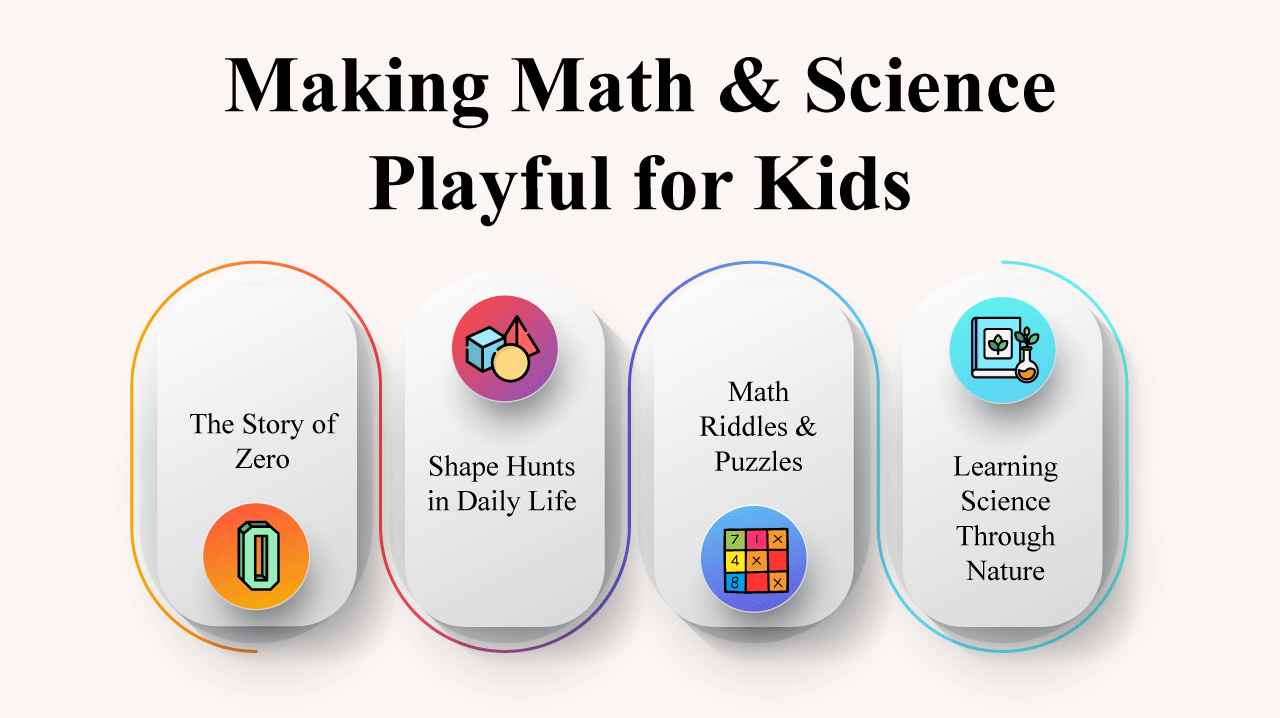
Introducing children to abstract ideas early on builds their analytical skills. Making math and science playful and exciting creates a love for logic. One powerful concept that can anchor early numeracy is the discovery of zero and its origin in Indian mathematics. Framed as a fascinating story, this topic introduces history through numbers, making math meaningful.
Long before calculators ruled classrooms, a spark of genius lit up the Indian subcontinent — and it was shaped like a zero. Now imagine that story coming alive through cheeky puppets or animated scrolls unravelling ancient secrets with a twinkle of humour. Kids embark on a curious journey. Add to that some delightful games — like reverse counting races or spotting the ‘nothing’ among a group of somethings — and voilà, abstract ideas suddenly feel like play.
And while we’re at it, why not take a walk and spot triangles on rooftops or circles in bicycle wheels? Shapes are everywhere — waiting to say hello. Use everyday objects to teach circles, triangles, and squares. Shape hunts around the home or garden keep kids alert and observant. Incorporating fun ways how to teach shapes to preschoolers helps with spatial reasoning.
To sharpen problem-solving, engage children with math riddles for cognitive stimulation. Puzzles develop persistence and lateral thinking. Each solved riddle builds confidence, turning problem-solving into a rewarding game rather than a dreaded chore. You might try a riddle-a-day challenge, encouraging discussion and teamwork.
Knowledge Through Culture and History
Children connect better with history when it feels personal and alive. Introduce them to Indian heritage through key personalities who shaped our identity.
Discussing the works of poets like Rabindranath Tagore or Sarojini Naidu introduces rhythm, emotion, and cultural wisdom. Activities like poetry recitation or composing short rhymes help children express themselves while learning about their roots.
No cultural exploration is complete without teaching interesting facts about freedom fighters. Their courage and ideals make them more than historical figures; they become role models. Encourage kids to reflect on their values, ask questions, and even act out short skits based on iconic events in our independence journey.
Children could create freedom-fighter fact cards, timeline posters, or even write a diary entry from a leader’s perspective. These creative exercises nurture empathy, deepen understanding, and bring history to life.
Science and Nature Awareness for Kids
The human body is a wonderland, and understanding it builds respect for health and empathy. Start with the basics of human anatomy made simple. Instead of textbook jargon, use engaging visuals and activities like DIY body charts. This helps children understand how their bodies work, from the heart’s rhythm to how food gives energy.
Labelling parts of the body through sticker games or drawing activities encourages hands-on participation. Children could also explore their senses through games like “Guess the Smell” or “Texture Touch,” making biology interactive.
Nature holds equally captivating lessons. The animal world and their natural habitats show the diversity of life and the balance of ecosystems. Use relatable examples to explain animals and their shelters. Ask questions like “Where does a lion live?” or “Why do birds build nests?” These prompt children to think critically and observe their surroundings.
You can even simulate animal homes using craft projects or storyboards. Through such immersive activities, science moves beyond memorisation and becomes discovery. Consider nature walks, bird-watching journals, or virtual safaris to introduce children to diverse habitats across continents.
Storytelling and Reading: Pathways to Imagination
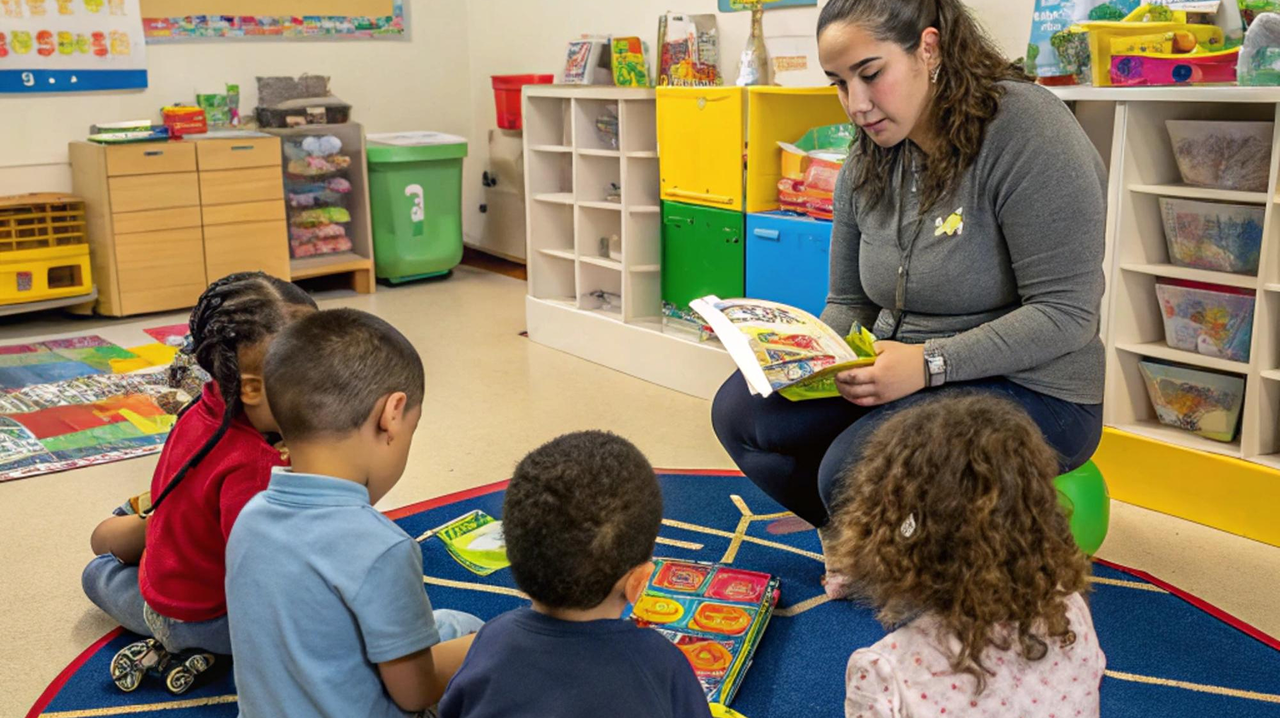
Few tools are as effective as stories for learning and emotional growth. Why stories play a vital role in learning and moral development lies in their ability to convey lessons without preaching. Characters and scenarios act as mirrors through which children understand the world.
Stories introduce ethical dilemmas, emotions, and social scenarios that help children build moral intelligence. Parents and teachers can explore creative storytelling techniques to try at home or school. Use voice modulation, puppetry, or shadow play. Story cubes or comic strips help children take charge of narrative creation, fostering imagination.
Role-playing well-known folktales or mythological stories can also stimulate group participation. This enhances listening, speech, and emotional expression. With every session, kids begin to see storytelling as an outlet for creativity.
Another invaluable habit to nurture is building lifelong reading habits early. Introduce books that match a child’s interests—mysteries, folk tales, science adventures. A reading nook, a small reward system, or reading aloud as a bedtime ritual helps make reading delightful.
Over time, this transforms passive listeners into proactive learners.
Encourage children to maintain their journals, summarising stories or drawing their favourite characters. Libraries and reading clubs also provide motivation and peer-driven excitement around books.
Health and Habits: Essential for Learning
Before dawn breaks, sleep plays its quiet magic on a child’s world—shaping their smiles, sharpening memory, and fine-tuning attention. When rest is cut short, little tempers rise and focus falters. That’s where the comfort of a consistent bedtime ritual becomes a silent hero.
A chart pinned on the wall, a favourite lullaby in the background, or a soothing tale whispered under dim lights can gently guide young minds into dreamland, making space for calmer mornings and brighter learning days.
A good night’s rest directly supports memory retention and alertness during lessons.
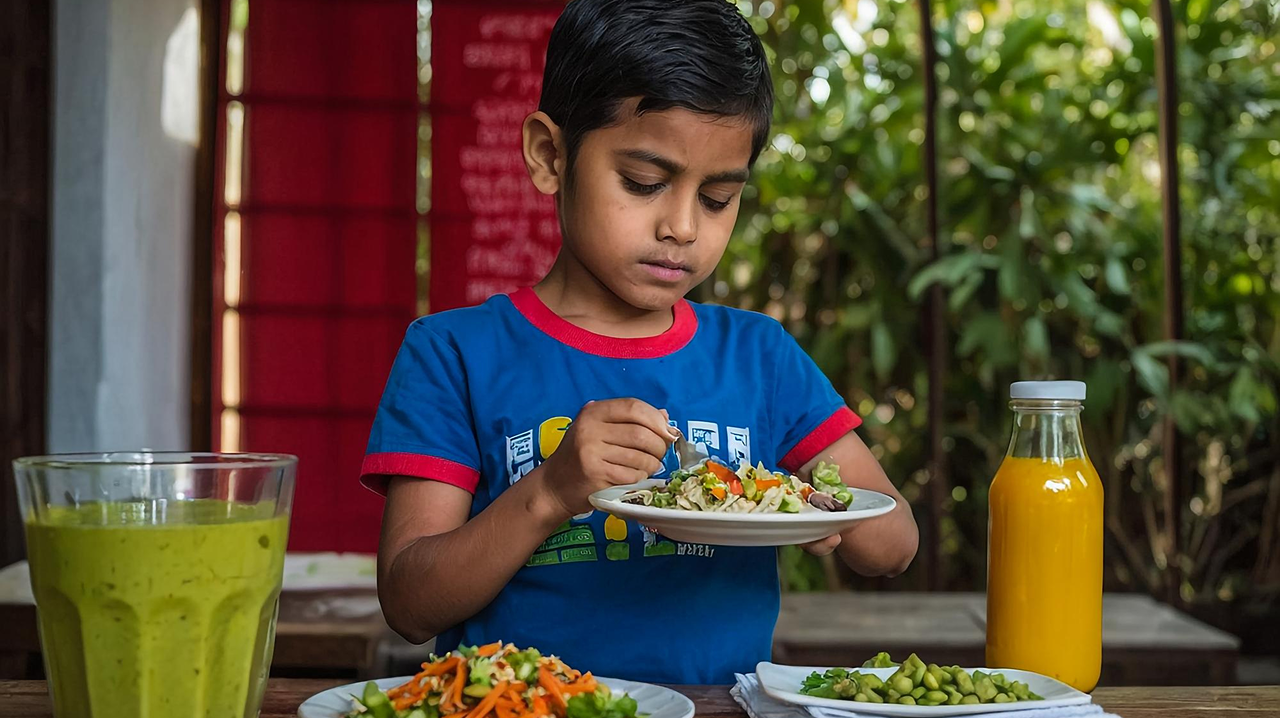
Another cornerstone is establishing healthy habits for focused learning. These include balanced nutrition, regular physical activity, and screen-time moderation. Encourage hydration, short play breaks during studying, and mindfulness techniques like breathing exercises.
Yoga, stretching, and nature-based activities during breaks can help children refocus and reduce mental fatigue. When learning is supported by wellness practices, it becomes sustainable and joyful.
Communication and Writing for Beginners
Strong communication opens doors to self-expression and clarity of thought. A practical way to start is by teaching kids how to write simple applications. Introduce templates for writing to teachers, such as leave requests or thank-you notes.
Such activities foster structure and thought organisation. Once they master this, move to the foundation of formal writing skills through guided practice. Create writing prompts: “Describe your favourite animal” or “Write a letter to your future self.” Over time, children become comfortable putting thoughts into words, forming a strong base for academic writing.
You can also create peer-review circles or family writing days where everyone shares something they’ve written. These methods show children that writing is a valuable tool for sharing thoughts, ideas, and feelings.
Encouraging journaling or weekend diaries adds a creative twist while reinforcing writing consistency. With time, writing evolves into a method of reflection and articulation.
Encouraging Inquiry-Led and Holistic Learning
Helping children learn isn’t about giving them answers but prompting the right questions. When learning feels like an adventure, children don’t resist it; they chase it.
Parents can play an integral role by exploring topics together.
For those looking to take this further, exploring institutions like top boarding schools in Pune, top residential schools in Pune, or international schools in Pune provides access to structured environments that value interactive, foundational learning. These schools blend tradition with innovation, fostering well-rounded development.
At the heart of it all lies the idea that every moment can be a learning opportunity. With the right tools and approach, every child can grow into an informed, curious, and compassionate learner. Let this be the beginning of many inspired learning journeys together.