


The Ultimate Learning Companion for Young Minds: Fun, Facts and Foundational Knowledge
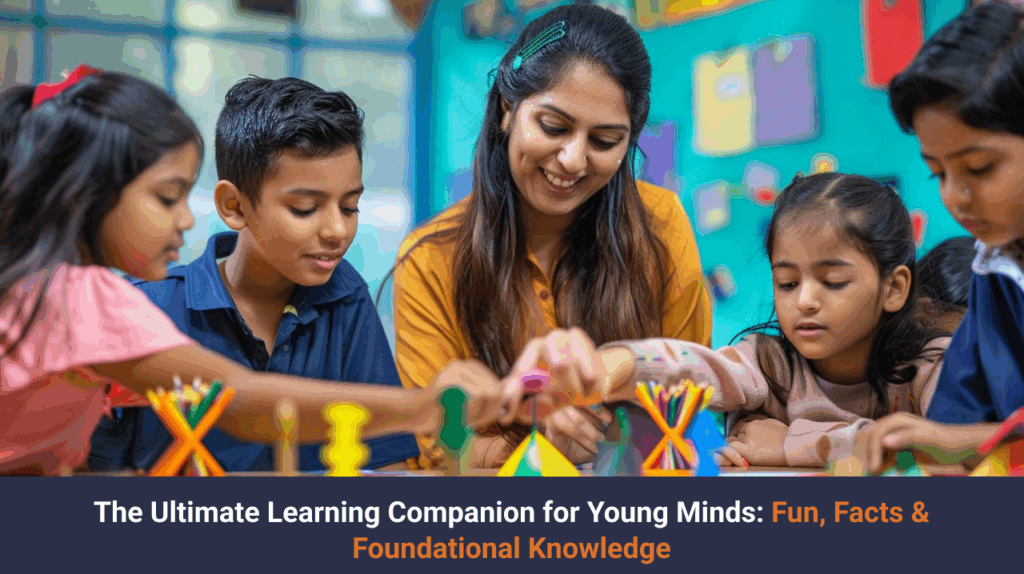
Learning Beyond the Textbook Children grasp the world best through wonder, not worksheets—true education blossoms when a child explores beyond the rigid outlines of traditional lessons. Let’s be real—kids these days don’t just want learning to be fun, they expect it. Bright colours, games, sounds, stories—they soak it all in. Giving children a head start with playful and varied experiences helps them become sharp, curious thinkers. It’s also one of the smartest ways to build strong reading habits, the silent superpower behind every academic win. Fun with Foundational Concepts Introducing children to abstract ideas early on builds their analytical skills. Making math and science playful and exciting creates a love for logic. One powerful concept that can anchor early numeracy is the discovery of zero and its origin in Indian mathematics. Framed as a fascinating story, this topic introduces history through numbers, making math meaningful. Long before calculators ruled classrooms, a spark of genius lit up the Indian subcontinent — and it was shaped like a zero. Now imagine that story coming alive through cheeky puppets or animated scrolls unravelling ancient secrets with a twinkle of humour. Kids embark on a curious journey. Add to that some delightful games — like reverse counting races or spotting the ‘nothing’ among a group of somethings — and voilà, abstract ideas suddenly feel like play. And while we’re at it, why not take a walk and spot triangles on rooftops or circles in bicycle wheels? Shapes are everywhere — waiting to say hello. Use everyday objects to teach circles, triangles, and squares. Shape hunts around the home or garden keep kids alert and observant. Incorporating fun ways how to teach shapes to preschoolers helps with spatial reasoning. To sharpen problem-solving, engage children with math riddles for cognitive stimulation. Puzzles develop persistence and lateral thinking. Each solved riddle builds confidence, turning problem-solving into a rewarding game rather than a dreaded chore. You might try a riddle-a-day challenge, encouraging discussion and teamwork. Knowledge Through Culture and History Children connect better with history when it feels personal and alive. Introduce them to Indian heritage through key personalities who shaped our identity. Discussing the works of poets like Rabindranath Tagore or Sarojini Naidu introduces rhythm, emotion, and cultural wisdom. Activities like poetry recitation or composing short rhymes help children express themselves while learning about their roots. No cultural exploration is complete without teaching interesting facts about freedom fighters. Their courage and ideals make them more than historical figures; they become role models. Encourage kids to reflect on their values, ask questions, and even act out short skits based on iconic events in our independence journey. Children could create freedom-fighter fact cards, timeline posters, or even write a diary entry from a leader’s perspective. These creative exercises nurture empathy, deepen understanding, and bring history to life. Science and Nature Awareness for Kids The human body is a wonderland, and understanding it builds respect for health and empathy. Start with the basics of human anatomy made simple. Instead of textbook jargon, use engaging visuals and activities like DIY body charts. This helps children understand how their bodies work, from the heart’s rhythm to how food gives energy. Labelling parts of the body through sticker games or drawing activities encourages hands-on participation. Children could also explore their senses through games like “Guess the Smell” or “Texture Touch,” making biology interactive. Nature holds equally captivating lessons. The animal world and their natural habitats show the diversity of life and the balance of ecosystems. Use relatable examples to explain animals and their shelters. Ask questions like “Where does a lion live?” or “Why do birds build nests?” These prompt children to think critically and observe their surroundings. You can even simulate animal homes using craft projects or storyboards. Through such immersive activities, science moves beyond memorisation and becomes discovery. Consider nature walks, bird-watching journals, or virtual safaris to introduce children to diverse habitats across continents. Storytelling and Reading: Pathways to Imagination Few tools are as effective as stories for learning and emotional growth. Why stories play a vital role in learning and moral development lies in their ability to convey lessons without preaching. Characters and scenarios act as mirrors through which children understand the world. Stories introduce ethical dilemmas, emotions, and social scenarios that help children build moral intelligence. Parents and teachers can explore creative storytelling techniques to try at home or school. Use voice modulation, puppetry, or shadow play. Story cubes or comic strips help children take charge of narrative creation, fostering imagination. Role-playing well-known folktales or mythological stories can also stimulate group participation. This enhances listening, speech, and emotional expression. With every session, kids begin to see storytelling as an outlet for creativity. Another invaluable habit to nurture is building lifelong reading habits early. Introduce books that match a child’s interests—mysteries, folk tales, science adventures. A reading nook, a small reward system, or reading aloud as a bedtime ritual helps make reading delightful. Over time, this transforms passive listeners into proactive learners. Encourage children to maintain their journals, summarising stories or drawing their favourite characters. Libraries and reading clubs also provide motivation and peer-driven excitement around books. Health and Habits: Essential for Learning Before dawn breaks, sleep plays its quiet magic on a child’s world—shaping their smiles, sharpening memory, and fine-tuning attention. When rest is cut short, little tempers rise and focus falters. That’s where the comfort of a consistent bedtime ritual becomes a silent hero. A chart pinned on the wall, a favourite lullaby in the background, or a soothing tale whispered under dim lights can gently guide young minds into dreamland, making space for calmer mornings and brighter learning days. A good night’s rest directly supports memory retention and alertness during lessons. Another cornerstone is establishing healthy habits for focused learning. These include balanced nutrition, regular physical activity, and screen-time moderation. Encourage hydration, short play breaks during studying, and mindfulness techniques like breathing exercises. Yoga, stretching, and nature-based activities during breaks can help children refocus and reduce
The Modern Parent’s Guide to Nurturing Holistic Growth in Children
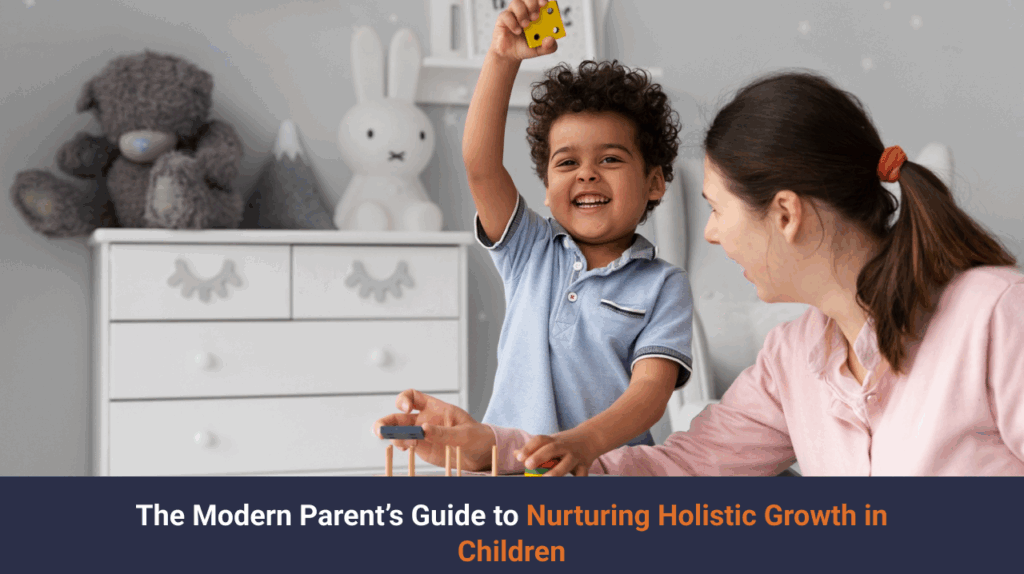
The Changing Landscape of Parenting Today Modern parenting has evolved into a dynamic balancing act. The focus has shifted, beyond providing basics, parents now build emotional resilience, sharpen social instincts, and help their children stay anchored in a digital tide. Managing all this while maintaining one’s career and well-being creates constant pressure. That’s why a holistic, collaborative approach becomes indispensable. It’s no longer a solo journey. Support networks, including teachers, extended family, and even digital resources, now play a critical role in raising a child. This guide aims to walk parents through practical, sustainable parenting tips for working parents, helping them make knowledgeable decisions about early childhood education, and raise brilliant, qualified individuals. Navigating Modern Parenting Challenges Deadlines chase daylight, dinner simmers on the back burner, and somewhere in between, self-care disappears. When roles blur, parent, professional, and provider, the heart strains, and children sense the fracture. Meanwhile, screens glow longer than sunsets, stealing sleep, blurring connections, and dulling emotion. Managing digital consumption has become one of the biggest modern challenges. Setting gentle boundaries while offering richer choices, stories by candlelight, a stroll under the sky, and a spontaneous game, brings balance home. Children echo what they sense. A tense or withdrawn parent becomes a silent lesson. But when homes showcase honest conversations, unhurried time, and shared laughter, children become strong. Structure, screen-free moments, and open hearts strengthen those roots. Families flourish when they lean into the work together. The Power of Early Childhood Education In the tender hush of childhood’s dawn, the mind blooms—wild and swift. Like tiny rivers, neural pathways etch themselves into being, shaping how a child feels, reacts, and understands the world. Among life’s most profound choices is the quiet, purposeful decision to invest in early education. Within the rhythm of play and the texture of group discovery, preschool education becomes a dance between curiosity and structure, where little hands and big ideas grow side by side. As each child navigates the small society of the classroom, they begin to mirror humanity—practising kindness, sharing space, and solving tiny conflicts with growing grace. The vast benefits of early childhood education echo in better speech, sharper focus, and a budding mastery over emotion. It instils in children a sense of discipline and responsibility at a stage when their minds are most malleable. Choosing the right preschool involves evaluating the curriculum, educator qualifications, and environment. A nurturing space with engaged staff can lead a child to lifelong learning and emotional wellness. Empowering Children for a Better Future Assigning suitable responsibilities in the early years nurtures confidence and emotional strength. Gentle moments, such as choosing an outfit, packing essentials for the day, or stirring ingredients, shape a child. These actions signal to the child: “You are capable.” Empowered children stand up for themselves, express opinions respectfully, and take initiative in unfamiliar situations. These are life skills that transcend classrooms and prepare them for real-world challenges. Parental support is key. Applaud their wins, welcome the slip-ups, and talk it through. These moments build resilience. Such thoughtful guidance fits seamlessly with the heart of education, where classrooms nurture bold voices and homegrown confidence. In this way, children are equipped not just to succeed, but to thrive. Role of Spiritual and Moral Grounding In a fast-spinning world, stillness is a gift. A child, hands folded in the morning light, begins with a deep breath, a word of thanks, or a gentle chant. These moments become moorings—steady in storms of growing up. Focus blooms. Empathy awakens. Stories told through preschool education leave echoes of kindness and calm. Group reflections plant seeds of virtue, watered daily by rhythm and care. And slowly, like dawn, resilience rises. Building Strong Parent-Teacher Partnerships The most successful educational journeys begin with collaboration. Touching base with educators regularly becomes a window into a child’s world, their quiet triumphs, tricky turns, and everything in between. This feedback loop helps tailor strategies that benefit the child holistically. For instance, if a child struggles with concentration, home and classroom routines can be adjusted to provide consistency. Effective parent-teacher collaboration involves more than annual meetings. It requires open channels, weekly updates, feedback sessions, shared journals, or digital platforms, to keep everyone informed and engaged. Institutions like the best preschool in Pune have adopted such practices to ensure parents actively participate in their children’s learning. When parents are involved, children are more motivated, socially aware, and academically confident. Nutrition for Young Minds and Bodies Children’s bodies and brains are constantly developing. The foundation of a sharp mind and resilient body lies in what we feed them. When the plate is filled with wholesome, nutrient-rich choices, memory sharpens, focus holds steady, moods remain balanced, and the immune system stands tall. But feeding children isn’t always easy. The trick lies in creativity. Involve children in grocery shopping or meal prep. Offer bite-sized options, use cookie cutters for sandwiches, or build stories around vegetables to make meals engaging. You don’t have to form battles at the dinner table. Let broccoli sneak in next to mashed potatoes, and carrots mingle with cheesy pasta. When curiosity replaces pressure, tiny taste buds begin to wander. Before you know it, mealtimes turn into miniature adventures, sprinkled with surprise and joy. Good habits formed during early childhood are likely to stay for life. Schools can reinforce these values through nutrition education, gardening activities, or healthy snack days. A collaborative approach helps children view food as fuel, not as a reward or punishment. Role of Extracurriculars in Holistic Development Children are multifaceted. While academics are critical for growth, extracurricular activities complete the picture. Art, music, theatre, sports, and community service allow children to explore identity, emotions, and purpose. Participation in these activities builds soft skills: time management, teamwork, communication, and leadership. It also allows children to fail safely and learn resilience. Creative outlets become safe spaces for expression. Children who struggle with academics may find joy and success in dance or painting, which boosts confidence and overall well-being. Schools that prioritise extracurricular offerings