


Bullying remains a significant issue in schools, affecting students’ emotional and physical well-being. This aggressive behaviour can manifest in various forms and has lasting impacts on both victims and perpetrators. At MIT Gurukul, addressing bullying is a priority, as creating a safe and supportive environment is essential for learning and personal growth. Parents, teachers, and kids all need to understand bullying, its impacts, and how to stop it.
Understanding Bullying
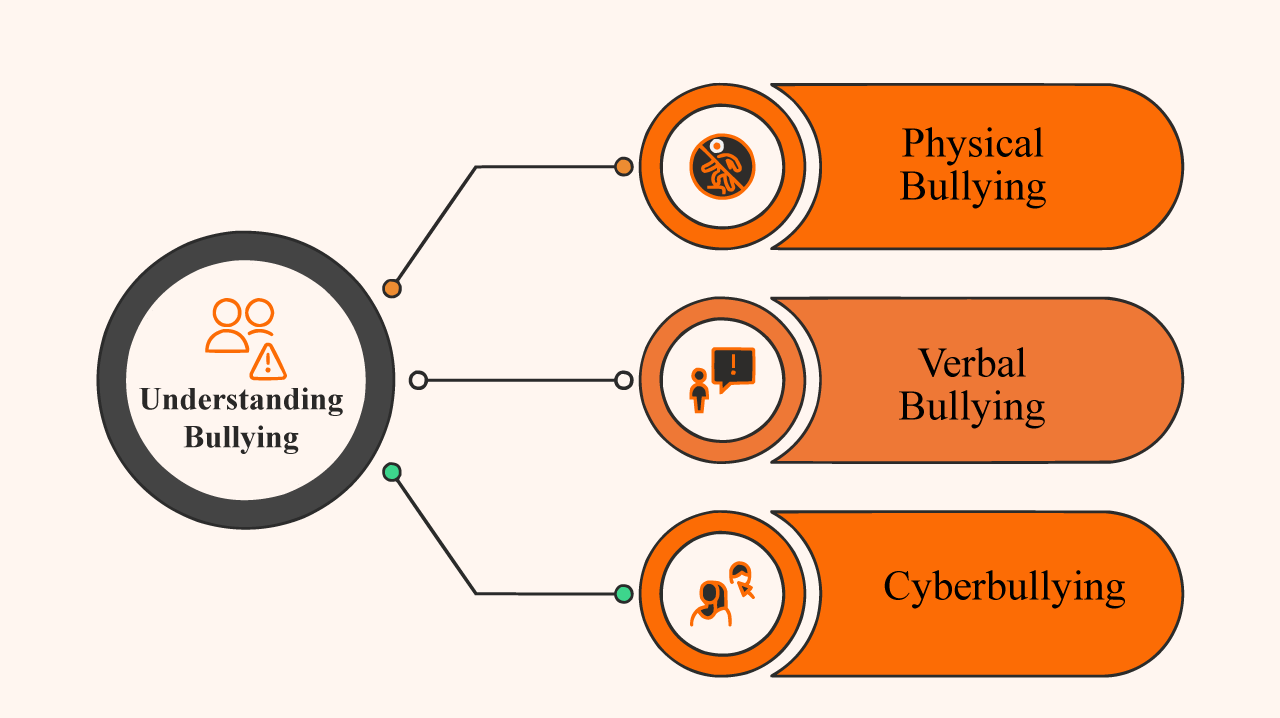
If your question is how to prevent bullying then first you need to understand why bullying is in the first place. Unwanted, violent action, including a perceived or actual power disparity, is referred to as bullying. It can take several forms:
1. Physical Bullying: This includes hitting, kicking, or any form of physical aggression aimed at harming another student. In addition to leaving obvious scars, physical bullying can leave emotional scars that persist long after the bruises go away.
2. Verbal Bullying: Name-calling, teasing, or making threats fall under this category. Because verbal bullying targets the victim’s mental health and sense of self, it can be just as harmful as physical bullying. Victims may experience loneliness, despair, or anxiety.
3. Cyberbullying: As technology has advanced, cyberbullying has increased in frequency. It involves using digital platforms to harass or intimidate someone through mean messages, social media posts, or even sharing embarrassing photos.
How to Deal with Bullying
Create Bullying Prevention Programs and Policies
Educational institutions should implement comprehensive anti-bullying programs that educate students about the effects of bullying and promote kindness and respect. Clear standards defining inappropriate behaviours and the penalties for bullies should be part of these initiatives.
Develop Social and Emotional Learning
Integrating social and emotional learning (SEL) into the curriculum can help students develop empathy and improve their interpersonal skills. SEL teaches children how to manage their emotions, set positive goals, show empathy for others, establish positive relationships, and make responsible decisions.
Foster Open Communication
Encouraging open communication between students, parents, and teachers is crucial in addressing bullying. Schools should create safe spaces where students feel comfortable discussing their experiences without fear of retaliation. Teachers can find students who could be experiencing bullying or associated problems by regularly checking in with them.
Parents should also maintain an open dialogue with their children about their school life and friendships.
Involve Parents
Parents play a critical role in preventing and addressing bullying. Schools should actively involve parents by providing resources and information on recognizing signs of bullying and how to respond effectively. Workshops or informational sessions can equip parents with the tools they need to support their children. Additionally, creating a parent-teacher association focused on anti-bullying efforts can foster collaboration between home and school.
Keep the Hotspots Monitored
Certain areas in schools are known as “hotspots” for bullying—places like hallways, playgrounds, or locker rooms where supervision may be less vigilant. Increasing adult supervision in these areas can deter potential bullies from acting out. Additionally, encouraging students to report incidents can help identify problem areas that need attention.
Conclusion
In conclusion, understanding bullying is essential for creating a safe educational environment for all students. By implementing effective prevention strategies such as creating anti-bullying programs, fostering open communication, involving parents, and monitoring hotspots within schools like MIT Gurukul, we can work together to combat this pervasive issue.
When educators and parents work together to prevent bullying, we give our kids the tools they need to resist violence and spread compassion in their neighbourhoods. Together, we can create an atmosphere where every student feels safe, respected, and valued—ultimately leading to a more positive school experience for everyone involved.