

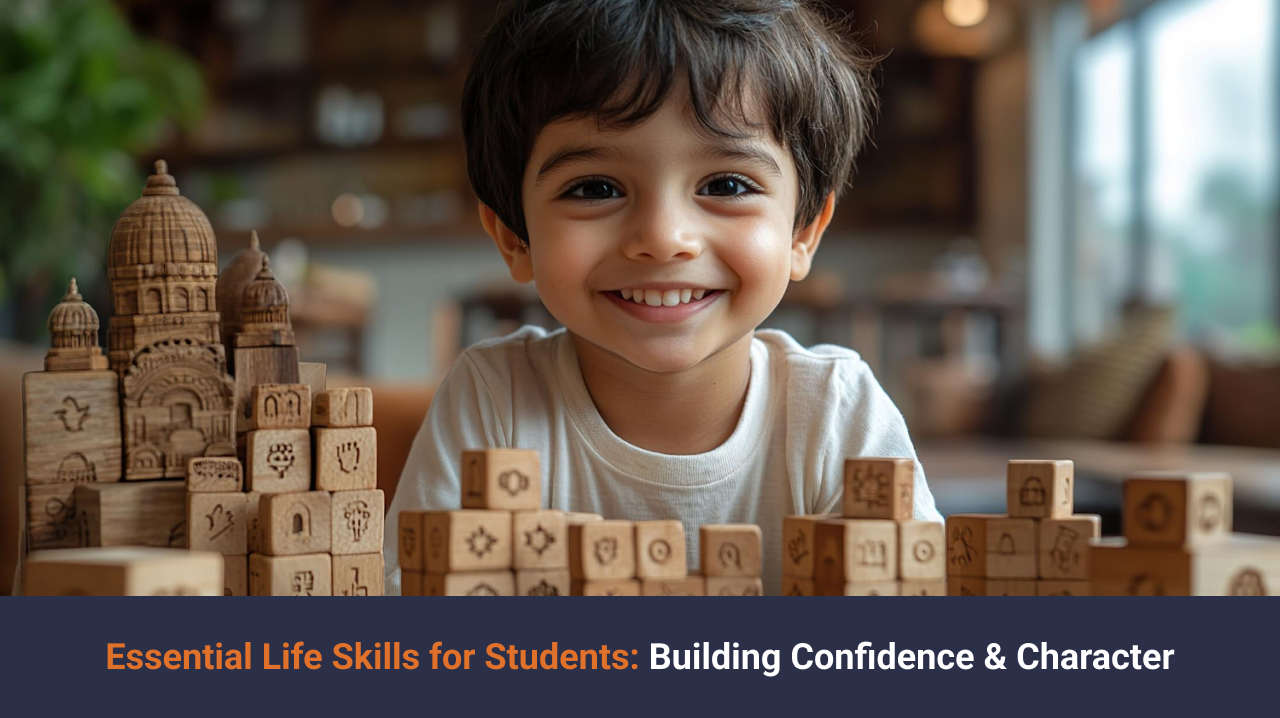
Let’s begin with a simple truth: marks alone do not define success. In today’s fast-changing world, academic excellence without adaptability, resilience and communication skills is incomplete. That is why essential life skills for students are no longer optional; they are fundamental.
The importance of life skills in school education has grown significantly. Universities and employers alike value leadership, empathy, confidence and collaboration just as much as grades. Strong and relevant student life skills shape responsible decision-makers, emotionally intelligent individuals and confident communicators.
True personal growth for students happens when confidence and character develop alongside academic achievement. Building confidence in students and encouraging character development for students ensures long-term success; and not just examination results.
At MIT Gurukul; holistic development is not just a buzzword; it is a lived philosophy. Rooted in values and guided by structured programmes such as CBSE life skills education, the institution focuses on nurturing well-rounded individuals prepared for life beyond classrooms.
Reading: The Foundation of Confidence & Intellectual Growth
Why Reading Builds Character?
The importance of reading books can’t be overstated. Books introduce students to ideas, cultures and perspectives beyond their immediate environment. This exposure strengthens empathy, moral reasoning and personality development for school students.
How Reading Improves Personality Development?
You may wonder; how reading improve personality development? It enhances vocabulary, strengthens communication skills and builds clarity of thought. Students who read regularly express themselves more confidently and thoughtfully.
Reading also fosters emotional intelligence. Fiction allows children to step into others’ experiences, building compassion and self awareness. Non-fiction sharpens analytical skills and independent thinking.
From critical thinking to self reflection; books quietly shape identity. For deeper insight, explore: 10 reasons why reading books is essential for personal growth. At MIT Gurukul; reading is encouraged not merely as an academic requirement but as a lifelong habit that strengthens character and confidence.
Hobbies: Unlocking Creativity & Self-Discovery
Why Hobbies Are Essential Life Skills?
The importance of hobbies in personal growth is often underestimated. Hobbies nurture creativity, patience and discipline. Whether painting, playing music or coding; these help students discover strengths beyond textbooks.
Types of Hobbies That Support Growth
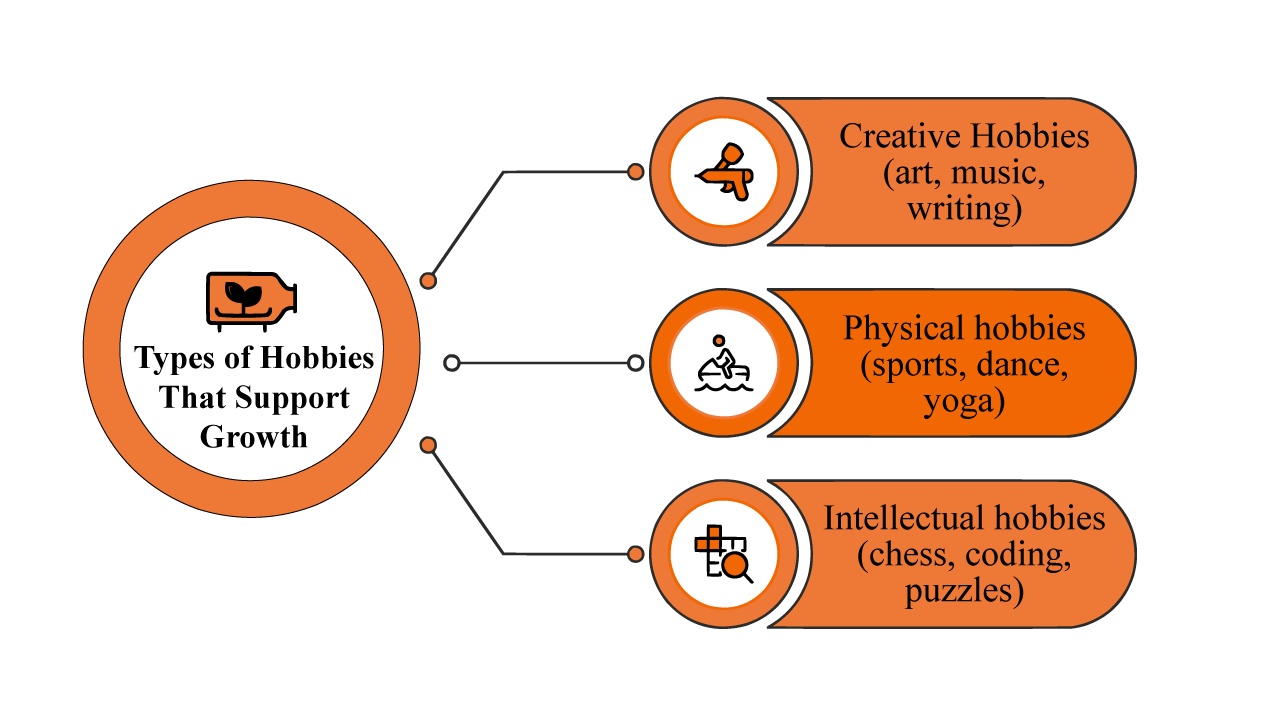
- Creative hobbies enhance imagination.
- Physical activities like sports build resilience and teamwork.
- Intellectual hobbies such as chess improve strategic thinking.
Hobbies also support mental well-being. In a competitive academic environment, they offer healthy stress relief. Over time, these interests become powerful contributors to student life skills and self-confidence.
At MIT Gurukul, extracurricular programmes are carefully designed to complement academics, ensuring that personal growth for students happens naturally through exploration and practice.
Self Confidence: The Core of Student Success
Self-belief is not a luxury for young learners; it is a necessity. True confidence empowers students to attempt new challenges, speak up in class and handle setbacks with resilience. It directly influences academic achievement, friendships and overall well-being.
If you are wondering how to build self-confidence in teenagers; begin with encouragement. Celebrate effort, not just outcomes. Create opportunities for leadership and participation.
Understanding Self-Confidence
Confidence is often misunderstood. It is not about being the loudest voice in the room; it is about trusting your abilities while remaining open to learning.
| Confidence | Arrogance |
| Believes in personal abilities while acknowledging scope for improvement | Assumes superiority and ignores the need for growth |
| Listens to feedback and uses it constructively | Dismisses feedback and resists correction or improvement |
| Encourages others and celebrates shared success | Seeks attention and individual recognition |
| Remains calm and secure even during failures | Becomes defensive or blames others when challenged or face failures |
Why Confidence Impacts Academic and Social Performance?
Confident students participate more, ask questions without fear and build healthier peer relationships. They are better at decision-making and problem-solving because they trust their judgement.
Practical Ways to Build Confidence in Students
- Set achievable goals: Small successes create lasting belief.
- Encourage participation: Debates, sports and clubs build exposure.
- Promote positive self talk: Replace I cannot with I will try and succeed.
- Celebrate effort: Recognising progress and celebrating efforts matter more than the perfect scores.
Communication Skills and Overcoming Stage Fright
Strong communication is not just about speaking fluently; it is about connecting meaningfully. Developing this skill early helps students succeed both inside and outside the classroom. It shapes leadership presence and also enhances peer relationships.
However; many students struggle with nervousness. Understanding how to overcome stage fright in school is essential.
Why Communication is a Critical Life Skill?
- Expressing ideas clearly: Students who can express their thoughts confidently perform better in presentations, interviews and group discussions. It prevents misunderstandings and also; builds academic credibility.
- Building leadership presence: Effective communicators naturally influence and inspire others. The confidence to communicate with clarity and conviction strengthens leadership qualities from a young age.
- Improving peer relationships: Good communication fosters empathy, active listening and mutual respect, helping students build healthier friendships and resolve conflicts maturely.
Understanding Stage Fright in School Students
- Common causes of fear:
Fear of judgement
Lack of preparation and
Low self-confidence often triggers anxiety before speaking publicly.
- Signs of nervousness:
Shaking hands, a trembling voice, rapid heartbeat or avoiding eye contact are common indicators.
Identifying these signs early is the first step towards managing and overcoming stage fright effectively. Schools play a crucial role in adapting practical steps for how to overcome stage fright. At MIT Gurukul; regular assemblies, presentations and cultural programmes provide safe platforms to practise public speaking.
Teamwork: Learning Leadership Through Collaboration
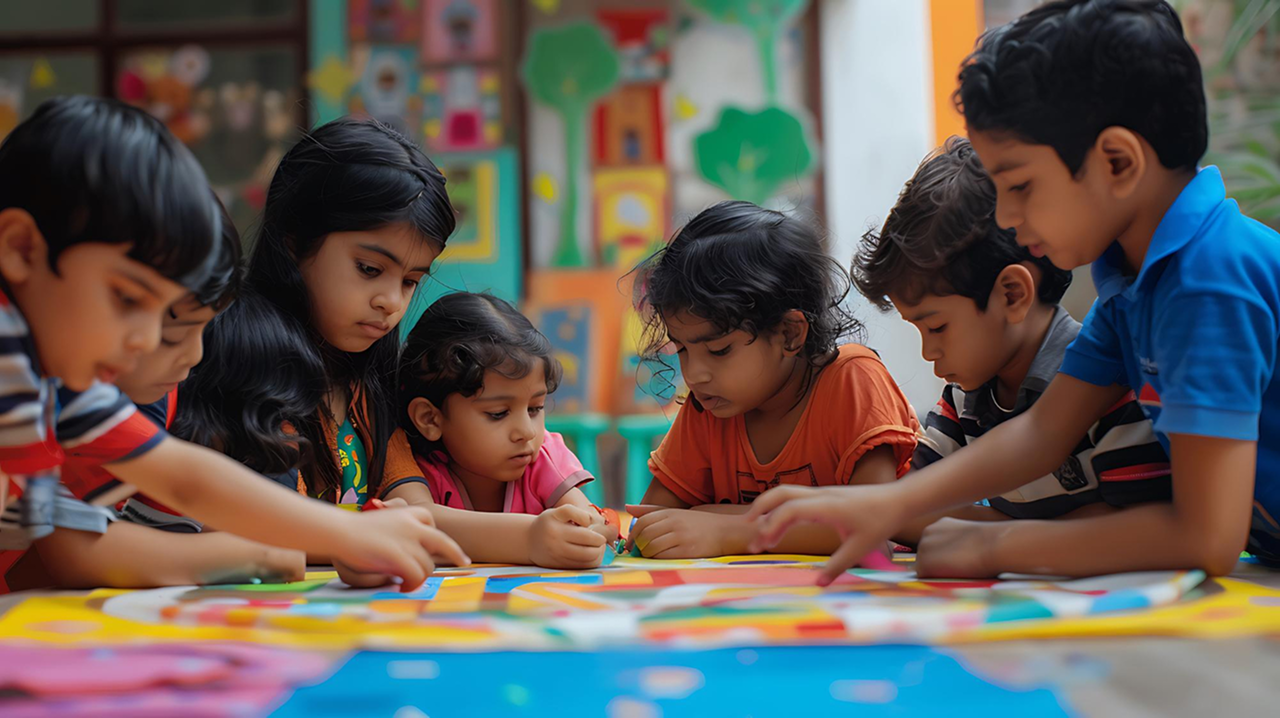
The importance of teamwork in school life extends far beyond group assignments. Teamwork teaches students that success is rarely a solo journey. Working together nurtures responsibility, empathy, patience and mutual respect.
Why Teamwork Builds Character?
When students collaborate, they learn to respect diverse perspectives. They understand that leadership sometimes means listening more than speaking. This helps them understand: why teamwork is important for success; because real-world challenges are rarely solved alone.
- Developing empathy and cooperation: When students collaborate; they learn to understand others’ strengths and challenges, building compassion alongside shared accountability.
- Respecting diverse perspectives: Exposure to different opinions encourages open-minded thinking and prepares students for real world diversity.
- Conflict resolution skills: Disagreements become opportunities to practise negotiation, problem-solving and emotional control.
Teamwork in School Life
- Group projects and activities:
Class assignments, sports and extracurricular programmes create practical spaces where collaboration, leadership and trust naturally develop through shared goals and collective effort.
- Sports and extracurricular activities:
Participation in sports, drama, music or clubs strengthens discipline, resilience and team spirit. Students learn leadership, time management and how to handle both victory and defeat gracefully.
- Collaborative learning environments:
Interactive classrooms that encourage discussion and peer learning build confidence, critical thinking and mutual respect among students daily.
At MIT Gurukul; collaborative learning environments ensure students develop cooperation skills essential for lifelong growth.
Time Management & Discipline: The Backbone of Success
Time management is one of the most powerful student life skills. It shapes productivity, confidence and long-term achievement. Time management for students directly impacts academic performance and emotional well-being.
Why Time Management is a Crucial Student Life Skill?
- Reducing stress and procrastination: Planning tasks in advance prevents last-minute panic and builds a sense of control.
- Improving academic performance: Structured study schedules allow better focus, revision and retention.
- Creating balance between study and personal life: Good planning ensures time for hobbies, rest and family alongside academics.
Effective Time Management Strategies for Students
Effective time management strategies for students involve-
- Prioritisation techniques: Focus on urgent and important tasks first.
- Breaking large tasks into smaller goals: Makes work manageable and less overwhelming.
- Maintaining a productive daily routine: Builds stability and rhythm.
- Building consistency and discipline: Small daily habits create lasting success.
Conclusion: Raising Confident, Responsible & Future-Ready Students
To summarise, the pillars of essential life skills for students include reading, hobbies, confidence, communication, teamwork and discipline. Together, they shape strong character and self-belief.
Small daily habits with confidence-building activities for students gradually build resilience and leadership. Parents and educators must collaborate to create supportive environments. When schools prioritise student development blogs, experiential learning and value-based education, students thrive beyond academics.
MIT Gurukul stands committed to nurturing confident, ethical and capable individuals through holistic programmes aligned with modern educational needs. The focus remains clear: marks matter, but character matters more.
Visit MIT Gurukul | Discover Our Holistic Learning Environment