Contrary to popular belief, a buzzing classroom is much more desirable than a quiet one! A successful classroom is one where students are fully engaged and active. Student engagement refers to the emotional and cognitive investment a student makes in their education.
In today’s world, where well-rounded individuals are highly valued, student engagement is a key indicator of how effectively students are adapting to the lessons taught in the classroom. This is why improving student engagement has become a focus for progressive institutions, like MIT Gurukul, a leading CBSE school in Pune. In this blog, we will discuss effective strategies that educators can use to improve student engagement in the classroom.
Effective Strategies for Improving Student Engagement
Transforming students from passive listeners to active learners requires proper engagement strategies. So, here are five effective strategies to improve student engagement and make the classroom more lively!
Interactive Learning Environments
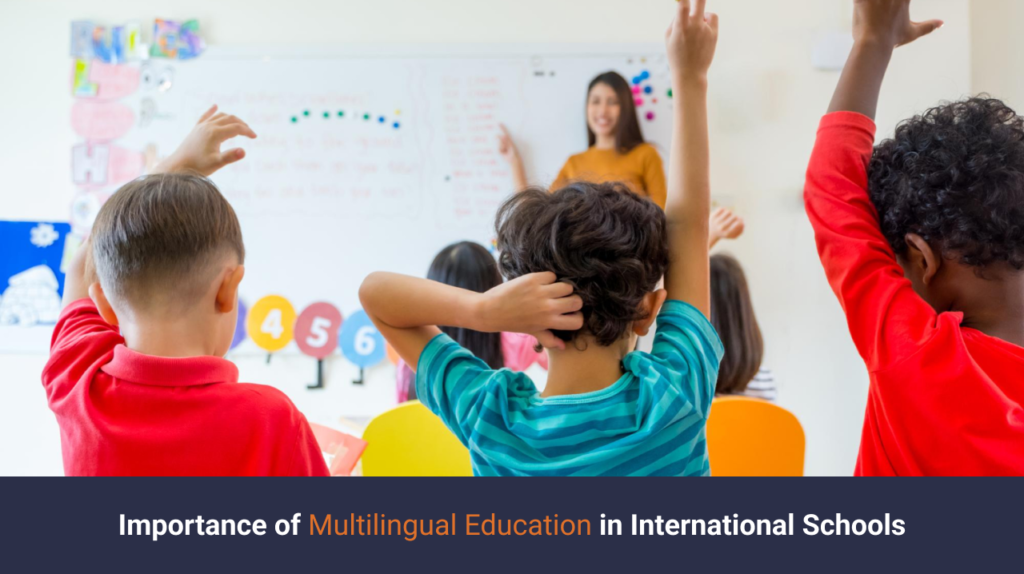
Teachers lecturing students and leaving after the bell rings is an obsolete model now. The modern classroom thrives on interaction. Instead of lecturing, teachers now need to use different ways to ensure students stay engaged in the classroom. Here are some effective strategies that can make learning more interactive.
- Pair up students and ask them to ponder a question individually and with their partner. After that, ask them to share their combined thoughts with the class.
- Engage students in group projects and debates. Such activities foster teamwork and communication skills, in addition to making learning a shared, social experience.
- Ask open-ended questions in class and guide students to discover answers for themselves. This enables deeper understanding and critical thinking.
How Does Personalised Learning Improve Engagement?
Learning is not one-size-fits-all. Each student has unique needs, and catering to them can improve their engagement in class significantly. Personalised learning acknowledges the diversity among students and makes education a pleasant experience. Here, personalised does not mean creating different study plans for students; rather, it means offering flexibility and choices.
For example, teachers can offer students a choice in their research topics. This enables students to gain a sense of ownership and engage with topics in a better way. Teachers can also use technology to help students learn at their own pace and improve student engagement in the classroom.
Extracurricular and Co-curricular Integration
Learning can go beyond the classroom and can be integrated with extracurricular and co-curricular activities to improve student engagement. This also helps students gain better context and makes learning more relevant. Some effective strategies for this include organising field trips, making connections between lessons and real life, etc. For example, organising a trip to a monument to understand its history better or explaining physics concepts by applying them to a sport.
In many regions, co-curricular and experiential learning is becoming the norm — for example, over 90 % of schools in Maharashtra now offer cultural, sports, and creative learning activities that complement traditional academics
Top CBSE school in Pune, like MIT Gurukul, understands that co-curricular activities are an essential component of school life that help build essential soft skills in addition to making learning more fun and engaging.
Strong Student-Teacher Collaboration
The relationship between a student and a teacher is the most important aspect of learning. Cultivating it is also one of the best ways of improving student engagement. Teachers must offer honest and constructive feedback to students and build trust with them.
When students feel safe enough to voice their opinions in front of the teacher, it is a sign that the teacher has become a mentor to them and not just an authority figure.
Technology-Enhanced Learning
Integrating technology into the classroom is one of the most effective strategies for improving student engagement. Teachers can use technology to improve efficiency and create better learning experiences.
Interactive whiteboards and tablets make lessons more fun and fluid. Another method is gamification, known for improving student engagement by 34.75%. It uses elements such as points, badges, and leaderboards to encourage healthy competition among students and make learning more fun and engaging.
Conclusion
Improving student engagement is not an easy task. It is a continued effort that needs regular revisions. Schools must create an environment where students feel free to indulge in their curiosities. For parents seeking an educational environment that prioritises students’ engagement, MIT Gurukul, a top CBSE school in Pune, is perfect! We integrate effective strategies that ensure students develop a genuine love for learning that will empower them for the rest of their lives. If you want to know more about our teaching methods, get in touch with us right now!