


Children are increasingly exposed to the online world. With the rise of smartphones, tablets, and computers, kids are navigating the internet at younger ages than ever before. This growing online presence brings with it a range of opportunities for learning and socialisation, but it also poses significant risks. Understanding online safety for kids is crucial for parents who want to protect their children while allowing them to explore this digital landscape.
The Risks of the Digital World for Kids
The kids may encounter cyberbullying, inappropriate content, and even online predators. According to a report by Kaspersky, children often interact with strangers in online games and chat rooms, making them vulnerable to scams and harmful interactions.
Understanding Digital Safety
Digital safety involves teaching children how to navigate the internet responsibly and securely. This includes understanding the importance of privacy, recognising suspicious behaviour, and knowing how to report any uncomfortable situations. Parents can assist their children in forming a positive relationship with technology by establishing these principles at a young age.
Setting Up Parental Controls
One of the first steps in ensuring how to protect children online is by setting up parental controls on devices. Many operating systems and internet service providers offer built-in tools that allow you to restrict access to inappropriate content and monitor your child’s online activities. Additionally, consider using apps specifically designed for parental control that can provide real-time monitoring and alerts for suspicious behaviour.
Establishing Rules for Safe Online Behavior
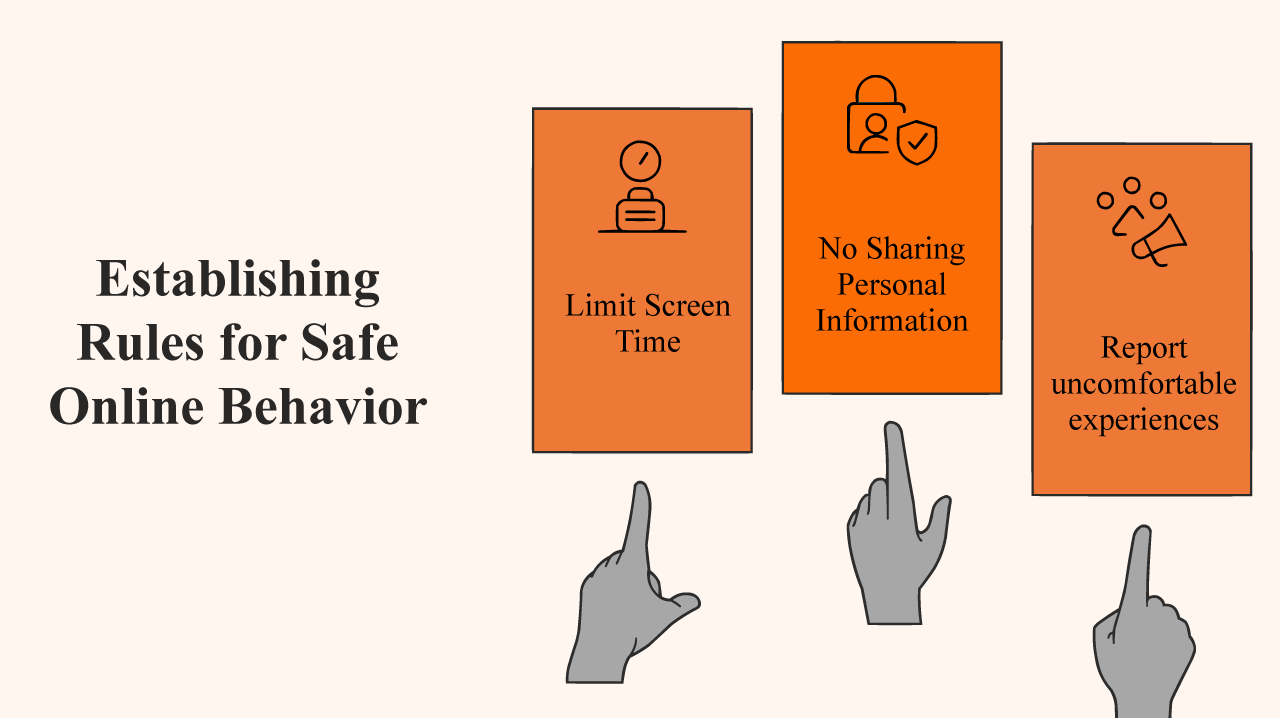
Creating clear rules about online behaviour is essential. Discuss with your child what is acceptable and what isn’t when using the internet. For example:
1. Limit Screen Time: Set boundaries on how long they can spend online each day.
2. No Sharing Personal Information: Teach them not to share personal details like their name, address, or school.
3. Report uncomfortable experiences: Encourage them to come to you if they encounter anything that makes them feel uneasy.
Promoting Open Communication with Your Child
Encouraging open dialogue about online experiences is vital. Make it clear that your child can talk to you about anything they see or do online without fear of punishment. This communication fosters trust and ensures that they feel comfortable sharing their concerns or experiences with you.
Educating Children About Privacy and Security
Teach your child about the importance of privacy and security online. Explain how personal information can be misused if it falls into the wrong hands. Discuss the significance of strong passwords and how they should never share these passwords with anyone except you.
Cyberbullying and How to Handle It
Cyberbullying is a common problem in the modern digital world. Children need to be taught by their parents how to spot the warning signs of cyberbullying and what to do if they become victims or witnesses. Urge kids to document bullying situations with screenshots and notify a responsible adult or authority figure right away.
The Role of Schools in Digital Safety
Schools play a significant role in promoting digital safety. Many educational institutions are beginning to incorporate digital literacy into their curricula, teaching students about responsible internet use. Parents should collaborate with schools by participating in workshops or discussions about online safety initiatives that can benefit both students and families.
Conclusion
In conclusion, protecting your child in the online world requires vigilance, education, and open communication. As technology continues to evolve, staying informed and proactive will help ensure that your child navigates the internet safely while enjoying all its benefits. Working together—parents, schools, and communities—can foster a culture of digital safety that empowers our children in this interconnected world.